
Business and Economy
3rd African Weaving Festival Opens in Abuja as Experts Emphasize Tapping the Sector for Economic Growth

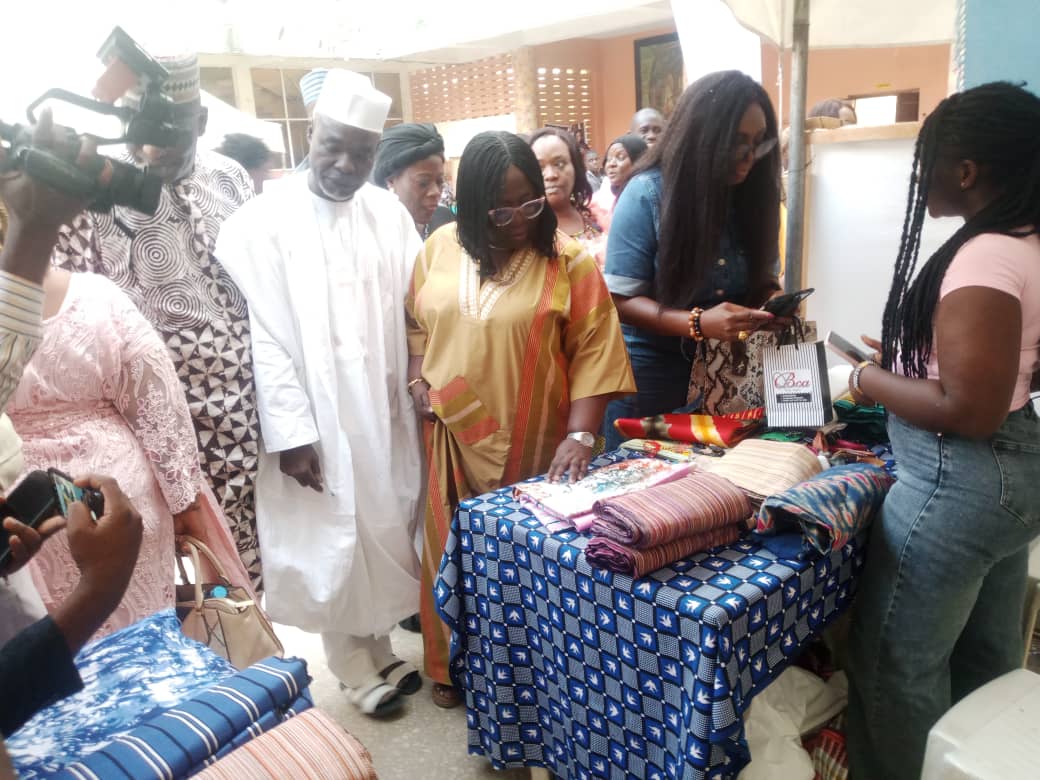
Stakeholders in the arts and crafts industry from Botswana, Burkina Faso, and Ghana have gathered in Abuja for the third edition of the African Weaving Festival (AWeF 2025).
The three-day event, themed “African Indigenous Fabrics: A Tool for Culture Diplomacy and Unity,” is taking place at the Cyprian Ekwensi Cultural Centre, Area 10, Garki, Abuja.
Declaring the festival open, the Permanent Secretary of the Social Development Secretariat, Mrs. Olubunmi Olowookere, commended the organisers for spotlighting the unique arts and crafts weaving sector as a means of promoting African culture and empowering artisans, especially women who dominate the industry.
Mrs. Olowookere, who also chaired the occasion, called for strengthened public-private sector collaboration to advance African weaving fabrics and enhance the continent’s economy.
In his keynote address, the National Secretary of the Nigeria-China Business Council, Alhaji Ali Adamu, urged weavers to remain consistent in their branding strategies and adopt creative approaches to attract wider patronage.
He further advised them to take advantage of government interventions in their respective countries to boost productivity.
Delivering her goodwill message, the High Commissioner of Botswana to Nigeria, Mrs. Phildan Nani Kereng, expressed optimism that the annual festival would promote unity, peace, and cultural cohesion, while empowering rural women economically and contributing to the continent’s GDP.
She emphasised the need for increased investment in the weaving sector to promote indigenous fabrics and stimulate Africa’s economic development.
Earlier, the Executive Director of Strategic and Mobilization, FCT Department of Culture and African Weaving Festival, Mr. Sam Agbi, explained that the annual festival aims to celebrate Africa’s rich textile heritage and highlight the role of indigenous fabrics in promoting cultural identity, creativity, and continental unity.
Mr. Agbi noted that beyond its cultural value, AWeF contributes to tourism development by attracting visitors, exhibitors, and cultural enthusiasts from across Africa and the diaspora. According to him, it also provides a vibrant platform to showcase Nigeria’s cultural tourism potential, foster heritage preservation, promote craft-based entrepreneurship, and encourage cross-border cultural exchange.
He added that the active participation of stakeholders would further elevate Nigerian arts, culture, and tourism as essential tools for national development and international cooperation.
The event, attended by major players and stakeholders in the African arts, crafts, and tourism sectors, featured a fashion runway and a tour of exhibition stands by the weavers.