
Business and Economy
Degrees Alone Not Enough Without Skills Acquisition — Ibrahim Trains 200 Youths, Women in Nasarawa

By David Odama
The Nasarawa State Vocational Skills Acquisition Training Coordinator, Mohammed Ibrahim Samille, has urged Nigerians—especially youths, women, and vulnerable persons—to complement their academic qualifications with practical skills to enhance their employability and self-reliance.
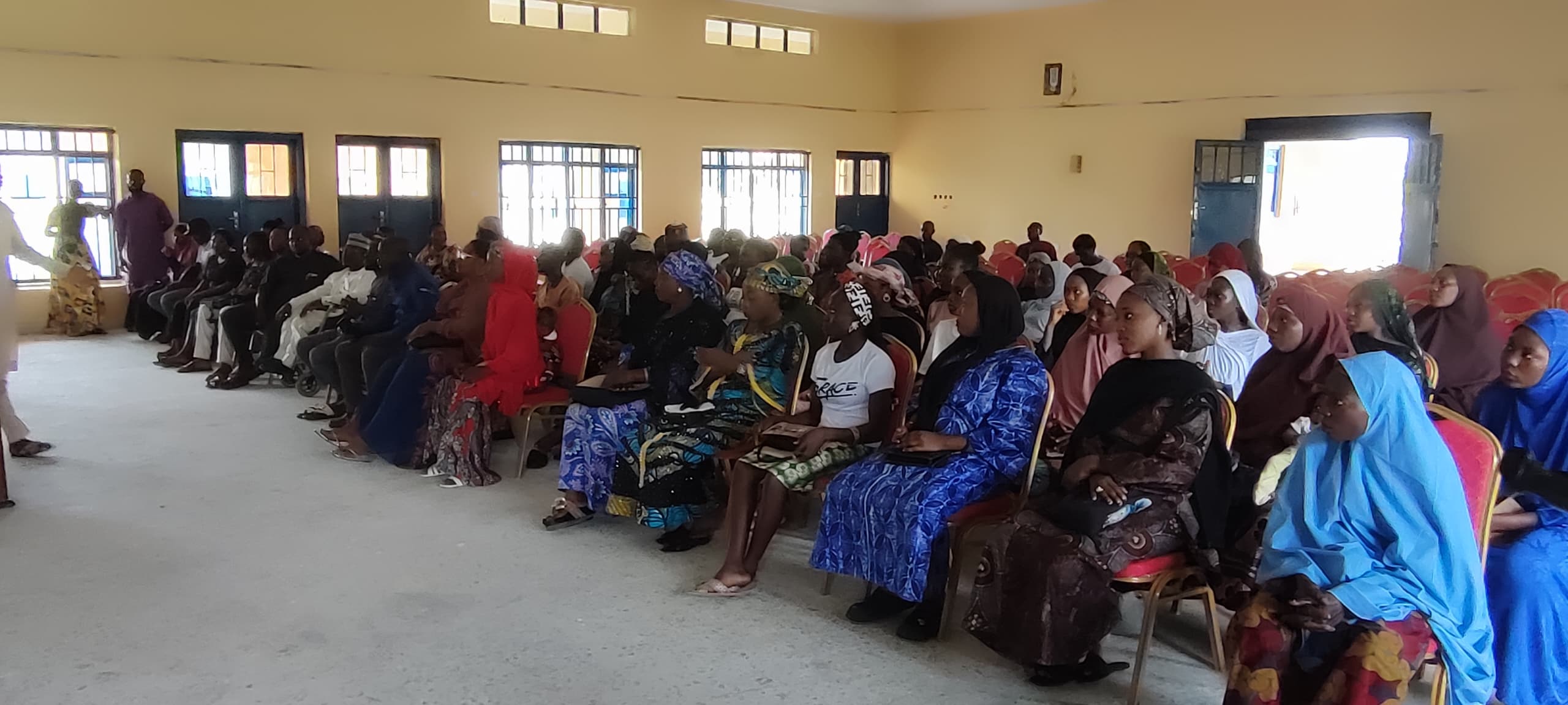
Speaking at the commencement of a training programme for 200 youths, women, and other vulnerable persons on Wednesday at the Wing Commander Abdullahi Ibrahim Vocational and Technology Institute, Lafia, Samille said the participants were carefully selected from the 13 local government areas of the state.
The training, jointly organized by the African Union Development Agency–New Partnership for Africa’s Development (AUDA-NEPAD) and the Nasarawa State Government, aims to empower participants with practical knowledge in various trades.
According to Samille, the six-week intensive training will cover areas such as Information and Communication Technology (ICT), baking and pastries, tailoring, aluminium fabrication, welding, domestic electrical installation, barbing, and hairdressing.
He explained that the collaboration with AUDA-NEPAD was designed to empower Africans with hands-on skills and other support systems that would improve livelihoods and foster self-employment.
“This programme is meant to make participants useful to themselves and the society at large. The training runs for six weeks, four days each week. Our goal is to equip beneficiaries to start their own businesses and become employers of labour,” Samille stated.
He urged the trainees to be punctual and dedicated throughout the exercise to qualify for certificates of participation.
Samille commended Governor Abdullahi Sule and the Executive Director of the Wing Commander Abdullahi Ibrahim Vocational and Technology Institute, Daniel Asele, for their continuous support towards youth empowerment and capacity development.
In his remarks, Daniel Asele said the initiative was designed to engage young people and vulnerable groups in productive ventures to reduce unemployment and curb crime.
“This programme will train 200 youths, women, and vulnerable persons in two phases. The first batch of 100 participants will be followed by another 100, and the training will continue until January next year,” Asele explained.
He added that at the end of the training, beneficiaries would receive starter packs and seed funds to help them establish their own businesses.
“Once you begin, you are expected to apply the knowledge gained here and create job opportunities for others. It has a great multiplier effect,” he added.
It would be recalled that the beneficiaries are expected to receive both skills training and startup funds to establish their own ventures.