
General News
Nigeria@65: XpressRide Applauds Tinubu’s Leadership, Says Ongoing Reforms Building Foundation for Nation’s Future

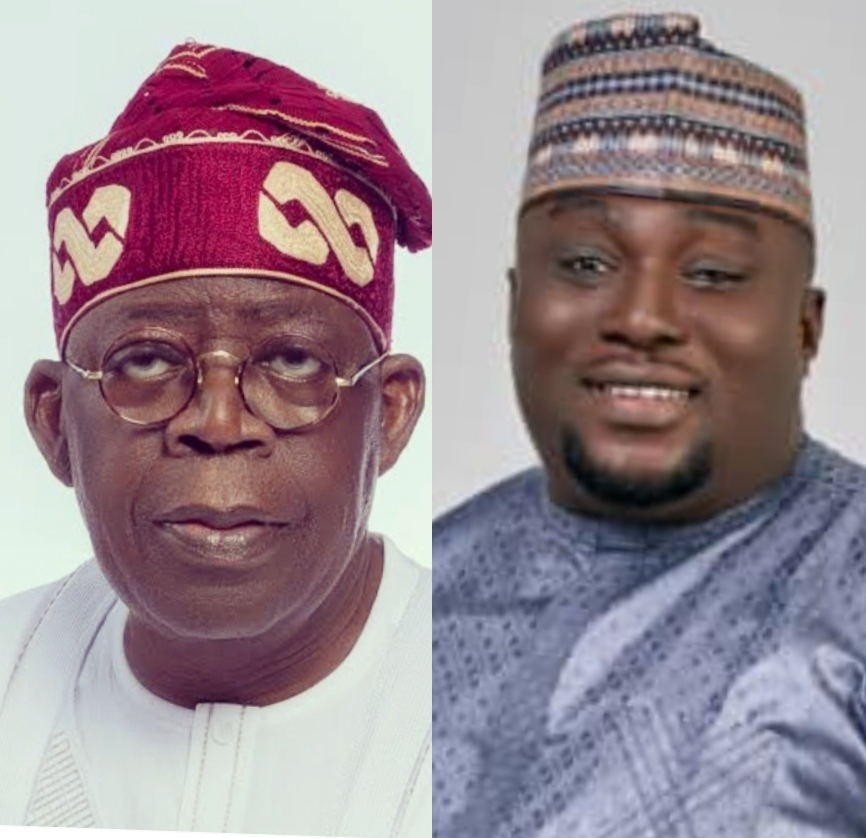
As Nigeria celebrates its 65th Independence Anniversary on October 1, global ride-hailing company, XpressRide, has commended President Bola Ahmed Tinubu for his bold leadership and reforms, particularly within the transport and mobility sector.
In a statement issued on Tuesday, the organisation’s Executive Director, Ismaila Yusuf Atus, said the transport industry has started witnessing positive developments under the Tinubu administration.
He pointed to the expansion of rail infrastructure and rehabilitation of federal highways, alongside renewed policies encouraging private sector participation in logistics and mobility services.

“At no point in recent years have we experienced such deliberate efforts to modernise Nigeria’s transport system. The revival of critical rail corridors, new investments in interstate road networks, and policies that promote tech-driven mobility solutions like ride-hailing are transforming the movement of people and goods across the country,” Atus said.
He explained that better transport networks are already stimulating economic activity, bridging rural and urban communities, cutting travel times, and attracting new investment into logistics and passenger mobility.
“At the core of every thriving economy is a reliable transport system. President Tinubu recognises this and is positioning transportation as the backbone of national growth,” he added.
Atus also noted that Tinubu’s leadership has rekindled public trust in the anti-corruption fight while putting Nigeria on a new course of security, economic recovery, agricultural growth, and social advancement.
He stressed that the administration’s policies are yielding results across several sectors, restoring confidence in governance, and strengthening democratic institutions.
“President Tinubu’s leadership is not limited to fighting corruption. We are seeing deliberate, structured reforms across sectors — from national and food security to healthcare, education, and job creation. This is the comprehensive governance Nigeria has long needed,” Atus remarked.
He praised the government’s strengthened national security efforts, citing increased funding for the armed forces, improved intelligence coordination, and regional cooperation to tackle terrorism, banditry, and related threats.
According to him, for the first time in more than a decade, communities in the North-East, North-West, and North-Central are beginning to experience sustainable peace, with farmers returning to farmlands, schools reopening, and displaced persons rebuilding their lives.
On agriculture, Atus commended initiatives such as the National Agricultural Development Fund, fertiliser subsidies, and the Presidential Food Security Emergency Plan, which he said are helping to stabilise food prices and expand domestic production.
“These measures are laying the foundation for food security and self-sufficiency. Supporting both smallholder farmers and commercial agriculture will transform rural economies and create millions of jobs,” he stated.
He also highlighted reforms in the health sector, including increased funding, construction and renovation of primary healthcare centres, and expanded immunisation programmes, which he said are improving access and outcomes for women and children in underserved areas.
Atus further commended social interventions such as the student loan scheme, youth empowerment programmes, and the credit guarantee system for small businesses, describing them as vital tools against poverty and inequality.
“These programmes are not just economic measures; they are empowering Nigerians to live with dignity. They tackle the root causes of corruption and insecurity — unemployment, lack of opportunity, and exclusion,” he said.
Calling for collective support for the administration’s reform agenda, Atus urged Nigerians to remain united in pursuit of a better nation.
“No government can transform a country alone. Transformation requires collective effort — from civil society to traditional leaders, from the media to ordinary citizens. Together, we can build the Nigeria of our dreams,” he concluded.