
Business and Economy
Sugar-Sweetened Beverages: Stakeholders Split Over Proposed Higher Excise Duty

By Iyojo Ameh
A sharp disagreement broke out on Thursday among key players in the Finance and Health sectors over the Senate’s move to raise excise duty on carbonated sugar-sweetened beverages (SSBs) through an amendment to the existing law.
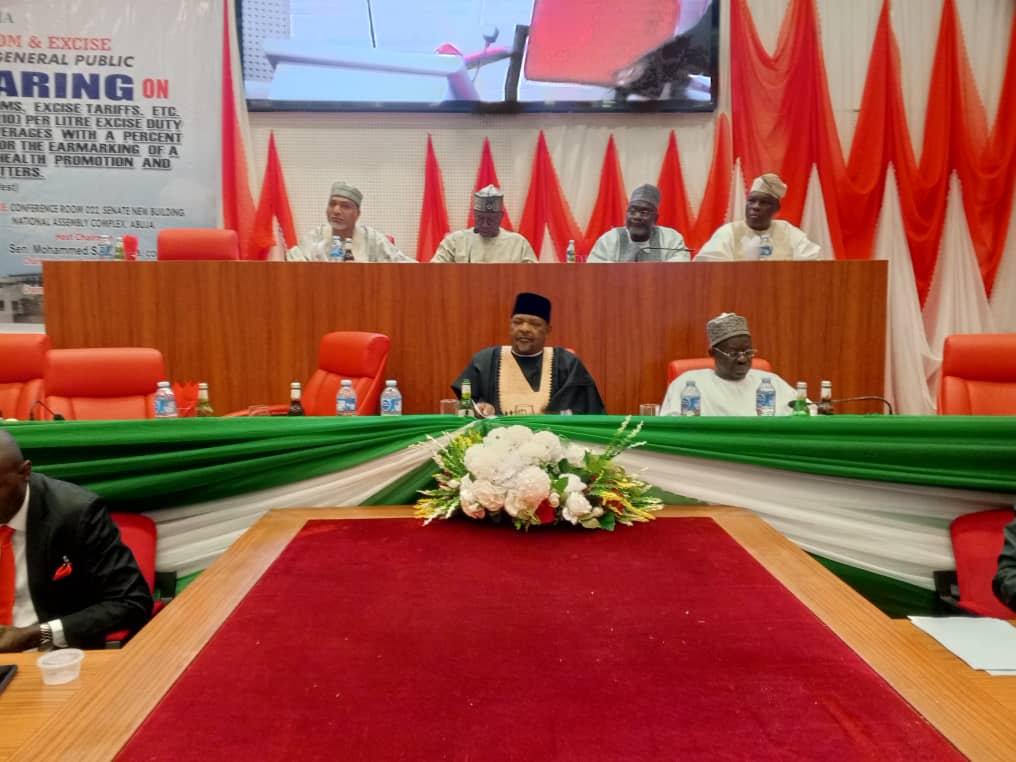
The Senate Committees on Finance and Customs, while further considering a bill seeking a percentage levy of excise duty per litre of SSBs to discourage high sugar consumption among Nigerians, held a public hearing on the proposal.
However, during the hearing chaired by Senator Sani Musa (Niger East), Chairman of the Senate Committee on Finance, stakeholders were divided—some supported the proposed legislation, while others strongly opposed it.
The Coordinating Minister of Health and Social Welfare, Professor Muhammad Ali Pate, stated in his submission that the ministry fully backed the proposed bill, describing it as a progressive and evidence-based approach to public health financing.
“We commend the Senate for proposing a bill that seeks to increase the excise tax on sugar-sweetened beverages (SSBs) and earmark part of the revenue for health promotion. This measure demonstrates strong political will, aligns fiscal policy with public health goals, and provides sustainable financing for prevention programmes—critical steps toward achieving universal health coverage,” he said.

He further recommended raising the current SSB excise tax from ₦10 per litre to at least 20% of the retail price, in accordance with World Health Organization guidelines, and allocating at least 40% of the revenue generated to public health programmes targeting the prevention and control of diet-related non-communicable diseases.
Professor Pate warned that failure to act now would result in a significantly higher burden of diabetes, hypertension, and related complications in the next 10 to 20 years, stressing that prevention is far more cost-effective than treatment.
Representatives of other stakeholders, including the Nigeria Cancer Society and the Diabetes Association of Nigeria, supported the proposed legislation, but groups such as the Manufacturers Association of Nigeria (MAN), the Ministry of Finance, and the Nigeria Employers Consultative Association (NECA) opposed the plan.
MAN, represented by one of its directors, Mr. Adeyemi Folorunsho, argued that the proposed law could lead to job losses in the manufacturing sector and urged caution. He also refuted claims that consumption of SSBs causes diabetes, obesity, and related diseases in Nigerians.
According to him, “Contrary to erroneous belief, Nigeria has the lowest rate of sugar consumption in the world, at 8.3 million kilogrammes, compared to 22.1 million kilogrammes which it is supposed to be.”
He advised the committee to adopt a win-win approach as it works on the legislation.
In his closing remarks, the Committee Chairman assured all stakeholders that the final legislation presented to Nigerians would be fair, transparent, and people-oriented.