
News
Accountability Without Borders: Understanding the Global Magnitsky Act and Its Worldwide Implications

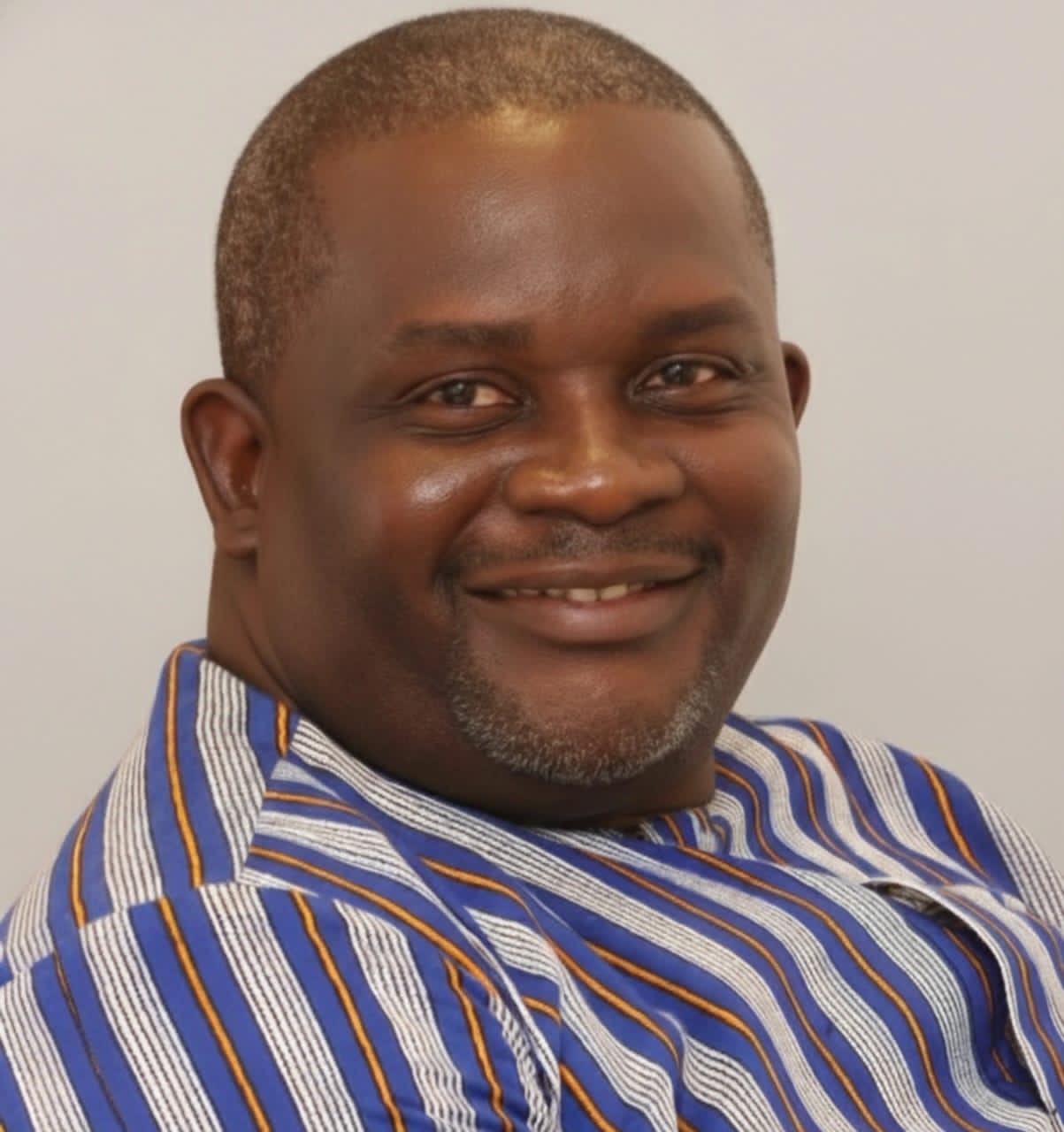
By Sam Agogo
The Global Magnitsky Human Rights Accountability Act, enacted in 2016, is widely regarded as one of the most significant innovations in modern U.S. foreign policy. It was designed to address a persistent problem in international relations: how to hold individuals personally accountable for corruption and human rights abuses without punishing entire populations through broad sanctions. Traditional sanctions often destabilized economies and harmed ordinary citizens, while the perpetrators of abuses continued to enjoy impunity. The Global Magnitsky Act changed that equation by focusing directly on individuals and entities, cutting them off from the U.S. financial system and denying them access to American soil.
The origins of the Act lie in the tragic story of Sergei Magnitsky, a Russian lawyer and auditor who uncovered a $230 million tax fraud scheme involving government officials and businessmen. In 2008, Magnitsky exposed the fraud, but instead of being protected, he was arrested and detained. He died in prison in November 2009 after being denied medical care and allegedly beaten. His death became a symbol of the dangers faced by whistleblowers and the impunity enjoyed by corrupt elites. In response, the United States passed the Magnitsky Act of 2012, which targeted Russian officials linked to Magnitsky’s death. This law froze their assets and barred them from entering the U.S., establishing a precedent for individual accountability in international law.
The success of the Russian-focused legislation led to the passage of the Global Magnitsky Act in 2016, which extended the same principles worldwide. The Act empowers the U.S. President, working through the Departments of State and Treasury, to impose sanctions on individuals and entities implicated in gross human rights violations or significant corruption. Its provisions are comprehensive: assets within U.S. jurisdiction are frozen, financial transactions are blocked, visas are revoked, and entities owned fifty percent or more by designated persons are also sanctioned. In 2022, the Act was permanently reauthorized, underscoring its central role in U.S. foreign policy.
The law has already been applied to a wide range of individuals across continents. Officials in Uzbekistan, including Yulduz Khudaiberganova and Anvar Kuryazov, were sanctioned for human rights abuses. In Brazil, Justice Alexandre de Moraes was sanctioned in 2025 for alleged violations. Military leaders in Myanmar faced sanctions for atrocities against the Rohingya population. Officials in South Sudan were designated for corruption and violence during the civil war. Chinese officials linked to abuses against Uyghurs in Xinjiang were also targeted. These cases demonstrate the breadth of the Act’s application, from judges to generals, and highlight its effectiveness in sending a clear message that impunity is no longer guaranteed.
Nigeria, Africa’s largest democracy, has long faced scrutiny over corruption and human rights concerns. Following the recent U.S. airstrike on Nigerian soil, questions have arisen about whether Nigerian individuals could face Global Magnitsky sanctions. The answer depends on credible evidence and policy decisions. The Office of Foreign Assets Control requires documented proof of abuses or corruption, and sanctions must align with U.S. foreign policy objectives. If investigations reveal that sponsors, sympathizers, or officials were complicit in abuses or corruption tied to the incident, they could face asset freezes, visa bans, and property seizures. As of now, no Nigerians have been publicly designated under the Act, but the precedent is clear: if evidence emerges, sanctions can be applied.

The implications for Nigeria are significant. Sanctions could strain U.S.–Nigeria relations, cut off individuals with U.S. assets or banking ties, and serve as a deterrent against abuses and corruption. For business leaders, politicians, and military officials, the risk is real: properties in the U.S. could be seized, visas revoked, and financial transactions blocked. For ordinary Nigerians, the Act could indirectly affect the political climate by discouraging corruption and abuses, potentially strengthening democratic accountability. It also signals that international justice mechanisms are watching, and that impunity is no longer guaranteed even for powerful figures.
The Global Magnitsky Act represents a paradigm shift in accountability. By targeting individuals rather than states, it avoids punishing entire populations while holding perpetrators directly responsible. It also empowers civil society, as NGOs and journalists play a crucial role in providing evidence. For Nigeria, the message is clear: human rights abuses and corruption will not go unnoticed. Whether or not sanctions are imposed, the possibility itself serves as a warning to those who might otherwise act with impunity.
Ultimately, the Global Magnitsky Act is more than a law; it is a statement of principle. It declares that human rights and integrity are universal values, and those who violate them will face consequences. While Nigeria has not yet seen designations under this law, the precedent is global and undeniable. For readers, the takeaway is simple: the world is watching, and accountability is no longer optional.
For comments, reflections, and further conversation, please contact:
Email: samuelagogo4one@yahoo.com
Phone: +2348055847364