
Judiciary
NAFDAC Warns Nigerians Over UK Lawsuits Involving Johnson & Johnson

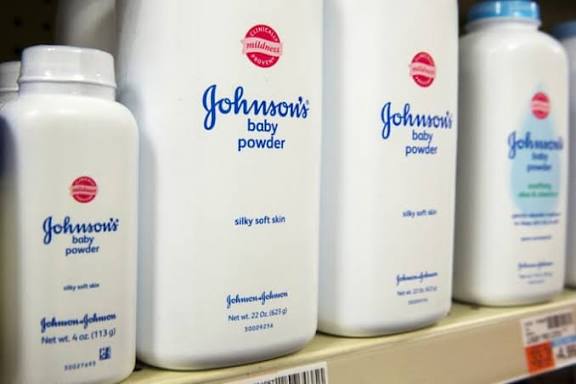
The National Agency for Food and Drug Administration and Control (NAFDAC) has drawn public attention to ongoing legal proceedings in the United Kingdom concerning Johnson & Johnson’s talc-based baby powder and alleged cancer risks associated with asbestos contamination.
In Public Alert No. 043/2025, the agency revealed that over 3,000 claimants in the UK have instituted lawsuits, claiming that prolonged use of Johnson & Johnson’s baby powder exposed them to asbestos, a substance widely recognised as carcinogenic.
According to the claimants, exposure to the product has been linked to serious health conditions, including ovarian cancer, lung cancer and mesothelioma.
NAFDAC explained that talc is a naturally occurring mineral that is often found in close proximity to asbestos deposits, making rigorous quality control and testing necessary to ensure cosmetic products are free from asbestos contamination.
The agency noted that the World Health Organisation (WHO) classifies asbestos as a Group 1 human carcinogen and that its use is either prohibited or strictly regulated in many countries worldwide.
It further stated that Johnson & Johnson baby powder is commonly used across the globe, including Nigeria, particularly by women and infants for hygiene and cosmetic purposes.
NAFDAC added that exposure to asbestos-contaminated talcum powder has been associated with cancers affecting the lungs, larynx and ovaries, as well as mesothelioma.
However, the agency clarified that there is currently no conclusive regulatory finding establishing a direct causal link between asbestos contamination in talc-based cosmetic products and cancer in consumers.
The agency stressed that the legal cases in the UK remain allegations that are subject to judicial determination.
NAFDAC also reiterated that talc is permitted for use in cosmetic products provided it complies with approved safety and purity standards, noting that the agency continues to monitor scientific research and global developments related to talc safety.
Consumers were advised to use cosmetic products strictly in accordance with label instructions and to seek medical attention if they experience health concerns that may be linked to product use.
NAFDAC reaffirmed its commitment to safeguarding public health and stated that it will continue post-market surveillance to ensure the safety and quality of regulated products in Nigeria.
The public was encouraged to report any adverse reactions or safety concerns related to talc-based products to the nearest NAFDAC office, through the agency’s e-reporting platforms on its website, via the Med Safety App, or by email at pharmacovigilance@nafdac.gov.ng.