
Business and Economy
FG Moves to Boost Sustainable Industry with National Cleaner Production Centre

By our Correspondent
The Federal Government has announced plans to establish a National Cleaner Production Centre that will serve as a long-term hub for innovation and technical advisory services to industries.
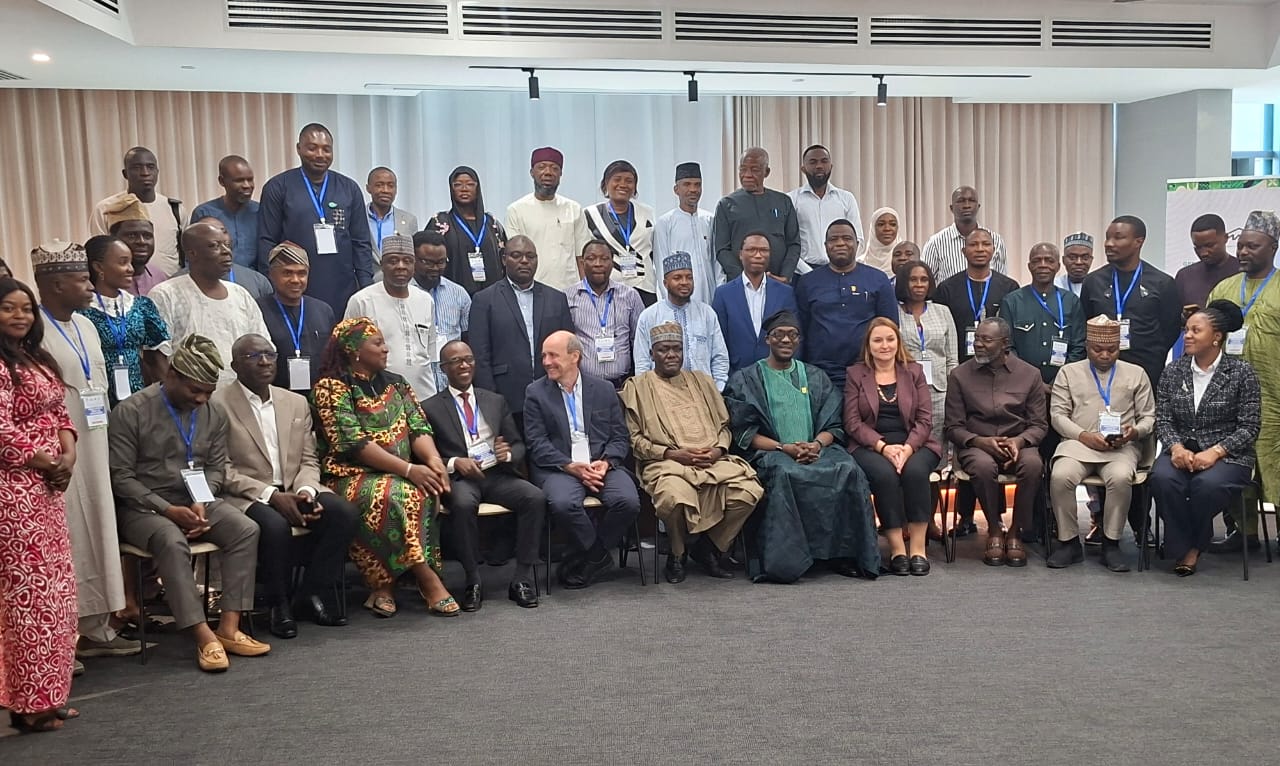
Minister of Environment, Mallam Balarabe Lawal, disclosed this at the closing ceremony of the GEF-UNIDO Industrial Energy Efficiency Cleaner Production Project in Abuja.
Represented by the Director of Planning, Research and Statistics, Mr Bukar Babagana, the minister noted that the present administration is actively promoting and expanding the adoption of cleaner production practices across the 36 states, particularly among Small and Medium Scale Enterprises.
He further stated that, for the first time, the Federal Government has developed a national database of industrial waste hotspots and energy-intensive enterprises, which now serves as a critical tool for policy planning and investment decisions.
The minister commended the project for strengthening human capacity, revealing that over 200 professionals—including regulators, policymakers, and industry experts—were trained in energy efficiency and cleaner production techniques.
According to him, beyond capacity building, the initiative has also integrated Resource Efficient Cleaner Production into university curricula, ensuring that future engineers and industrial designers incorporate sustainability into their work from the outset.
National Project Coordinator, Dr Jacob Oladipo, said the project recorded measurable outcomes among participating industries, including cleaner production assessments, technical training, and international certifications.
“As the National Project Coordinator, I am proud to note that these achievements reflect strong collaboration among all stakeholders and align with the vision of UNIDO at the inception of this project,” he said.
UNIDO Programme Manager, Karin Reiss-Haimbala, explained that the project demonstrated a strong demand among Nigerian industries for energy efficiency and sustainable production solutions.
“It is clear that industries value these services. We are very happy that we worked with MAN, the Energy Commission of Nigeria, the Federal Ministry of Environment, the Bank of Industry, and the Standards Organisation of Nigeria.
“It really shows how strongly embedded this project is in national structures. It is very critical that we take this to scale, build on the momentum, and expand these services for Nigerian industries,” she said.
Also speaking, the Director General of the Manufacturers Association of Nigeria (MAN), Segun Ajayi-Kadir, said the programme has helped address one of the sector’s most pressing challenges—high energy costs.
He noted that energy accounts for between 30 and 40 percent of manufacturing costs, making efficiency improvements essential for competitiveness.
“This programme has enabled manufacturers to optimise energy use, improve processes, and remain environmentally compliant. It is now becoming embedded in how we produce,” he said.