Housing Devpt
“Real Estate Rewards Patience, Not Speed” – Mayor of Housing Unveils Blueprint to Solve Nigeria’s Housing Crisis

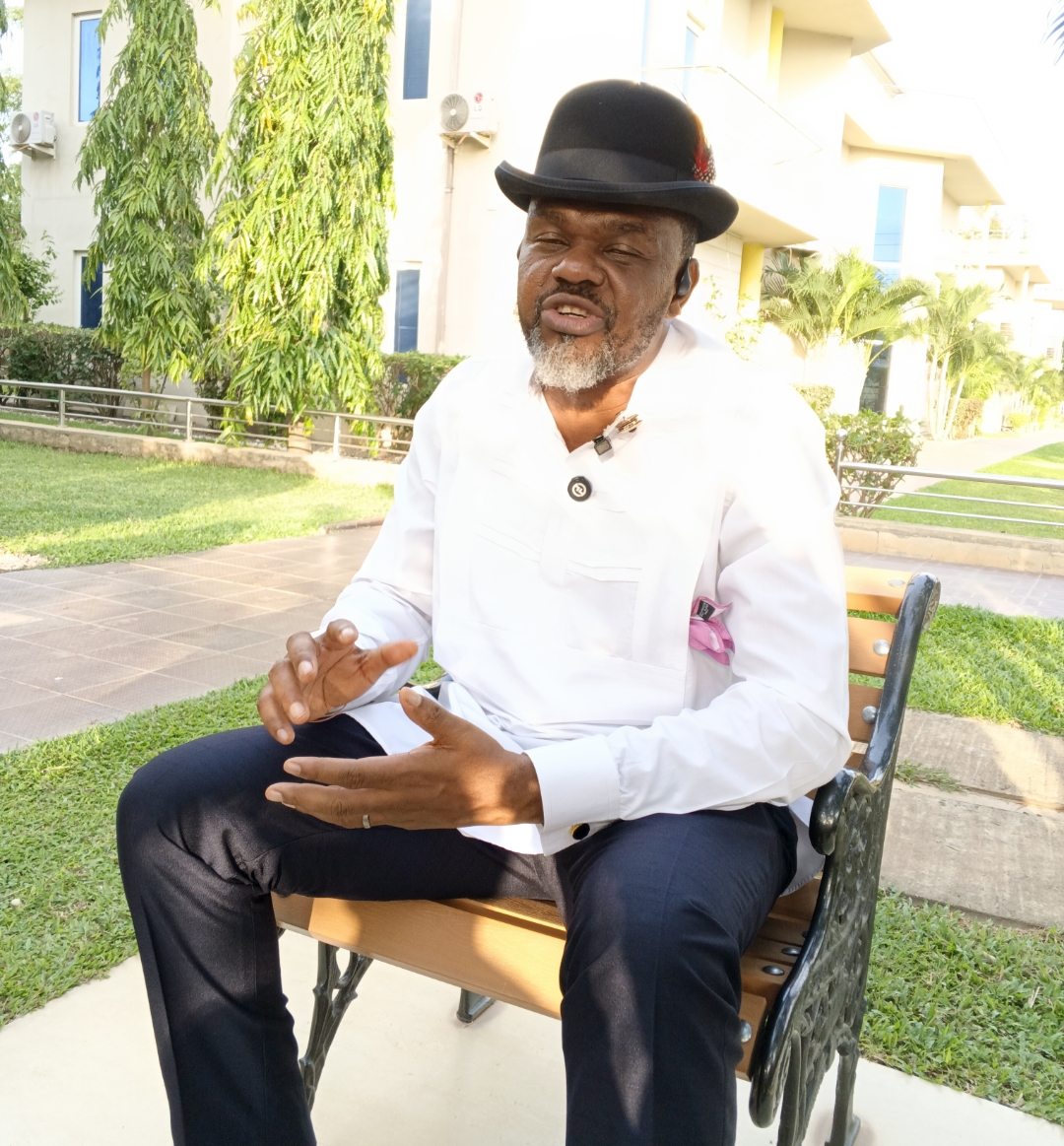
A leading Nigerian real estate developer and housing strategist, MY ACE China, has said that real estate remains “the only industry that rewards patience,” as he unveiled an ambitious vision to tackle Nigeria’s deepening housing crisis through innovation, indigenous materials, cooperative financing and functional public private partnerships.






Speaking in an exclusive interview, the developer popularly known as the “Mayor of Housing” argued that Nigeria’s housing deficit cannot be solved through politics driven interventions, but through deliberate long term planning, trust based systems and locally driven industrial reforms.
According to him, the housing sector requires patience, precision and strategic thinking rather than rushed developments.
“Real estate is the only place that rewards patience,” he said.
“If Rome was built in a day, it wouldn’t have lasted a year. Whatever must last takes time, deep thinking and precision.”
The housing entrepreneur, whose original family name “Chi na o ne na zo ke” translates in Igbo as “God fights for rights,” traced his personal philosophy to values of justice and generosity developed during his childhood.
He explained that these principles shaped both his leadership style and his approach to real estate development.
The developer said his rise in the industry was built on two major pillars marketing and innovation which he described as critical tools for sustainable business growth.
“I always balance my development and products with innovation you cannot find in the market,” he stated.
“If you can find it in the market, don’t buy from me.”
He noted that his company’s projects are structured around three development categories: luxury “Phantom Series” smart cities, middle class smart estates and low cost mini city developments targeted at affordable housing delivery.
According to him, one of the company’s major innovations is the introduction of hydrogen powered estates designed to provide electricity at costs cheaper than the national grid.
He added that trust remains one of the strongest currencies in Nigeria’s real estate sector.
“Most people sell land and property. I sell trust,” he declared.
“The more trust deficit there is in Nigeria, the more premium trust becomes.”
Speaking on Nigeria’s housing crisis, the developer blamed weak institutional frameworks, high construction costs and excessive dependence on imported building materials for worsening affordability challenges.
He criticised politically influenced Public Private Partnerships (PPP), insisting that only credible and experienced private developers with proven track records should be entrusted with large scale housing projects.
“The solution to housing in Nigeria is functional PPP, not political PPP,” he said.
“When partnerships are political, projects collapse with political transitions.”
The Mayor of Housing also linked the sharp rise in housing costs to the combined effects of naira devaluation and fuel subsidy removal, which he said significantly increased construction expenses.
According to him, Nigeria imports nearly 90 per cent of its building materials, making the sector highly vulnerable to exchange rate instability.
He proposed the creation of special industrial zones dedicated to local building material production, including tax free and low energy industrial parks that would encourage manufacturers to establish factories within Nigeria.
“We have the best sand for glass and ceramics, but industries are collapsing because of energy costs,” he noted.
“If materials are produced locally, housing prices will naturally drop.”
The housing strategist further called for reforms in land administration, urging the government to use the Land Use Act to subsidise land acquisition for civil servants and low income earners.
He argued that land prices within Nigerian city centres have become unaffordable for average workers, thereby pushing home ownership beyond the reach of millions.
Beyond conventional construction methods, he advocated a return to indigenous building systems using clay bricks, bamboo and locally sourced materials.
According to him, African communities historically built sustainable housing systems before the adoption of expensive imported construction technologies.
“Who told us bamboo is not as strong as steel?” he queried.
He also stressed the importance of reviving cooperative economic models similar to those that drove Nigeria’s agricultural boom in the 1960s and 1970s.
Referencing the historic Cocoa House in Ibadan and the famous groundnut pyramids in Northern Nigeria, he argued that cooperative productivity once made Nigeria one of Africa’s strongest economies.
On mortgage financing, the real estate expert maintained that Nigeria’s weak institutional structures make Western style mortgage systems difficult to sustain.
Instead, he proposed a “thrift housing system” rooted in traditional savings cultures already familiar to Nigerians across ethnic groups.
“Nigeria was not built on mortgage culture. Nigeria was built on thrift culture,” he explained.
He said young Nigerians could begin contributing gradually toward home ownership from secondary school age through structured savings platforms tailored to informal sector realities.
According to him, this system would make housing more accessible to traders, artisans and low income earners often excluded from formal mortgage arrangements.
The developer disclosed that profits from his luxury smart city projects are currently being channelled into research and development aimed at creating affordable indigenous housing solutions for the wider population.
“We are probably one of the few real estate companies in Nigeria with a strong research and development department,” he said.
He added that his long term vision is to create a housing system where affordability, accessibility and sustainability work together to drastically reduce homelessness across Nigeria and Africa.