
General News
Fear Has No Place in Learning, Education Expert Tells Teachers

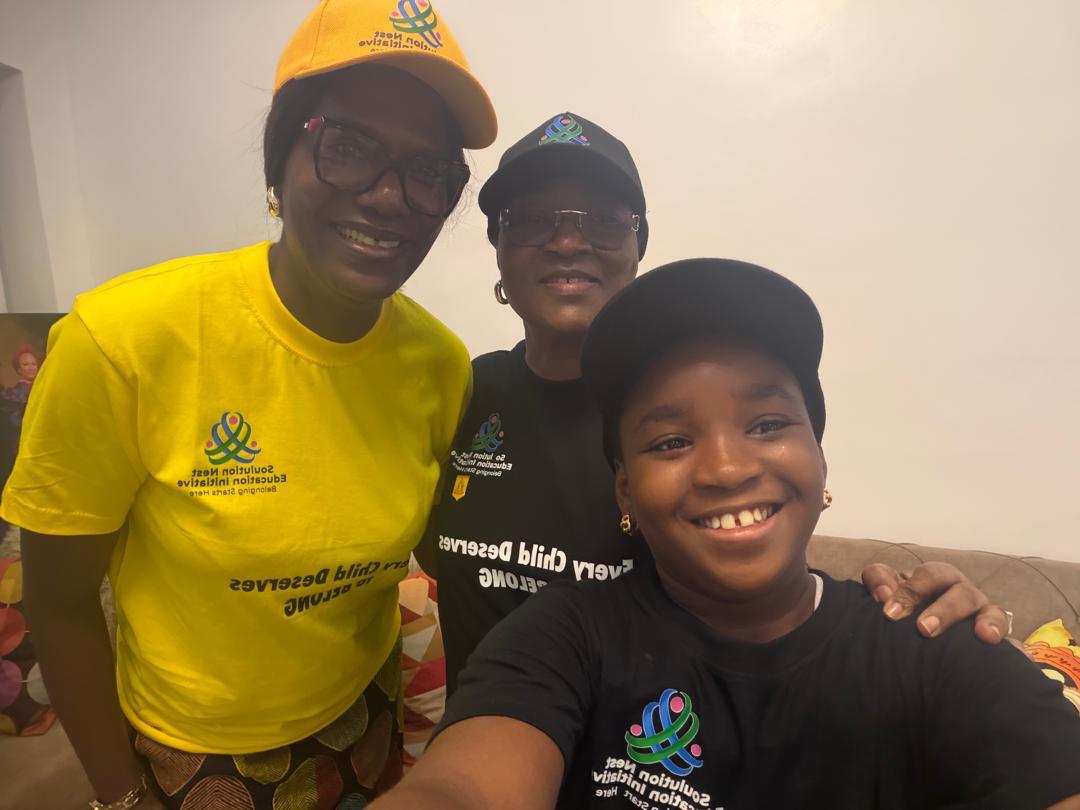
An Educationist Wael Al Awabdah has urged teachers to embrace compassion and understanding in the classroom, especially when working with children who have special needs, stressing that learning can only happen when children feel safe.
Awabdah made the call during a webinar themed Beyond the Cane and Command: The Modern Mystery for Neurodiverse Learning, organised by the Solution Nest Education Initiative.
He explained that neurodiverse learning recognises conditions such as autism, ADHD and dyslexia as natural differences in brain function rather than deficiencies. According to him, the approach encourages teaching methods that are adapted to suit learners with different cognitive abilities.
The Syrian-trained educational psychologist described fear-based teaching methods as outdated and ineffective, noting that they should no longer be encouraged in modern education.
“Fear blocks learning. If a child feels afraid, he or she is unlikely to learn anything because the prefrontal cortex, the part of the brain responsible for processing information, shuts down when the learner feels fear or anxiety,” he said.
Awabdah further explained that children with ADHD are not intentionally difficult, but simply process the world differently.
“A child with ADHD is not choosing to be different. Their brain is wired for novelty, urgency and interest, not for time and future consequences,” he stated.
He emphasised the importance of specialised training for teachers handling learners with unconventional learning abilities, adding that educators should break tasks into smaller activities with immediate rewards instead of relying on delayed incentives.
The educationist also challenged the belief that movement by some children with special needs amounts to misconduct, saying such behaviour is often a neurological response aimed at helping them regulate themselves before another task.
He encouraged teachers to create routines and predictable environments to reduce anxiety and improve concentration. He also advised against the use of sarcasm, idioms and unclear instructions that may confuse learners.
According to Awabdah, emotional outbursts among neurodiverse children should not be mistaken for tantrums but understood as signs of nervous system overload that require calm responses rather than punishment.
He also recommended sensory-friendly classroom adjustments, such as reducing loud noises and introducing short “brain breaks” to help students reset and refocus.
Founder of Solution Nest Initiative, Henrietta Ikediashi, shared the personal experience that inspired the organisation.
She recalled attending a class in Dubai where discussions about children with learning differences initially left her dismissive of such children, believing they only needed stricter discipline.
However, her perspective changed after an instructor calmly explained neurodiversity and the emotional struggles faced by children who are often misunderstood because they cannot fully express their experiences.
Henrietta said the conversation moved her deeply, making her reflect on countless children in Nigeria hidden away by families who care for them but lack the knowledge and support to help them thrive.
That experience led to the establishment of Soulution Nest Education Initiative, which was registered in Nigeria in December 2025. The organisation focuses on teacher training, parental support, safeguarding systems and creating opportunities for young people who have been neglected by the system.
She noted that the initiative is not simply about distributing aid but about building lasting structures and sustainable support systems.
One of the organisation’s trustees, Olufunke Amos, mni, was also recognised for her active role in advocating for children with special needs.
Funke recently served as lead panellist during Soulution Nest’s webinar, Beyond the Cane and Command: Modern Mastery for Neurodiverse Learners, which focused on replacing fear and punishment in schools with empathy and informed teaching practices.
According to the organisation, Funke shares the belief that every child deserves understanding and support rather than judgment.
Solution Nest, the group said, represents a commitment by its founders to ensure that no child is ignored or left behind.