
Health and Lifestyle
Benue Launches Men’s Network to Boost Maternal, HIV Care

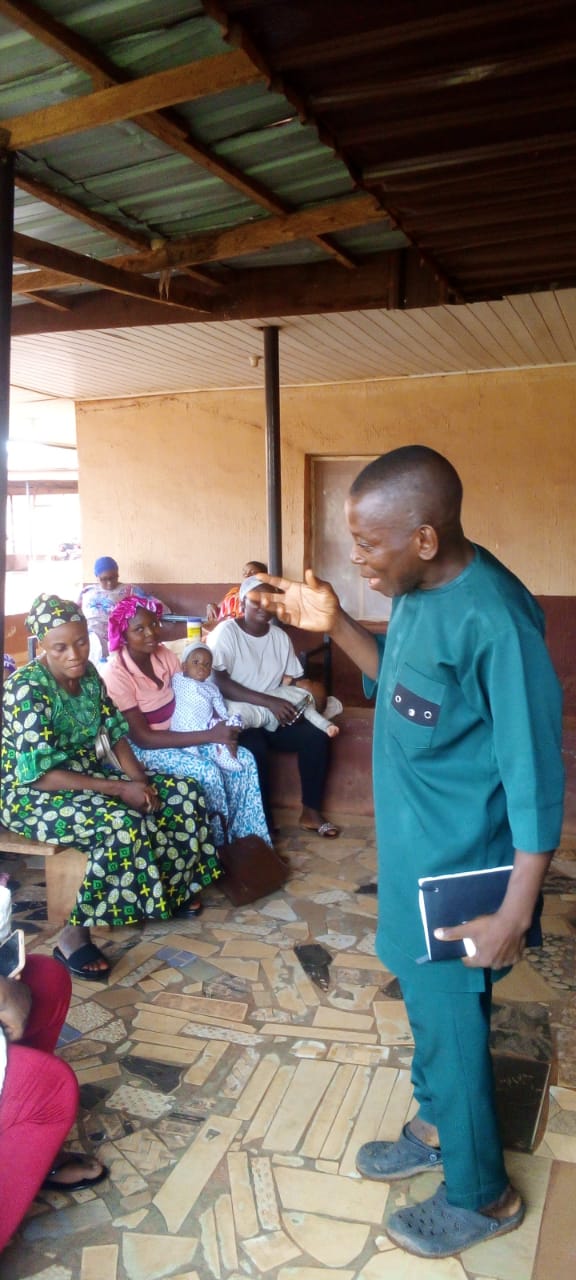
From Dooshima Terkura, Makurdi
A new advocacy platform designed to strengthen male participation in maternal healthcare and HIV response has been established in Benue State following a four-day social norms training organised by UN Women and its partners in Makurdi.
The platform, known as the Men’s Network for Integrated Health and Social Wellbeing, was unveiled after the training themed “Transforming Harmful Social Norms through Positive Male Engagement for Improved Maternal, Child Health and HIV Outcomes,” held from May 11 to 14, 2026.
Participants said the network would serve as a platform for sustained advocacy, peer learning, community mobilisation and collective action aimed at improving maternal and child health outcomes across Benue State and Nigeria.
The training was organised by UN Women in collaboration with the Federal Ministry of Health, the National AIDS, Sexually Transmitted Infections Control and Hepatitis Programme (NASCP), APIN Public Health Initiatives, NINERELA+, the Association of Women Living with HIV/AIDS in Nigeria, the Benue State AIDS Control Agency (BENSACA), and other stakeholders.
It brought together traditional rulers, religious leaders, healthcare workers, civil society organisations, media practitioners, government officials and development partners.
In a communiqué issued at the end of the meeting, participants observed that harmful social norms, stigma and gender stereotypes continue to discourage men from supporting women during pregnancy, childbirth, postnatal care and HIV treatment.
They noted that men who accompany their spouses to health facilities are often ridiculed or perceived as weak, while unfriendly attitudes from some healthcare workers also discourage access to and continued use of health services.
The stakeholders further expressed concern that many healthcare facilities in Benue are not structured to encourage male participation, while HIV-related stigma continues to affect testing, disclosure, treatment adherence and continuity of care.
They also identified poverty, gender-based violence and weak family support systems as factors that increase the vulnerability of women and girls.
Participants pledged to promote positive masculinity, empathy and shared family responsibility by encouraging men to actively participate in antenatal care, postnatal care, prevention of mother-to-child transmission services, HIV testing and treatment support.
They also committed to intensifying community sensitisation against harmful cultural practices, stigma, discrimination and violence through traditional, religious and media platforms.
The communiqué recommended rebranding maternity clinics as family clinics, introducing couple-friendly counselling and testing services, and creating more welcoming healthcare environments for men and women.
Participants also urged government to rehabilitate and equip healthcare facilities, recruit more skilled health workers and ensure gender-sensitive, stigma-free healthcare delivery.
The stakeholders commended UN Women, APIN, NASCP, BENSACA and other partners for organising the training and reaffirmed their commitment to transforming harmful social norms, strengthening HIV response systems and improving maternal and child health outcomes in Benue State and across Nigeria.
Speaking during a step-down training in Gboko, Ozoko Montfort from Otukpo Local Government Area said participants discovered several reasons for the low level of male engagement in maternal and child healthcare.
According to him, “Some of the men complained about the attitudes of health workers and the lack of flexible schedules for antenatal care (ANC) and postnatal care (PNC) visits. They also said certain social norms prevent them from caring for newborn babies so as not to offend the gods.”
Following the training, various groups have commenced step-down trainings, advocacy visits, staff training and retraining to deepen awareness and promote greater male involvement in maternal and child healthcare across the state.