Politics
2027: INEC Targets 100m Voters, Moves to Counter Disinformation Ahead of Polls

The Independent National Electoral Commission (INEC) has projected that Nigeria’s registered voter population will exceed 100 million ahead of the 2027 general elections, as the Commission steps up preparations for a massive nationwide voter education and communication campaign.
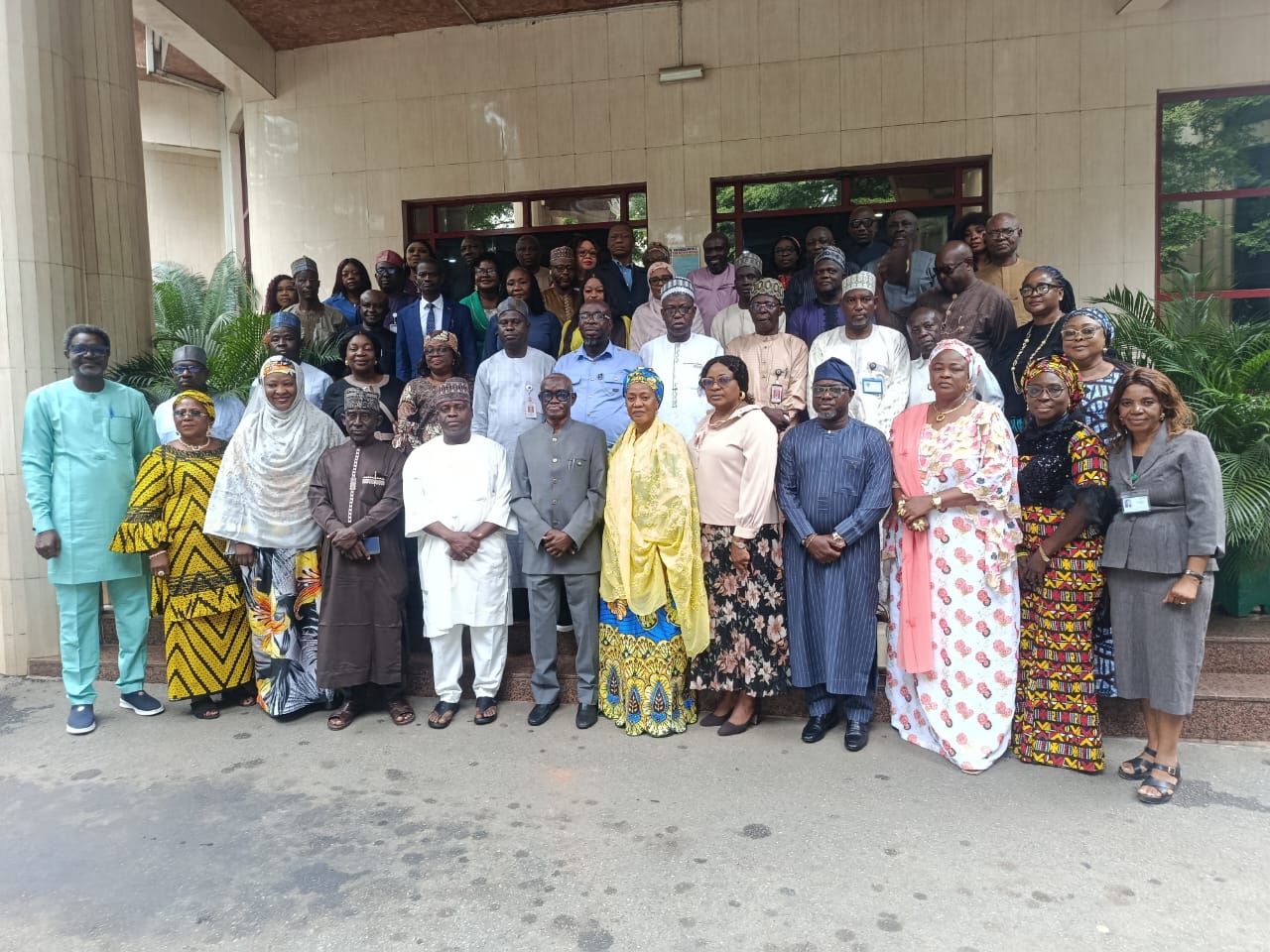
INEC National Commissioner and Chairman of the Information and Voter Education Committee (IVEC), Mallam Mohammed Haruna, made the disclosure on Tuesday in Abuja at a joint implementation meeting of the Commission’s Departments of Voter Education and Publicity (VEP) and Gender and Inclusivity (G&I).
The meeting focused on developing a coordinated communication and inclusivity roadmap for the 2027 elections, with particular emphasis on effective voter mobilisation, public confidence and equal access to the electoral process.

Haruna said the existing voter register contained more than 93 million voters, adding that the figure was expected to cross the 100 million mark after the finalisation of the recently concluded nationwide Continuous Voter Registration (CVR).
He said the projected figure would reinforce Nigeria’s position as Africa’s largest electoral democracy.
With 151 days remaining until the first phase of the 2027 elections, Haruna tasked INEC’s information officers with ensuring that eligible Nigerians receive timely, accurate and accessible information about all stages of the electoral process.
“Our job is to give the widest and most effective publicity to all five sets of elections to mobilise all Nigerians of voting age to choose their leaders. This job is at once simple and complex,” he said.
Haruna said communicating with a potential electorate of more than 100 million people required a high level of professionalism and competence.
He urged information officers to communicate in simple and civil language while acquiring a strong understanding of the Constitution, electoral laws and INEC guidelines.
He also stressed the need for officers to be conversant with relevant legislation, including the Freedom of Information Act and the Data Protection Act.
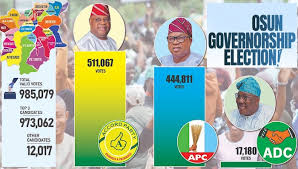
According to him, the Commission’s experience from recent off-cycle elections, including the Osun governorship election, had provided important lessons that must be applied to the 2027 general elections.
He challenged the Commission’s communication teams to work harder towards delivering elections that would be among the freest and most credible in Nigeria’s history.
‘Disinformation could fuel voter apathy’
The Chief Press Secretary to the INEC Chairman, Mr Adedayo Oketola, said the Commission, under Prof. Joash Amupitan, remained committed to credible and inclusive elections.
Oketola described the joint meeting as timely, saying it would produce an actionable framework for communicating the Commission’s activities and ensuring inclusivity throughout the electoral cycle.
He said although technology and logistics were critical to election management, the VEP and G&I departments represented INEC’s direct connection with the electorate.
“You build public trust, simplify complex procedures, and ensure that no eligible citizen is left behind,” he said.
Oketola warned that misinformation and disinformation could pose serious challenges to the 2027 elections by eroding public confidence and encouraging voter apathy.
He said INEC must therefore move from conventional publicity to sustained civic education capable of explaining electoral procedures and technologies to voters.
“The antidote to disinformation is proactive, factual, and continuous public engagement,” he said.
Oketola said INEC’s communication must explain technologies such as the Bimodal Voter Accreditation System (BVAS) and the INEC Results Viewing (IReV) portal, while also reinforcing public understanding of the open secret ballot system.
INEC pledges stronger inclusion
On gender and inclusivity, Oketola said persons with disabilities, women, youths and elderly citizens must be able to participate fully in the electoral process.
He said the Commission would pursue measures aimed at improving accessibility, including the provision of Braille ballot guides and magnifying glasses, prioritisation of vulnerable voters and expanded youth participation through the CVR exercise.
He said the 2027 elections should establish a new benchmark for electoral access in Nigeria.
The Director of Voter Education and Publicity, Ms Victoria Eta-Messi, said effective grassroots voter sensitisation depended significantly on the capacity of VEP heads across the states.
She said the meeting would provide participants with a clear understanding of Commission-approved programmes, implementation strategies and timelines.
“With the off-cycle governorship elections out of the way, what lies ahead is the 2027 general election, and going by the line of activities of both departments, this meeting takes precedence and sets the tone for what lies ahead,” Eta-Messi said.
She added that the meeting would promote uniformity in the implementation of voter education and publicity programmes across the country.
Heads of the Voter Education and Publicity and Gender and Inclusivity departments from the 36 states and the Federal Capital Territory attended the meeting.