
General News
How Reuben Ugbine Used Sculpture to Preserve Nigerian Culture and Identity

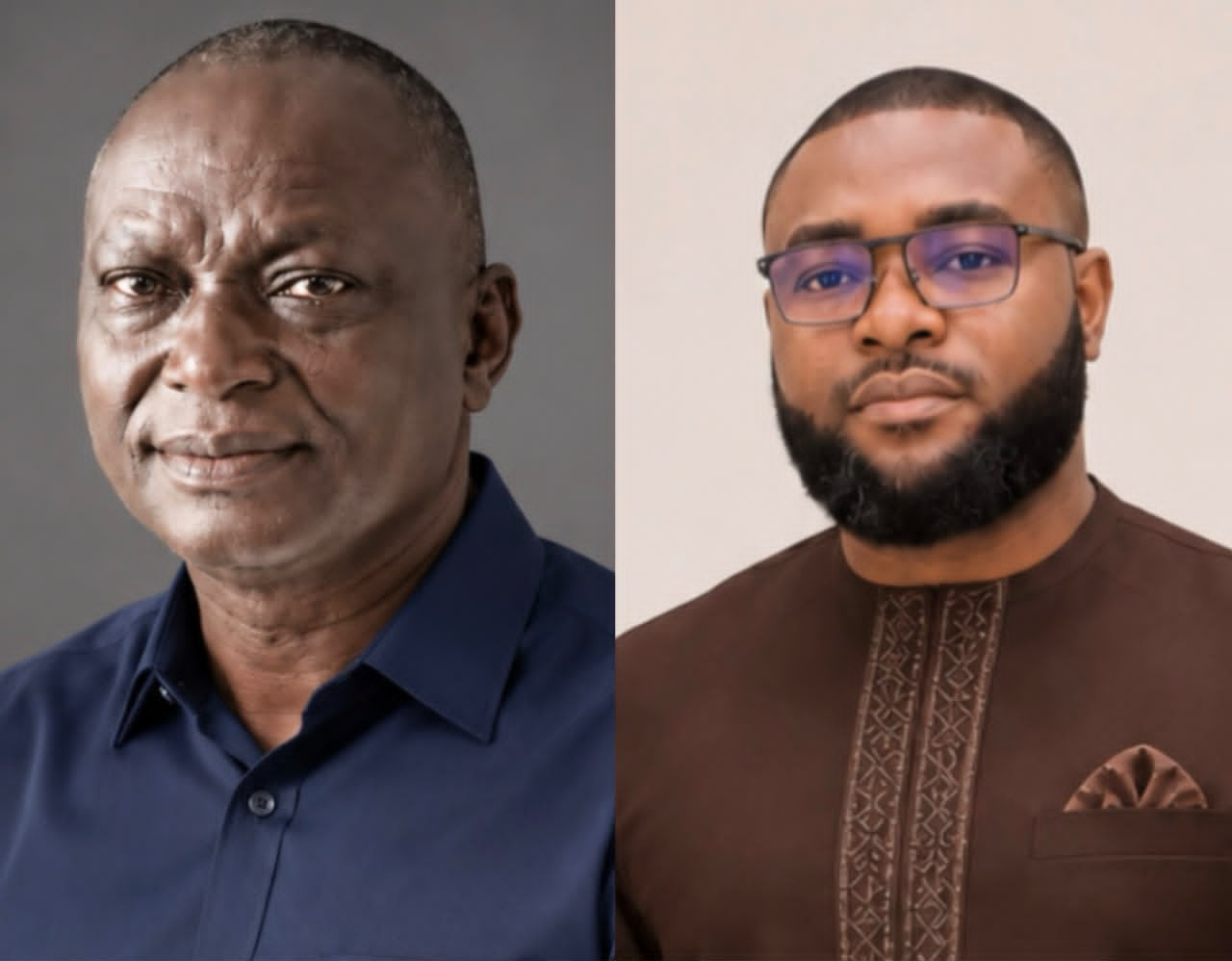
Five years after his death, the works of Nigerian sculptor Reuben Ugbine remain significant for their exploration of cultural identity, traditional life and the everyday experiences of Nigerian people.

Ugbine, who died in September 2021, developed a distinctive artistic language through wood carving, terracotta and figurative sculpture, using the human form and familiar cultural expressions to communicate stories about society.

His artistic practice placed particular emphasis on identity, with works reflecting the relationship between individuals, their communities and the cultural environments in which they lived.
Born in 1956 in Anponya, Ghana, to Nigerian parents, Ugbine studied at Auchi Polytechnic and Yaba College of Technology, where he obtained a Higher National Diploma in Sculpture in 1979.
He later lectured at Auchi Polytechnic before retiring to full-time studio practice. Over the years, he worked with materials including ebony, iroko wood, terracotta and metal, producing sculptures and commissioned artworks.
His contributions extended beyond exhibition spaces. Through his artistic interpretation of traditional Nigerian costumes, human figures and communal experiences, he helped preserve aspects of cultural expression through contemporary visual art.
His son, Reuben Ugbine Karo, has continued to emphasise the cultural importance of his father’s work and the need to protect the stories embedded in the artworks.
“My father understood that art could preserve what words sometimes struggle to communicate. His works tell stories about our people, our traditions and the society we belong to,” Karo said in a proposed statement for approval.
In furtherance of his late father’s artistic legacy, Reuben Ugbine Karo has begun establishing connections within the international art market, particularly in the United Kingdom and the United States, including New York City. Through these engagements, he is creating opportunities to introduce his father’s remarkable body of work to a wider international audience through private exhibitions and collaborations with the global art community.
Building on these efforts, Reuben Ugbine Karo plans to expand his reach by engaging more international galleries, auction houses, cultural institutions, and other foreign organisations.
His vision is to share the story behind his father’s artistry, celebrate his contribution to Nigerian and African art, and ensure that his cultural influence and artistic legacy continue to receive recognition and appreciation across the world.
He has also argued that preserving artistic heritage requires more than maintaining physical artworks, noting that the history, creative processes and cultural influences behind them must also be documented.
Karo’s own career as a visual artist has further connected him to the creative environment in which his father worked, while his advocacy focuses on ensuring that the contributions of established Nigerian artists are not overlooked.
The 2024 exhibition Monuments of the Soul, which presented 25 of Ugbine’s works, offered audiences another opportunity to engage with the evolution of his artistic expression.
As the fifth anniversary of his death is observed, Ugbine’s legacy raises a wider question about how Nigeria documents and preserves the contributions of its artists.
His works remain a reminder that sculpture can serve not only as an artistic expression but also as a record of culture, identity and collective memory.