
General News
Bengaluru Hospital Reports Zero ICU Infections in 28-Week Trial of Daily Disinfection

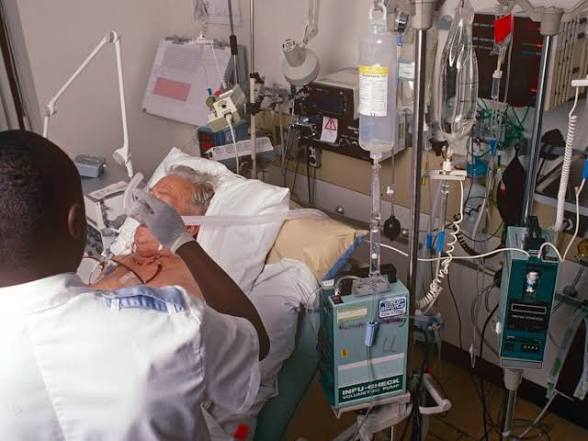
A hospital in Bengaluru, India, has reported a 100 per cent reduction in hospital-acquired infections following a 28-week clinical trial of a bioflavonoid-based disinfection product in patient-occupied intensive care units (ICUs).


The study, conducted at BrainS Superspeciality Hospital with research product support from Pragathi Rural Development Trust, evaluated the use of Citrobioshield fogging to reduce surface microorganisms and hospital-acquired infections without interrupting patient care.

The findings were announced on Monday, November 23, as part of activities marking the 2026 World Antimicrobial Resistance (AMR) Awareness Week, observed from November 18 to 24.

According to the research findings released by the organisations, daily fogging with Citrobioshield in the hospital’s Surgical ICU and four operating theatres resulted in zero recorded hospital-acquired infections and no product-related adverse events during the study period.
The researchers also reported that environmental surface monitoring recorded no microbial growth in the intervention areas, while infections continued to occur in the control units where conventional chemical disinfection was used.
The controlled comparative trial, registered with the Clinical Trials Registry of India (CTRI), was led by the hospital’s Founder Chairman and Chief Neurosurgeon, Dr N.K. Venkataramana, and Chief Consultant in Neuro-anaesthesia and Neuro Critical Care, Dr Pavithra V.
The intervention involved daily fogging of the patient-occupied Surgical ICU and operating theatres 1, 2, 3 and 4 with Citrobioshield, allowing medical personnel to continue treating patients during the disinfection process.
In comparison, the Medical ICU and operating theatre 5 received conventional chemical fogging using hydrogen peroxide and silver nitrate when patients were absent.
The researchers said the intervention recorded a 100 per cent reduction in hospital-acquired infections and surface microorganisms, with a reported statistical significance of P less than 0.001.
Speaking on the findings, Venkataramana described antimicrobial resistance as a growing threat to patient safety, particularly in critical care facilities where vulnerable patients are exposed to hospital-acquired infections.
“Unlike sudden outbreaks, drug-resistant infections are a silent pandemic taking lives every day in critical care units,” he said.
He added that the study demonstrated the potential of continuous environmental disinfection to reduce infection risks without disrupting essential medical services.
Pavithra said the research showed that daily sanitisation could be carried out around critically ill patients without reported product-related adverse events.
She said the approach could help reduce the spread of surface pathogens and the subsequent need for broad-spectrum antibiotics.
The announcement comes amid growing international concern over antimicrobial resistance, which occurs when bacteria, viruses, fungi and parasites no longer respond effectively to medicines designed to treat infections.
The World Health Organisation has repeatedly warned that antimicrobial resistance threatens the effective treatment of common infections and increases the risks associated with routine medical procedures, surgery and childbirth.
As part of efforts to address the challenge, the 2026 World AMR Awareness Week is being observed under the theme, “One Health, one action: Prevent AMR now,” highlighting the need for coordinated interventions across human, animal and environmental health.
The Chairman of Pragathi Rural Development Trust, Dr R. Nagaraja Naidu, said the organisation’s support for the research reflected its commitment to combining scientific innovation with grassroots preventive healthcare.
He said tackling antimicrobial resistance required interventions beyond hospital facilities, including improved sanitation, access to clean water and public health education in underserved communities.
“The fight against antimicrobial resistance cannot succeed in hospital wards alone. It must unite pioneering clinical research with grassroots hygiene and preventive care,” Naidu said.
He added that the organisation was also supporting medical outreach programmes and water, sanitation and hygiene initiatives in rural communities.
BrainS Superspeciality Hospital, located in Bengaluru, specialises in brain, spine and critical care services, while Pragathi Rural Development Trust is based in Tirupati District, Andhra Pradesh, India.
The organisations said the research could provide a basis for further exploration of continuous disinfection methods in critical care environments.