Politics
2027: Obi–Kwankwaso Political Alliance Raises Fresh Questions About Nigeria’s Leadership Future

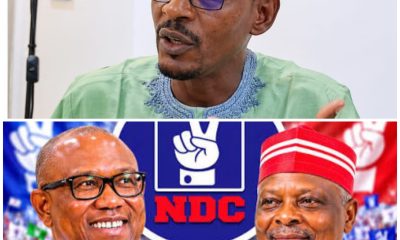
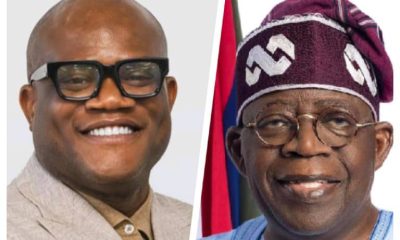
The proposed political alliance between Peter Obi, and, Rabiu Musa Kwankwaso, has triggered renewed conversations about leadership, national unity and good governance ahead of Nigeria’s 2027 general elections.
The Intellectual Alliance for Good Governance (OK 2027) said the political proposition could provide an opportunity to reshape Nigeria’s political landscape and promote a governance agenda focused on accountability, economic development and institutional reforms.
In a position statement signed by its Secretary, Dr A.
It noted that despite the country’s abundant human and natural resources, the benefits of democracy had yet to reflect adequately in the living conditions of millions of Nigerians.
According to the alliance, the debate ahead of 2027 should not be restricted to who occupies the presidency but should focus on the qualities, competence and governing philosophy of those seeking public office.
It identified integrity, accountability, patriotism, competence, inclusiveness and emotional maturity as essential attributes of effective leadership, stressing that public office must be regarded as a responsibility to serve rather than an opportunity for personal enrichment.
The organisation described the Obi–Kwankwaso proposition as an interesting development in the search for a broader political platform capable of bringing together different regional constituencies and administrative experiences.
It observed that Obi’s political philosophy had emphasised prudent management of public resources, economic productivity, human capital development and institutional reforms.
Kwankwaso, on the other hand, was described as a politician with a substantial grassroots following, particularly in Northern Nigeria, built around the Kwankwasiyya movement and his political experience in Kano State.
The alliance said their respective political identities and constituencies could provide a foundation for wider political cooperation and national integration.
However, it cautioned that the viability of the proposed arrangement would depend on the existence of a clearly defined development agenda, an agreed leadership structure, competent personnel and a commitment to democratic institutions.
It warned that an alliance motivated primarily by electoral calculations might fail to earn public confidence without a convincing programme for addressing Nigeria’s development challenges.
The organisation also urged Nigerians to look beyond ethnic, religious and regional considerations when making political choices in 2027.
It said voters should demand practical answers on how candidates intend to tackle unemployment, reduce poverty, improve education and healthcare, strengthen security and address corruption.
On Northern Nigeria’s place in the emerging political conversation, the alliance noted that the region’s agricultural potential, youthful population and opportunities in manufacturing and regional trade remained critical to national development.
It identified poverty, insecurity, unemployment and educational exclusion as major challenges requiring sustained government attention.
The organisation maintained that political representation should be measured by its ability to improve human development, expand economic opportunities and strengthen social welfare rather than merely determine who occupies the highest political office.
It further argued that any political understanding between Obi and Kwankwaso must be built on mutual respect, equitable representation, protection of minority rights and a shared commitment to constitutional democracy.
According to the alliance, national unity requires more than electoral partnerships, stressing the importance of fairness, equal citizenship and respect for Nigeria’s ethnic and religious diversity.
It also emphasised that effective governance was not the exclusive responsibility of the President, noting that the National Assembly, judiciary, state and local governments, civil society and private sector all had important roles in national development.
The organisation called for stronger public institutions, transparent management of national resources, effective public services and policies that deliver measurable improvements in citizens’ welfare.
It said Nigeria needed leaders who would prioritise education over political patronage, promote domestic production, strengthen institutions and create opportunities for citizens rather than deepen economic dependence.
The alliance stressed that the 2027 elections should be about Nigeria’s long-term future rather than the political ambitions or survival of individual politicians.
It urged political actors and voters to place integrity, competence, justice, accountability and national development at the centre of the electoral conversation.
The organisation concluded that the Obi–Kwankwaso proposition offered an opportunity to advance discussions on responsible leadership and good governance, but insisted that its credibility would ultimately depend on the ability of its proponents to translate the political proposition into a practical national development agenda.