
Business and Economy
ACCI 1st Deputy President Urges African Governments to Partner Creative Technologists for Development

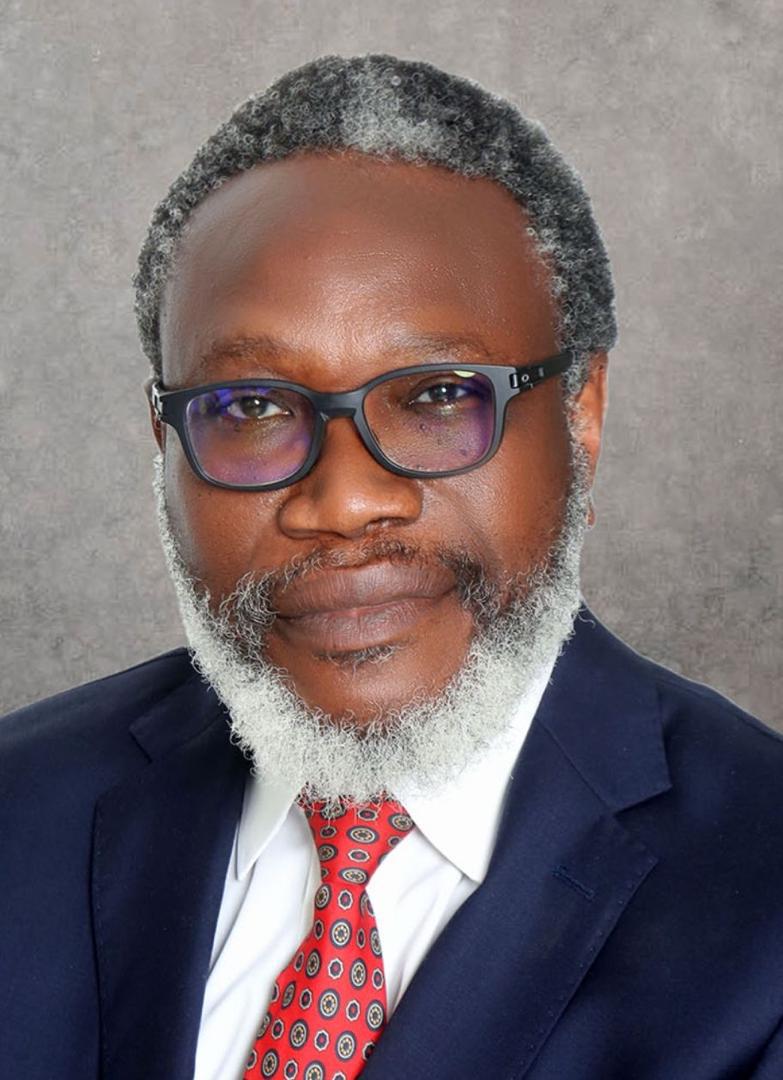
The 1st Deputy President of the Abuja Chamber of Commerce and Industry (ACCI), Professor Adesoji Adesugba, has called on African governments to strengthen partnerships with creative technologists to drive innovation, creation, and sustainable development across the continent.
Professor Adesugba made this appeal in his keynote address at the 2025 Africa Creators Conference themed “Afrofuturism in Code: Envisioning Africa’s Future through Tech, Culture & AI.”
He stressed that creativity is central to national growth and commended the organisers for curating such a bold and timely theme.
According to him:
> “What if Africa wrote the algorithms that govern tomorrow?
What if our languages powered the next generation of AI systems?
What if our stories, music, symbols, and ancestral knowledge became the digital DNA of the global metaverse?”
Prof. Adesugba explained that Afrofuturism is not escapism but reclamation, urging Africa to reclaim its rightful place in shaping the future. He cited Africa’s long history of innovation — from the Benin Bronzes and Timbuktu manuscripts to the Yoruba talking drum and the Ifá divination system, which he described as an ancient algorithmic code centuries before modern computing.
He noted that Afrofuturism represents continuity — the genius of Africa’s ancestors finding new expression through technology. Drawing from his role at ACCI, he highlighted initiatives through the Business Entrepreneurship Skills and Development Centre (BEST Centre), which has trained over 4,000 youths in digital innovation and entrepreneurship. He also referenced partnerships with institutions like Yakubu Gowon University to introduce programs that blend science with artistry.
“Africa cannot thrive on consumption,” he said. “It must thrive on creation. When we teach coding, we must teach culture. When we build AI, we must embed ethics. When we train entrepreneurs, we must train dreamers.”
He warned that as Artificial Intelligence transforms every sector, Africa must prevent cultural erasure. Since most AI systems are trained on non-African datasets, he stressed the need for Africans to tell their own stories, infuse their values into technology, and create tools that reflect the continent’s heritage.
Professor Adesugba projected that Africa’s creative economy — worth over $50 billion and employing millions — could become a global growth engine when integrated with digital technologies like AI and blockchain. He envisioned blockchain-secured art markets, AI-powered archives for endangered languages, and smart contracts for musicians to earn global royalties without intermediaries.
“This is not fantasy; it is already happening,” he said. “If scaled, Africa can move from being a supplier of raw materials to an exporter of imagination.”
He described creators — designers, filmmakers, developers, writers, and curators — as technologists of the human spirit, urging African governments, private sector players, chambers of commerce, and educational institutions to forge alliances with them.
Among his proposals were Afrofuturist Innovation Hubs, AI Ethics Councils rooted in African philosophy, and dedicated Investment Funds for creative startups.
Quoting Nobel Laureate Wole Soyinka, he concluded:
> “The greatest threat to freedom is the absence of imagination. Afrofuturism is that imagination made visible, audible, programmable. The future of Africa will not be imported; it will be imagined, designed, and built right here by us.”