General News
Food Security: IDFP, KAICIID, PaRD Equip Benue Farmers, Herders, IDPs with Skills in Sustainable Agriculture, Nutrition Education, Climate-Resilient Farming

From Dooshima Terkura, Makurdi
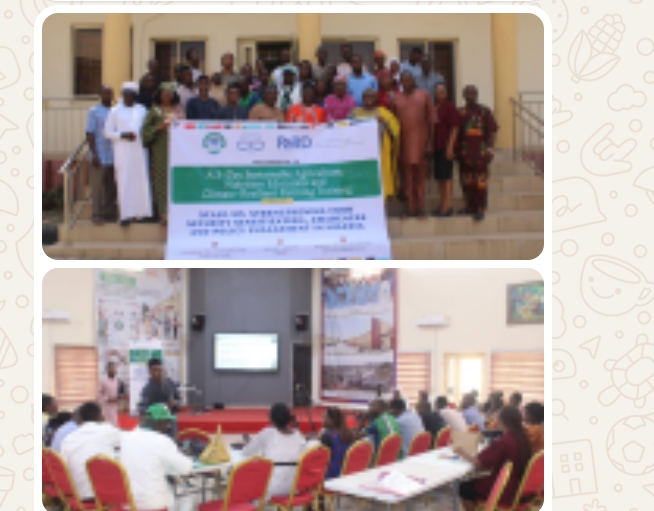
In a bid to address the adverse impact of conflicts and climate change on food security in Benue State, the Interfaith Dialogue Forum for Peace (IDFP), in collaboration with the King Abdulaziz International Center for Interreligious and Intercultural Dialogue (KAICIID) and the International Partnership on Religion and Sustainable Development (PaRD), has trained farmers, herders, and internally displaced persons (IDPs) on sustainable agriculture, nutrition education, and climate-resilient farming practices.

The project, themed “Scale-Up: Strengthening Food Security Sensitization, Awareness and Policy Engagement in Nigeria,” is being implemented by IDFP in partnership with the Interfaith Dialogue Network (IDN), Benue State.
Addressing participants at the three-day training in Makurdi, the Co-Secretary of IDFP, Imam Shefiu Abdulkareem, said Benue State faces numerous challenges, including farmer-herder conflicts, climate change, and weak agricultural systems.
He observed that persistent violence and communal clashes have displaced farming communities, leading to the abandonment of farmlands, reduced agricultural output, food insecurity, and widespread malnutrition.
According to him, the organisations adopted a faith-based approach to achieving food security and peace, noting that religious leaders are highly trusted within communities, deeply embedded in local structures, influential in shaping attitudes and behaviours, and effective in conflict mediation and peacebuilding efforts.
He further explained that the training aimed to strengthen participants’ knowledge and skills in climate-smart agriculture, promote nutrition and food security through sustainable practices, leverage their influence for positive behavioural change, and reinforce community structures across the state.
He added that by the end of the programme, stakeholders are expected to embrace improved climate-smart and nutrition-sensitive practices, foster stronger collaboration and social cohesion among farmers, herders, and other community actors, and contribute to peaceful coexistence and resilience.
The Deputy Director, Research and Collaboration, Centre for Food Technology and Research (CEFTER), Prof. Sylvester Adejo, noted that climate change and conflicts have significantly undermined food and nutrition security due to declining food production.
Speaking on “Food Security, Nutrition and Climate Resilience Interconnectivity: The Benue Situation,” Adejo emphasised the need for adaptation strategies to mitigate the effects of climate change and ensure bumper harvests.
Also speaking, Mr. Ezekiel Ode of CEFTER, who presented a paper titled “Understanding Food Security and Nutrition,” highlighted the damaging effects of malnutrition on human growth and development. He stressed that food security and proper nutrition are vital to productivity, economic growth, and the fight against hunger. He commended IDFP for the initiative and encouraged participants to maximise the opportunity.
Earlier, the Co-Publicity Secretary of IDFP, Hajia Amina Kazaure, welcomed participants and underscored the importance of adequate and nutritious food to peace, happiness, and unity within communities. She assured them that the training would equip them with practical skills to enhance food production and nutrition for the benefit of their families and the wider Benue populace.
Participants drawn from various IDP camps and communities across the state, including Mrs. Awashima Ajinde, Women Leader at the International Market IDP Camp; Emmanuel Atsea from Gwer West Local Government Area; and the Chairman of the All Farmers Association of Nigeria (AFAN), Benue State chapter, Ernest Atoji, expressed appreciation to IDFP and its partners. They urged continued collaboration with federal and state authorities, as well as relevant agencies, to facilitate their safe return to ancestral homes.
The programme concluded with a practical food and nutrition demonstration held at the Ter Makurdi’s office in Makurdi.