
Health
Glaucoma Week: Nigeria Steps Up Awareness Campaign as Experts Outline Key Risk Factors

James Christian
The Federal Ministry of Health and Social Welfare has reiterated its determination to address glaucoma and other eye-related health challenges as part of activities commemorating Glaucoma Week across the country.
Speaking during a press briefing to inaugurate the week-long awareness campaign, the Minister of State for Health and Social Welfare, Dr.
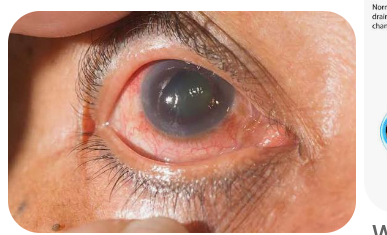
According to him, glaucoma remains one of the leading causes of blindness globally. In Nigeria, it accounts for approximately 15.7 percent of all blindness cases. Recent studies also indicate that about five percent of Nigerians aged 40 and above are living with glaucoma, while between 90 and 94 percent of those affected remain undiagnosed and untreated, highlighting the need for intensified awareness and early screening.
Dr. Salako said the Federal Government is addressing the problem through the National Eye Health Strategic Development Plan (2024–2030), which focuses on strengthening eye-care services at primary, secondary, and tertiary healthcare levels.
He noted that the Ministry has introduced national clinical guidelines and operational toolkits to standardise glaucoma diagnosis and treatment, enhance healthcare capacity, and improve the quality of services nationwide.
The Minister further revealed that over 2,000 primary healthcare workers across states and the Federal Capital Territory have been trained and provided with basic equipment to carry out screenings and make appropriate referrals.
He added that to mark World Glaucoma Week, the Ministry is collaborating with state health ministries, professional associations, and development partners to organise free eye screenings at selected facilities, community outreach programmes, public enlightenment campaigns, and media advocacy initiatives aimed at improving access to diagnosis and treatment.
Also speaking at the event, Permanent Secretary of the Federal Ministry of Interior, Dr. Magdalene Ajani, described glaucoma as the “silent thief of sight,” warning that about one in every 20 Nigerians aged 40 and above could be affected by the disease.
She advised Nigerians to undergo routine eye examinations every two to three years, particularly those considered to be at higher risk.
Dr. Ajani identified major risk factors for glaucoma to include family history, ageing, diabetes, hypertension, and prolonged unsupervised use of steroid-based medications—especially steroid eye drops—which can increase eye pressure and damage the optic nerve.
She explained that individuals with relatives who have glaucoma are up to four times more likely to develop the condition, stressing the importance of regular eye checks for people with a family history of the disease.
Age, she added, is another critical factor, noting that people aged 40 and above—particularly individuals of African descent—face a significantly higher risk. While glaucoma can occur at any age, including among infants with congenital glaucoma, its prevalence increases with advancing age.
Dr. Ajani further encouraged Nigerians to properly manage conditions such as high blood pressure and diabetes, shield their eyes from excessive ultraviolet exposure, maintain a balanced diet, and avoid self-medication.
She also called on the media, civil society groups, community leaders, and health professionals to support ongoing efforts to increase awareness and encourage early detection.
Earlier in her remarks, the Permanent Secretary of the Federal Ministry of Health and Social Welfare, Daju Kachollom, said the initiative aligns with the vision of President Bola Ahmed Tinubu to build a $1 trillion economy by 2030, anchored on improved healthcare delivery and enhanced productivity among citizens.
She reaffirmed the Ministry’s commitment to expanding access to quality eye-care services across the country and reducing avoidable blindness as part of Nigeria’s broader development agenda.
Continue Reading