General News
HEIR Women Hub Founder Urges FG to Expedite Update of VAPP Act to Address Workplace Sexual Harassment

By Iyojo Ameh
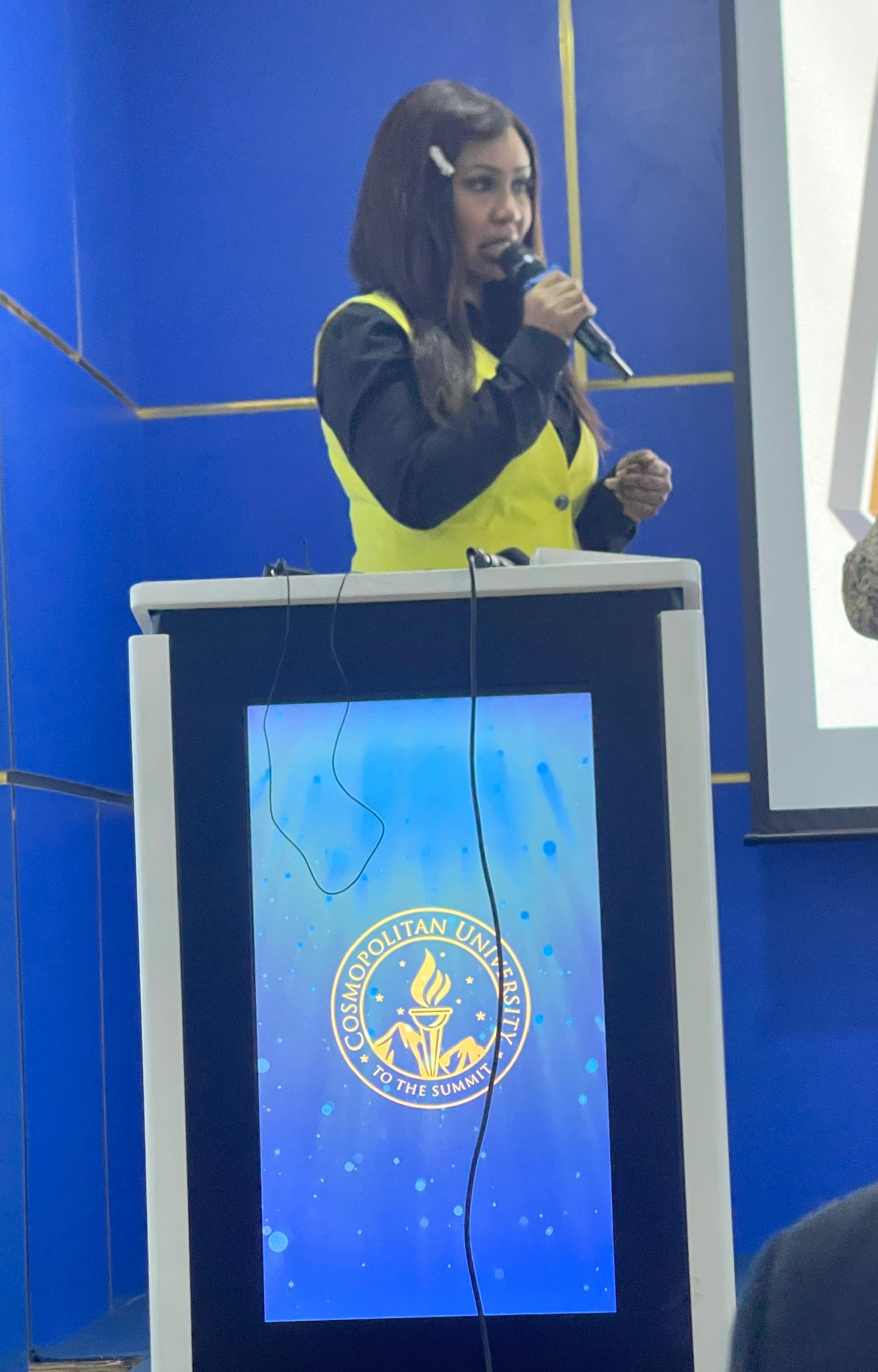
The Founder of HEIR Women Hub, Ms. Anuli Aniebo, has called on the Federal Government to urgently update the Violence Against Persons Prohibition (VAPP) Act of 2015 to better address the growing issue of sexual harassment in the workplace.
Ms. Aniebo made the call during a stakeholders’ engagement event held in Abuja on Thursday. The event, themed “Stakeholders’ Engagement in Addressing Gender Barriers and Sexual Harassment in the Workplace”, was organized by the National Orientation Agency and drew participants from key federal agencies including the Nigeria Customs Service, Nigeria Immigration Service, Nigerian Navy, Nigerian Air Force, Ministry of Finance, Nigeria Correctional Service, Federal Road Safety Corps, Gender Mobile Initiative, and the Ministry of Women Affairs.

Speaking at the forum, Ms. Aniebo stressed that workplace sexual harassment remains a pervasive issue, particularly affecting women and younger employees. Citing research by Folke and Rickne (2022), she noted that nearly half of all women experience sexual harassment at some point in their careers. She emphasized that sexual harassment is widely recognized as a form of gender-based discrimination, and is regulated by equality bodies in many advanced countries, such as the Equal Employment Opportunity Commission (EEOC) in the U.S. and the Equality and Human Rights Commission (EHRC) in the U.K.
According to her, the consequences of workplace sexual harassment are not only detrimental to the mental and physical well-being of the victims but also significantly affect productivity and organizational effectiveness.
“Victims often suffer from anxiety, depression, post-traumatic stress disorder, and even physical ailments such as insomnia, headaches, and cardiovascular issues,” she stated. “In many cases, this leads to job loss, absenteeism, and disengagement at work, which ultimately undermines national economic performance.”

She also highlighted underreporting as a major challenge. Referencing research by Dahl and Knepper (2021), Ms. Aniebo noted that while 4% of U.S. employees report experiencing sexual harassment annually, only 0.01% file formal complaints. She warned that this silence enables perpetrators and perpetuates a cycle of abuse.
To address these issues, she and other stakeholders at the event made several key recommendations, including:
Legislative and Regulatory Frameworks to expedite the update of the VAPP Act to include explicit provisions addressing workplace sexual harassment. Enforce compulsory adoption of anti-harassment policies across all public and private organizations. Impose penalties for non-compliance and offer incentives for organizations demonstrating best practices. Leadership accountability requiring leaders in both public and private sectors to publicly declare zero tolerance for harassment and establish external oversight committees to ensure impartial investigations and accountability regardless of rank.
Similarly, she called for more awareness and annual training programs for all employees and managers on recognizing and reporting harassment. Improve communication using posters, handbooks, emails, and continuous education to create awareness of rights and reporting mechanisms. Policy Implementation and Monitoring and Regularly update harassment policies to reflect evolving legal standards. Conduct routine audits and implement external monitoring systems for impartiality and effectiveness.
She also noted that anonymous reporting channels should be introduced to protect whistleblowers, by training HR personnel to handle complaints with sensitivity and confidentiality and to establish counseling services and peer support groups for victims.
Another major issue is the tackling of cultural Norms which can be done through partnerships with NGOs and advocacy groups to address stigma and cultural misconceptions and the use of the media to promote gender equity and normalize discussions around workplace harassment.
Ms. Aniebo concluded by urging the government to act swiftly in updating the VAPP Act and ensuring comprehensive implementation of workplace harassment policies to protect employees and enhance national productivity.
“The time to act is now. Sexual harassment must not be allowed to thrive in any Nigerian workplace,” she said.