
News
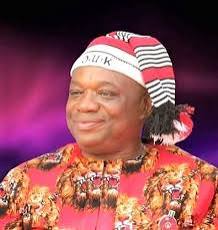
Kalu: The Man Who Didn’t Forget Us

By Rubby Obinna
It started with a road.
Not a big highway or a flashy bridge — just a narrow, dusty road that connected two villages in Umunneochi. For years, it had been nothing but potholes and broken promises. Farmers carried produce on their heads. Pregnant women were carried on bikes to clinics far away. Children walked hours to get to school.
And then one morning, the rumble of bulldozers filled the air.
The people thought it was a dream.
But it wasn’t.
It was Senator Orji Uzor Kalu — and that was just the beginning.
“He Came Back For Us”
In Abia North, politicians often forget the people once the elections are over. But OUK was different.
“Some of us voted for him because of what he did as Governor,” says Mama Nnenna, a 68-year-old widow in Ohafia. “But we didn’t know he would still remember us in our small village.”
He did more than remember.
He showed up.
With boreholes.
With transformers.
With textbooks.
With startup grants for young girls who dreamed of starting sewing businesses.
“I Got My First Job Because of Him”
For Kelechi, a 24-year-old graduate from Bende, life after NYSC was bleak.
“No job. No connection. Nothing.”
But then he attended one of Senator Kalu’s ICT training programs. He learned graphic design and got a laptop through a youth empowerment scheme.
“Today, I make money online and train others too. I’ve even started my own business.”
OUK didn’t give him fish — he taught him how to fish.
*The Senator Who Listens*
What makes Orji Uzor Kalu stand out isn’t just the projects — it’s the man himself.
When Adaora, a teacher from Isuikwuato, couldn’t afford to pay her daughter’s WAEC fees, she reached out to OUK’s constituency office. Two weeks later, the fee was paid — along with 30 other students from her school.
“He listens,” she said. “He may be big in Abuja, but he still has time for people like us.”
*From Power to People*
OUK doesn’t just chase power. He uses power to help people.
He fought for more security presence in border towns threatened by criminal attacks. He made sure community vigilantes had motorcycles and communication gadgets. He visited health centers that were falling apart — and brought funds to rebuild them.
While others hold town hall meetings in air-conditioned hotels, he sits under mango trees with elders and youth leaders — taking notes, asking questions, and giving feedback.
“We’re Not Just Voting — We’re Standing With Him”
In Arochukwu, a woman named Ngozi stands up during a community meeting.
She speaks with fire in her voice.
“OUK is not perfect, but he is the first politician I’ve seen who does more than talk. I don’t care about party anymore. I care about who is working for us.”
The crowd nods.
From rural electrification to youth scholarships, from market development to legislative bills, the people have seen what continuity looks like — and they want more.
*The Story Isn’t Over*
There are still projects on the ground. Bridges that need finishing. Schools that need expansion. Health programs that are just beginning.
The people know that.
They know that leadership is not about slogans — it’s about staying the course.
They’ve had others come with flowery promises.
But OUK gave them something rare in Nigerian politics: Results.
*The Road Home*
Back in that village where it all began, the narrow road is now tarred.
The children no longer walk miles to school.
The market women now move their goods easily to town.
There’s light in the evenings. There’s water from the borehole. There’s peace.
And when people talk about the upcoming 2027 elections, they don’t speak in confusion.
They speak with confidence.
Because they know one thing for sure: The man who didn’t forget them deserves to finish what he started.
This isn’t just a campaign. It’s a story of trust, loyalty, and visible change.
And it’s still being written — one road, one scholarship, one act of service at a time.
*Rubby Obinna*
August 27, 2025.
#OUK2027
#AbiaNorthDeservesMore
#LeadershipWithResults