
News
Nigeria Emerges as Third-Largest Global Borrower Amidst Governance Concerns

By Sam Agogo
Nigeria’s rise to become the third-largest borrower globally from the World Bank’s International Development Association (IDA) is more than a fiscal statistic—it is a sobering indictment of governance failure and misplaced priorities. With debt surging to $18.7 billion as of December 31, 2025, Nigeria now trails only Bangladesh and Pakistan in the IDA loan portfolio.
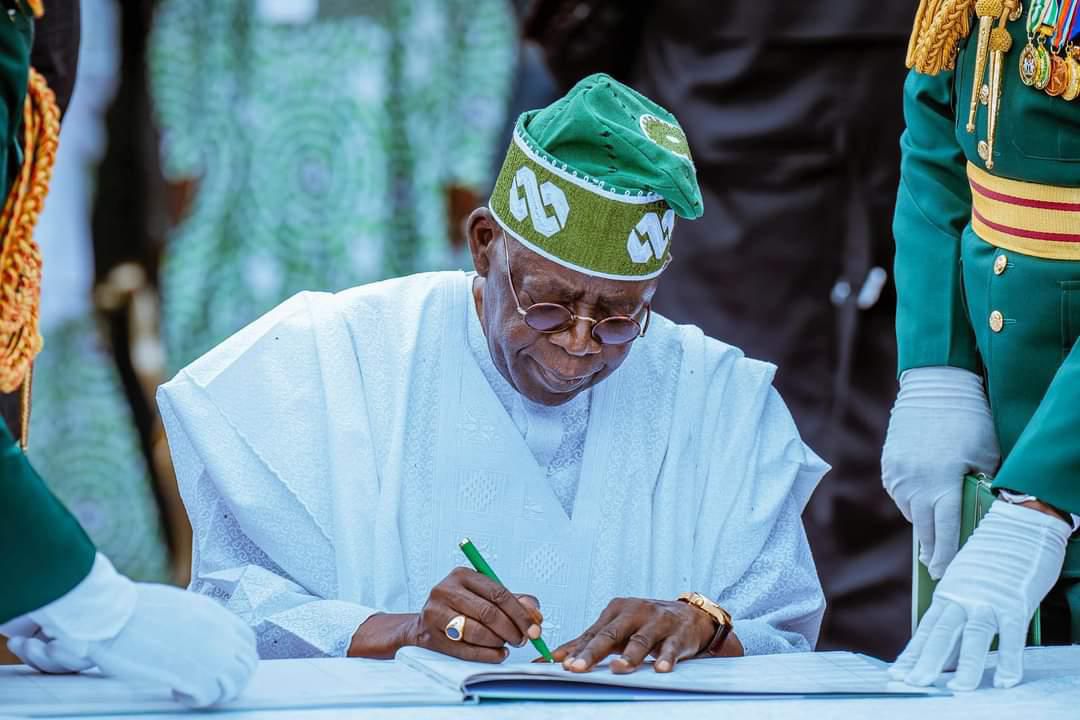
The contrast between the Buhari and Tinubu administrations is telling. By the end of 2023, Nigeria’s IDA debt stood at about $14.6 billion, already a significant burden accumulated under Buhari’s government. Tinubu’s administration has since added nearly $4.1 billion in just two years, accelerating the pace of borrowing without corresponding evidence of development. While Buhari’s loans were at least partially tied to visible infrastructure projects such as railways and agriculture programs, Tinubu’s borrowing has yet to yield measurable results, fueling public frustration and eroding confidence in governance.
Despite billions borrowed, Nigeria’s Human Development Index (HDI) indicators remain stubbornly stagnant. Healthcare facilities are underfunded, schools lack infrastructure and quality teaching, unemployment continues to rise, and electricity supply remains unreliable. Citizens lament bad roads, poor access to clean water, and inadequate social amenities, underscoring the disconnect between debt accumulation and tangible improvements in daily life.
Observers argue that Tinubu’s administration has been consumed by political indulgence rather than governance, with capital projects for the 2024–2026 budgets reportedly stalled. Allegations of excessive spending on personal and political interests have further fueled discontent. Economists warn that Nigeria’s debt trajectory is unsustainable, with external debt servicing consuming a large share of government revenues and crowding out social spending. Dependence on oil revenues leaves the economy vulnerable to shocks, while governance concerns erode investor confidence.
Comparisons with Bangladesh and Pakistan highlight Nigeria’s missed opportunities. Bangladesh has leveraged IDA loans to expand infrastructure, improve healthcare, and boost education, lifting millions out of poverty. Pakistan, despite its challenges, has directed loans toward energy and transport projects, yielding visible improvements. Nigeria, by contrast, has failed to translate borrowing into measurable progress, underscoring the urgent need for reform.
Civil society groups and economists have called for greater transparency and accountability in debt management. They argue that borrowed funds must be tied to measurable development outcomes rather than political spending. Citizens, meanwhile, express growing frustration at the lack of visible progress, pointing to poor roads, unreliable electricity, and inadequate healthcare as evidence of mismanagement.
Nigeria stands at a decisive moment. To break the cycle of borrowing without progress, the government must prioritize capital projects that directly improve healthcare, education, and infrastructure. Strengthening institutions to ensure transparency, diversifying the economy beyond oil, and aligning borrowing with long-term development goals are essential steps.
The country’s escalating debt is a mirror reflecting its governance crisis. With $18.7 billion in debt under Tinubu and billions more accumulated under Buhari, Nigeria risks becoming trapped in a cycle of borrowing without progress. The choice is stark: continue down the path of political indulgence and fiscal vulnerability, or embrace reform and channel resources into transformative development. The future of Nigeria depends on whether its leaders summon the courage to govern with discipline, vision, and accountability.
For comments, reflections, and further conversation:
Email: samuelagogo4one@yahoo.com
Phone: +2347062760296