
General News
Senate Demands Transparency as Public Procurement Agency Proposes ₦32.1bn 2026 Budget, Reports ₦3.3trn Savings from 2025 fiscal year

By Inalegwu Osemi
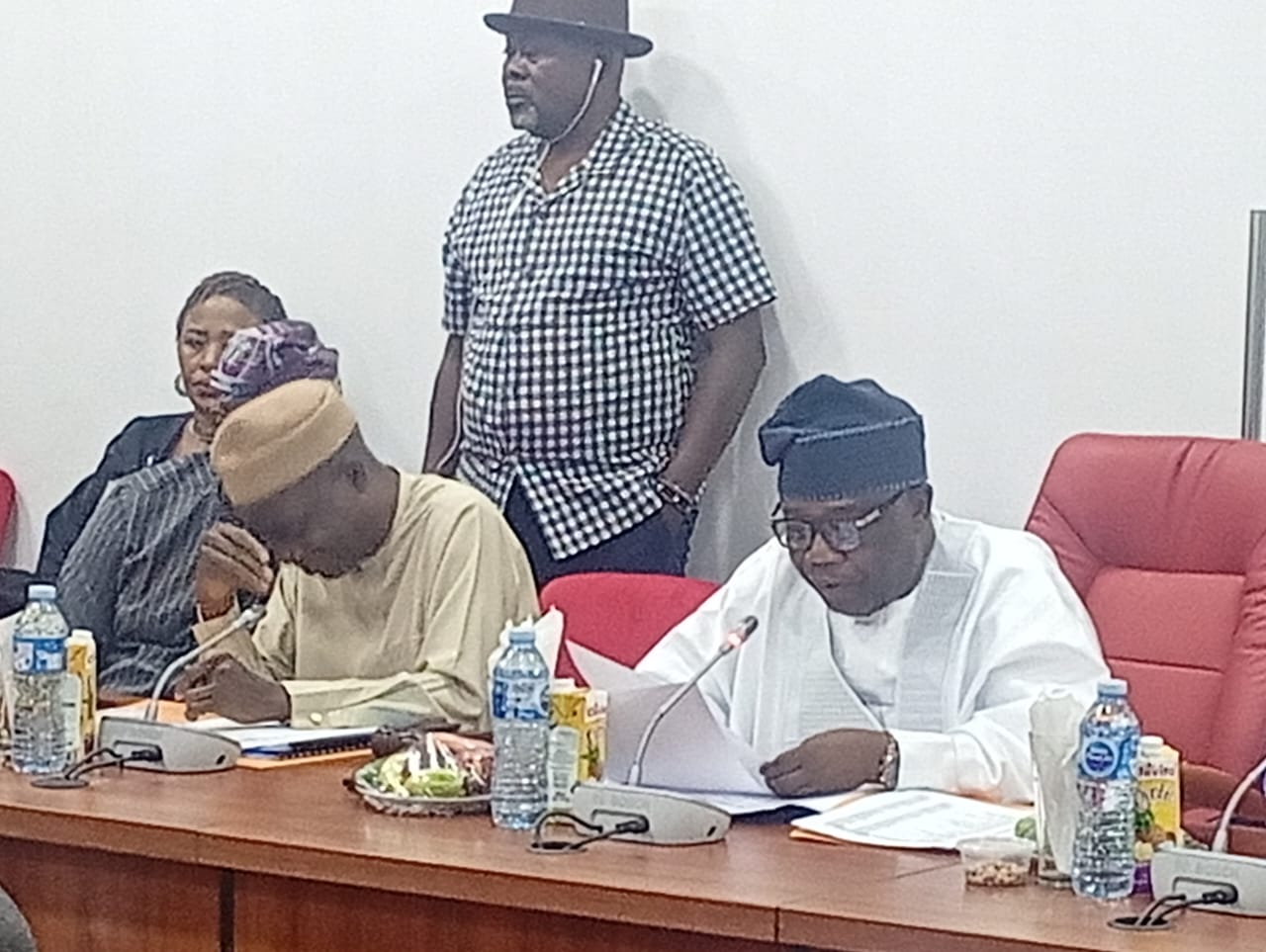
The Senate Committee overseeing public procurement has emphasized the need for clarity and transparency in the operations of the Bureau of Public Procurement (BPP), as the agency presented its 2026 budget proposal before lawmakers.

Chairman of the committee, Senator Olajide Ipinsagba, stressed the importance of accountability and openness in procurement processes, noting that transparency remains critical to ensuring value for money and strengthening public confidence in government spending.
Presenting the agency’s budget, the Director-General of the Bureau, Dr. Adebowale Adedokun, highlighted several reforms introduced since the beginning of his tenure.
He disclosed that the introduction of community-based procurement systems, as well as procurement frameworks at the state and local government levels, has significantly improved economic participation and contributed positively to the nation’s Gross Domestic Product.
Dr. Adedokun also revealed that the agency has saved the country over ₦3.3 trillion through its procurement oversight and regulatory functions, demonstrating its vital role in ensuring efficiency and preventing financial leakages in public spending.
He further informed the committee of plans to propose amendments to the Public Procurement Act by 2027, aimed at strengthening procurement regulations and improving operational effectiveness.
The reforms will also include the upgrading and proper classification of contractors to ensure only qualified firms handle government projects.
On budget performance, the Director-General disclosed that the agency received ₦4.032 billion in its 2025 budget, but only 30 percent of the approved amount was released, which affected the implementation of key programmes.
For the 2026 fiscal year, the Bureau proposed a budget of ₦32.1 billion to support its expanding responsibilities, including digital transformation of procurement processes.
Dr. Adedokun noted that all procurement submissions will now be processed electronically to enhance efficiency, transparency, and excellence in service delivery.
The committee commended the agency’s achievements but reiterated the need for continued transparency, accountability, and prudent management of public funds.
The budget defence is part of the ongoing review by the National Assembly of budget proposals by ministries, departments, and agencies ahead of the 2026 fiscal year in Nigeria.