
Business and Economy
Senate Raises Concern over Downstream Oil Sector Challenges, Moves to Address Issues

By Iyojo Ameh
The Senate, through its Committee on Petroleum (Downstream), on Thursday in Abuja, expressed its readiness to address the various challenges confronting Nigeria’s downstream petroleum sector.
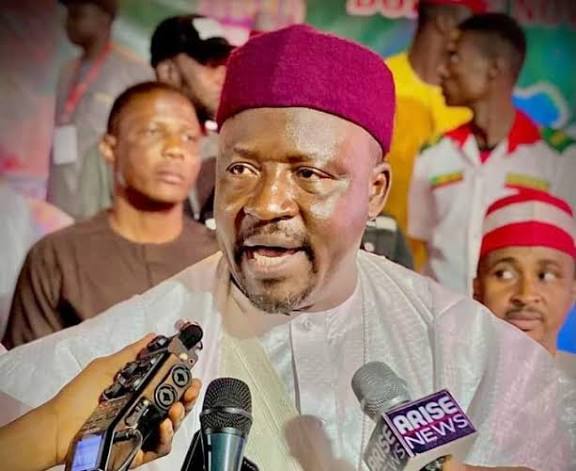
This commitment was revealed by the Chairman of the Committee, Senator Kawu Sumaila (Kano South), in a personally signed statement.

According to Senator Sumaila, the committee’s efforts to resolve the sector’s challenges are in line with resolutions reached at its recent retreat and are anchored on its Strategic Action Work Plan.
He explained that the committee will soon conduct a comprehensive investigative hearing to examine the problems in the sector and propose lasting solutions.
“The Senate Committee on Downstream Petroleum, pursuant to the resolutions of its recent retreat and in line with its Strategic Action Work Plan (Q4 2025 – Q4 2026), hereby resolves to undertake a comprehensive investigative hearing on the current challenges in the downstream petroleum sector,” the statement read.
The committee listed several key issues to be examined, including concerns surrounding the operations of private and government-owned refineries, disputes involving the Petroleum and Natural Gas Senior Staff Association of Nigeria (PENGASSAN), the National Union of Petroleum and Natural Gas Workers (NUPENG), and other labour stakeholders, as well as allegations relating to crude oil supply obligations, regulatory overlaps, transparency, and competitiveness.
Senator Sumaila noted that the committee is committed to providing a transparent and inclusive platform for all stakeholders—including private refinery owners, government agencies, labour unions, regulators, and civil society groups—to present their views, raise concerns, and make submissions.
He emphasized that the outcome of the investigative hearing will help the Senate redefine the roles of regulatory agencies, address industrial disputes, strengthen legislative oversight, and tackle systemic bottlenecks in the downstream sector.
“The committee aims to safeguard workers’ rights, promote industrial harmony, enhance Nigeria’s energy security, and improve transparency and competitiveness within the downstream petroleum industry,” he added.