
News
The Silent Collapse: Unmasking Corruption in Nigeria’s Civil Service and Local Governments

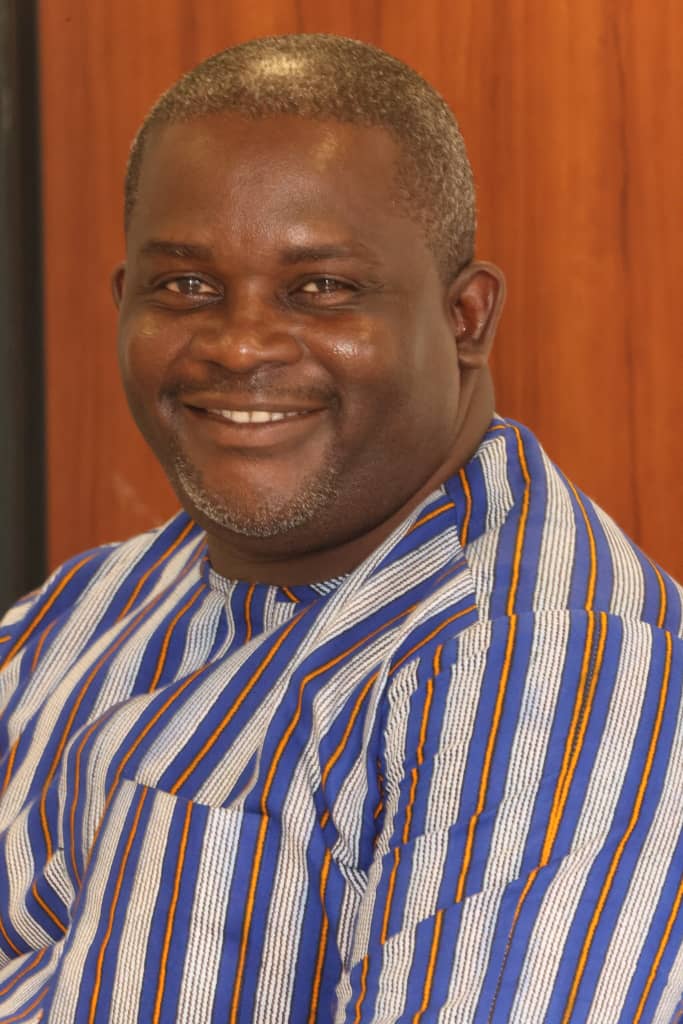
By Sam Agogo
Nigeria is not falling apart with noise—it is collapsing in silence. Not from war, not from famine, but from a slow, deliberate betrayal by those entrusted to protect its future. The tragedy is not just in what has been stolen, but in how deeply the theft has been normalized. Behind the walls of government offices, in dusty filing cabinets and digital payroll systems, a quiet conspiracy thrives—one that has turned public service into a private enterprise.
This is not speculation. It is the lived experience of a contracted auditor who spent years moving through ministries, parastatals, and local government offices. His job was simple: verify records, inspect payrolls, and ensure public funds were being used appropriately. What he found was not a few bad apples—it was an entire orchard of rot. The corruption he witnessed was not chaotic or impulsive. It was organized, calculated, and deeply embedded in the culture of governance.
In several local governments, he discovered civil servants whose lifestyles rivaled those of oil barons. Directors of Finance and Administration were living in mansions, driving luxury SUVs, and owning chains of hotels and fuel stations. Their wealth was not the result of entrepreneurship or inheritance—it was siphoned from the salaries of ghost workers, deceased staff, and pensioners who had long been forgotten. In one council, a single official controlled the payroll of over 100 nonexistent employees, withdrawing millions monthly with no oversight. Pensioners, meanwhile, collapsed in queues, waiting for stipends that had already been looted.
Auditors who attempted to investigate were met with resistance. Local government power blocs threatened to block access to records. It took a stern warning from the state—threatening to suspend salaries of anyone who obstructed the audit—for documents to finally emerge. What those documents revealed was staggering. Promotions were deliberately hidden so staff remained on lower salary scales, allowing the difference to be pocketed. Clerical officers were mysteriously upgraded to directors in exchange for bribes. Salary vouchers were altered. Pension lists were manipulated. Health workers who had left service years ago were still receiving salaries. Civil servants who had relocated abroad continued to appear on monthly payrolls. In one case, a file containing evidence of salary fraud was burned overnight to erase any trace of wrongdoing.
This is not an isolated phenomenon. It reflects a nationwide epidemic. In one high-profile case, a civil servant at the Federal Ministry of Power was arrested by the Independent Corrupt Practices and Other Related Offences Commission (ICPC) for diverting over ₦109 billion. In another, a senior pension official was convicted for laundering billions stolen from retirees. The Nigeria Police Pension Office lost more than ₦32.8 billion in a fraud scheme orchestrated by top officials and bankers. These are not accidents—they are deliberate acts of sabotage against the Nigerian people.
Inside ministries and parastatals, budgets are padded with vague and unverifiable allocations. Millions are assigned to “foreign training,” “empowerment programs,” “logistics,” and “overhead costs,” with no breakdown or accountability. The money disappears into private pockets. Receipts are forged. Files go missing. Auditors who dig too deep are transferred or silenced. In some offices, staff openly declare that “government money is nobody’s money.” Pension funds are withheld for months while officials invest them in real estate and luxury ventures. Retirees suffer not because Nigeria lacks resources, but because the system is designed to exploit them.
At the local government level, the situation is even more grotesque. These councils are meant to be the closest tier of governance to the people, yet they have become the richest feeding grounds for corruption. Monthly allocations from Abuja arrive, but in many communities, there is no sign of government presence. No water. No schools. No roads. No clinics. No security. What exists instead are the chairman’s new mansion, a convoy of SUVs, and civil servants buying estates in distant cities. Contracts for boreholes, school renovations, culverts, and rural roads are awarded and fully paid for—but never executed. Villages remain in darkness. Bridges collapse. Children walk barefoot to schools with broken roofs. Yet on paper, everything has been “completed and commissioned.”
This is not just financial corruption—it is a humanitarian crisis. It is the reason millions remain poor, sick, unemployed, and hopeless. It is why graduates roam the streets while ghost workers earn steady salaries. It is why pensioners die in pain while their life savings are stolen. It is why Nigeria—a nation blessed with intellect, talent, and resources—continues to crawl while others soar.
But this nation is not beyond redemption. The solution lies not in speeches, but in structural reform. Every payroll must be linked to Bank Verification Numbers (BVN) and National Identification Numbers to eliminate ghost workers permanently. Auditors must report directly to independent anti-corruption courts, not to the same officials they are investigating. Whistleblowers must be protected by law, rewarded for their courage, not punished for their honesty. All government spending—salaries, pensions, contracts, overheads—must be made public and traceable in real time. No document should exist only on paper. Everything must be digital, transparent, and accessible to citizens. Promotions must be earned through merit, not purchased through bribery. Salaries must be fair and reflective of service. Corrupt officials must not only be dismissed—they must be prosecuted and compelled to return every stolen kobo.
Because the truth is this: Nigeria is not poor. Nigeria has been looted—systematically, shamelessly, and unapologetically. And the looting continues. If we remain silent, corruption will no longer be an act—it will become our national identity. But if we speak, expose, resist, and demand accountability, then this nation can still rise. Not through violence, but through truth. Not through fear, but through courage. Not through whispers, but through a collective roar that says: enough.
For Comments, Reflections and Conversations:
Email: samuelagogo4one@yahoo.com
Phone: +2348055847364