General News
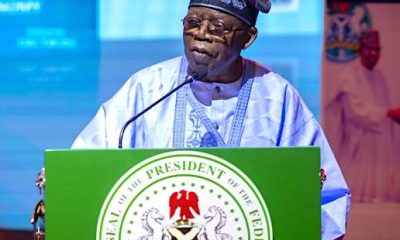
Tinubu Set to Sign Four Tax Bills into Law Today


By Iyojo Ameh
President Bola Ahmed Tinubu is expected to sign four major tax reform bills into law today, a significant milestone in Nigeria’s ongoing efforts to overhaul its tax system and improve revenue generation.
The signing ceremony, scheduled to take place at the Presidential Villa in Abuja, will be attended by key figures in the nation’s governance and fiscal management, including the Senate President, Speaker of the House of Representatives, Majority Leaders of both chambers, and chairmen of the Finance Committees.

The four bills to be signed are:
1. Nigeria Tax Bill (Ease of Doing Business)
2. Nigeria Tax Administration Bill
3. Nigeria Revenue Service (Establishment) Bill
4. Joint Revenue Board (Establishment) Bill
Collectively, the bills are designed to streamline tax administration, consolidate fragmented tax policies, enhance the ease of doing business, and promote transparency and accountability in revenue collection.
The Nigeria Tax Bill seeks to harmonize various tax laws across the country, reducing the multiplicity and duplication of taxes. This reform is expected to ease compliance for taxpayers and foster a more predictable business climate.
The Nigeria Tax Administration Bill proposes a standardized legal and operational framework for tax processes at the federal, state, and local government levels—ensuring consistency and efficiency across all tiers of government.
Under the Nigeria Revenue Service (Establishment) Bill, the existing Federal Inland Revenue Service (FIRS) will be replaced by a more autonomous and performance-driven Nigeria Revenue Service (NRS). The new agency will have an expanded mandate, including the collection of non-tax revenues, with strong provisions for transparency and accountability.
The final piece of the reform, the Joint Revenue Board (Establishment) Bill, will create a formal mechanism for cooperation among all revenue authorities. It also introduces oversight institutions such as a Tax Appeal Tribunal and an Office of the Tax Ombudsman to resolve disputes and protect taxpayer rights.
Once enacted, the new laws are expected to significantly enhance Nigeria’s fiscal capacity, attract domestic and foreign investment, and drive sustainable economic development.