
Business and Economy
Town Planners Urge Sustainable Development of FCT Satellite Towns

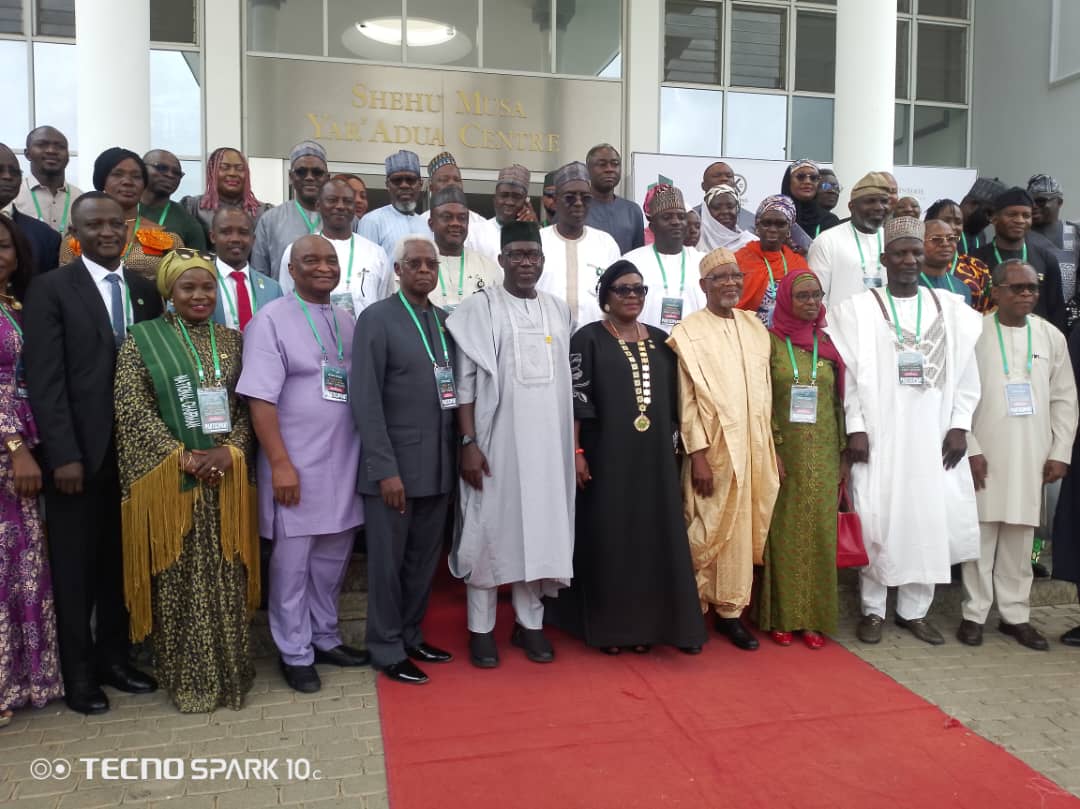
The Nigerian Institute of Town Planners (NITP), Federal Capital Territory (FCT) Chapter, has called for renewed focus on the sustainable and inclusive development of Abuja’s satellite towns.
The Chairperson of the NITP FCT Chapter, Queen Phillips, made the call at the 2025 edition of the FCT Town Planners Day held in Abuja.
She explained that the event’s theme, “Regional Development in the FCT: Rethinking Public Sector-led Development of Abuja Satellite Towns,” was both timely and relevant.
“The Abuja Master Plan envisioned a balanced pattern of growth, with satellite towns complementing the Federal Capital City by absorbing population growth, creating economic opportunities, and reducing pressure on the city centre.
“However, current realities reveal significant disparities. Many satellite towns still suffer from inadequate infrastructure, poor service delivery, and weak governance systems,” she said.
Phillips noted that while the Federal Capital Territory Administration (FCTA) had introduced reforms to address these challenges—through monitoring growth, enforcing planning standards, and promoting adherence to the Abuja Master Plan—concerns remained about inclusivity, governance, and long-term sustainability.
“Town Planners Day has always been a platform for reflection, dialogue, and policy advocacy. Today’s deliberations must go beyond identifying problems to crafting actionable solutions that can transform Abuja’s satellite towns into vibrant, resilient, and inclusive urban centres,” she added.
Chairman of the occasion and Coordinator of the Abuja Metropolitan Management Council, Felix Obuah, commended the NITP FCT Chapter for its choice of theme. Represented by the Director of Development Control, Mukhtar Galadima, Obuah said Abuja was designed to be more than a capital—it was envisioned as a modern, inclusive, and well-planned city.
“But when you step into satellite towns like Kubwa, Karshi, Nyanya, Bwari, Gwagwalada, Kuje, Kwali, and Abaji, you see another reality: poor infrastructure, housing shortages, long commutes, and limited opportunities.
“This imbalance is glaring—the city centre thrives while the periphery struggles, largely due to neglect in implementing the city’s master and regional development plans,” he said.
Obuah stressed that development in the FCT had been too city-centred and government-driven, with bureaucracy, limited resources, and weak execution leading to abandoned projects and overstretched services.
“Government leadership is essential, but it cannot do it alone. Partnerships with the private sector and local communities are critical. We have a world-class master plan, but a plan is just a plan until it is implemented,” he noted.
He urged town planners to engage communities and ensure that satellite towns become livable, sustainable, and prosperous.
Also speaking, the 26th President of the NITP, Dr. Chime Ogbonna, represented by the Second National Vice President, Garba Jibrin, recalled that the original FCT development strategy envisioned Abuja city and its satellite towns growing side by side.
According to him, the approach was designed to ensure functional coherence and provide complementary services across the territory.
“Unfortunately, inadequate funding, policy inconsistencies, and political and economic challenges shifted attention to the city centre, leaving many satellite towns to deteriorate into slums,” Ogbonna said.
He, however, noted that the 2025 theme was particularly relevant, as the FCTA was now giving renewed priority to infrastructure development in the satellite towns.