Exclusive Interview
2025 NILP: Over 2,000 Nigerians Trained in Indigenous Languages as NICO Pushes for Safeguarding Legislation

To further protect Nigeria’s indigenous languages from extinction, the National Institute for Cultural Orientation (NICO) has trained over 2,000 Nigerians in 14 native languages.
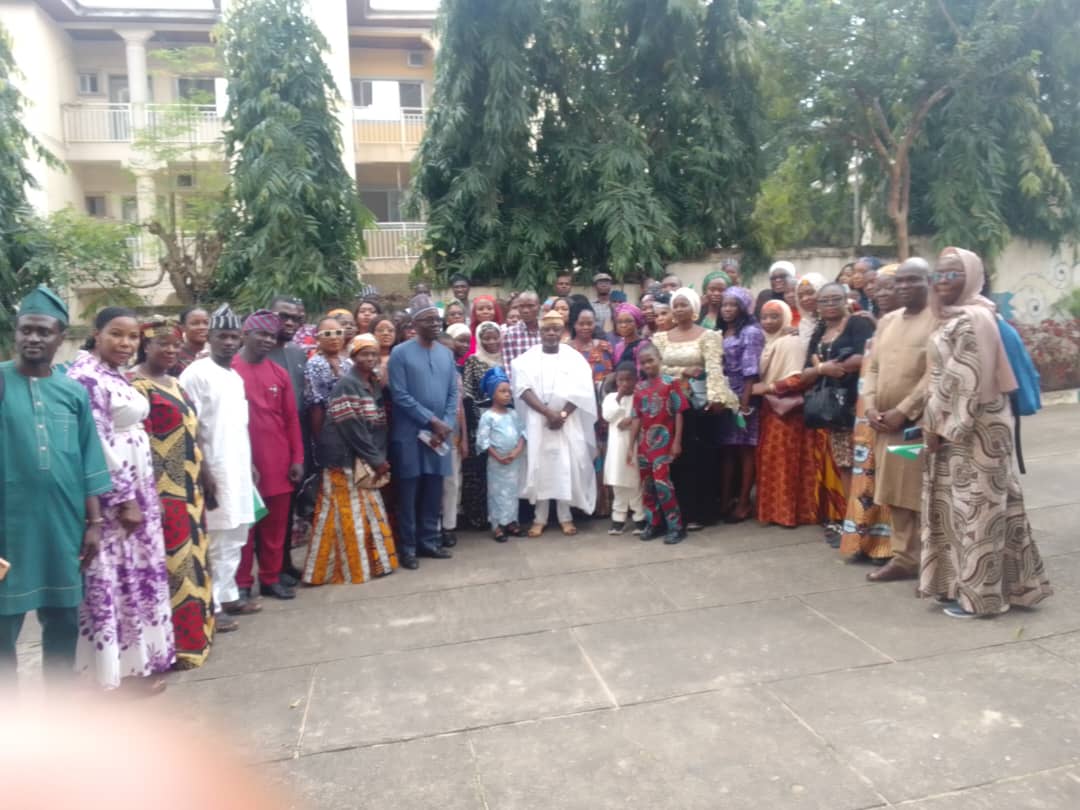
Speaking at the closing ceremony of the 2025 August edition of the Nigerian Indigenous Language Programme (NILP) in Abuja, NICO’s Executive Secretary, Otunba Biodun Ajiboye, said the training was conducted simultaneously across the Institute’s offices in all six geopolitical zones of the country.
“The Nigerian Indigenous Language Programme (NILP) is an initiative driven by dedication and passion, and we are delighted by the massive participation in this year’s edition. Our indigenous languages are a vital part of our cultural identity and national heritage, serving as keys to understanding our history, traditions, and values,” he said.

Ajiboye explained that the month-long intensive training was introduced in response to the global decline of indigenous languages, a challenge also confronting Nigeria. He stressed that promoting native languages would not only preserve cultural diversity but also enrich human experience.
“This initiative seeks to raise awareness about the importance of speaking our indigenous languages, instill pride in them, promote national identity, and strengthen Nigeria’s cultural diplomacy goals. Experts warn that if current trends persist, most Nigerian languages could disappear within three decades,” he cautioned.
Quoting global projections, he added: “By the end of this century, about 90% of the world’s languages may be replaced by more dominant ones.”

In line with its mandate, Ajiboye revealed that NICO has rolled out several other programmes, including the Weekend Indigenous Language Programme, Online Language Teaching Programme, Language in the Barracks, and indigenous language classes in NYSC camps. He also noted that the Institute has reviewed its training school syllabus to incorporate Nigerian language teaching and strengthen human capacity in this area.
“The survival of our indigenous languages depends on collective effort and sustained commitment. We call on government, the media, educational institutions, and civil society to support language revitalization. Policy measures must also promote the use of indigenous languages in education, media, and legislative processes,” Ajiboye urged.
He further emphasized the role of parents in ensuring that children learn, speak, and take pride in their mother tongues. He encouraged families to participate in NICO’s training programmes nationwide, noting that such efforts would not only save the languages from extinction but also sustain Nigeria’s cultural identity.
“As we close this edition of the Indigenous Language Programme, we look forward to the impact of the knowledge and skills you have acquired. The responsibility to protect our languages for future generations lies with all of us,” he concluded.