
General News
@66: Nigeria Still Dependent on Foreign Forces, Economic Conditions – University Don

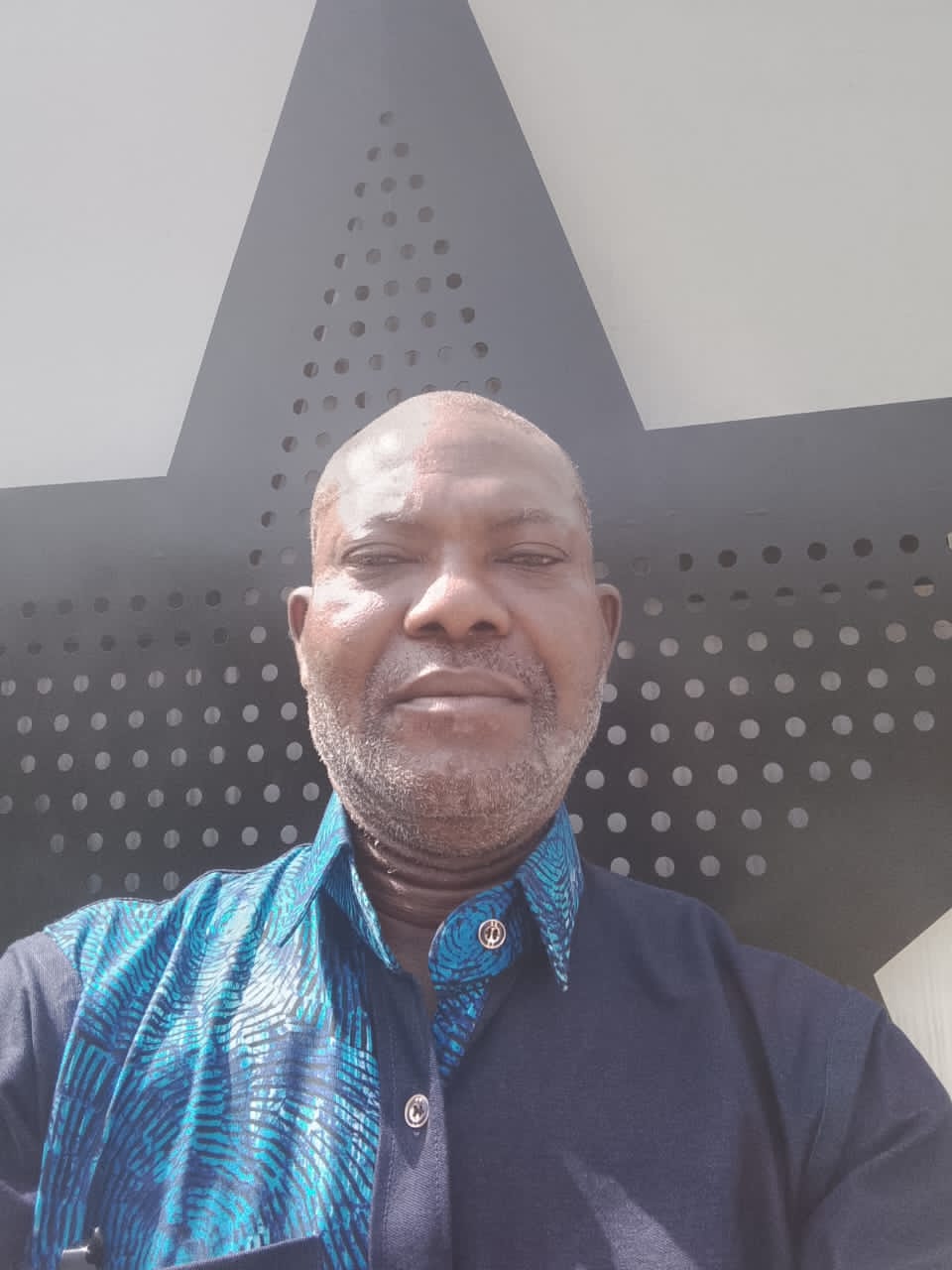
From Dooshima Terkura, Makurdi
As Nigeria marks its 66th Independence Anniversary, a University Don in Benue State, Professor John Igoli, has described the country’s independence as “a dependent one,” arguing that the nation remains heavily influenced by foreign economic conditions and internal weaknesses.
Speaking on the state of the country, Igoli said Nigeria’s dependence was evident in the impact of international developments on fuel prices, exchange rates and other aspects of the economy.

He said, “Our independence is a dependent one. There are so many dependencies on people now, particularly on those who are working. We also depend on foreign circumstances to determine what happens in Nigeria.”
According to him, conflicts and economic developments in other countries often have direct consequences for Nigerians, particularly through changes in the price of petroleum products and fluctuations in the value of the naira.
Igoli said, “So our lives are dependent on what happens in other places. We are not truly independent. Even our currency is affected by the exchange rates of other countries.
The Strait of Homus, anything that happens there, affects our petrol prices. External conflicts also affect us. Once any two countries go to war, Nigeria feels the impact, especially in the price of petrol.
So our lives are dependent on what happens in other places. We are not truly independent.”
“Even our currency is affected by the exchange rates of other countries. So what are we independent of, apart from the fact that we are able to elect our leaders in quote?”
He, however, noted that Nigeria could claim a measure of political independence because citizens have the opportunity to elect their leaders, although he expressed concerns about the state of democratic practice in the country.
“I think that is the only area where we can claim independence, that nobody is forcing leaders upon us.
“From within, it is our system of democracy. As somebody said, we have external democracy but not internal democracy. Our democracy is external, but internally there is no democracy,” he said.
He also questioned whether Nigeria currently offers the conditions required for citizens and investors to pursue meaningful lives and businesses, citing corruption, insecurity, poor infrastructure and weak institutional support.
He said businesses affected by road construction and other public infrastructure projects often receive little or no assistance to recover from losses.
He stated that “Roads are being constructed in Makurdi now, but these roads have paralysed a lot of people’s businesses. How are those people going to recover? There is no insurance to say, ‘Because we affected your shop, here is compensation for you.”
He argued that the challenges confronting businesses had contributed to Nigeria’s difficulty in attracting investment, saying the country was unsuitable for business, academic and research activities without significant reforms.
According to him “The same thing is done around the flyover that is being constructed at Mararaba, Abuja. A lot of businesses have collapsed because of the road expansion and flyover construction. Again, there is no assistance from anywhere.
“So Nigeria is not a business destination, neither is it an academic or research destination. The only thing we have is being around government and having access to money.”
On the forthcoming elections, he said Nigerians needed to recognise the extent to which economic hardship had weakened their ability to demand accountability from government.
He illustrated the situation with the example of a chicken that had been repeatedly deprived and eventually became grateful for receiving even a small amount of food.
He regretted that “Nigerians have been beaten to the point that if the government says it has reduced the price of petrol by one naira, we will all go to the streets celebrating.”
He also cited poor rural roads as another manifestation of the country’s infrastructure challenges, recounting how a journey to a rural area resulted in damage to his vehicles.
He said such experiences make it difficult for citizens to rely on rural economic opportunities and contribute to the broader problem of economic dependence.
Professor Igoli, consequently, called attention to the need for stronger institutions, better infrastructure and an economy that enables Nigerians to become less dependent on government and external economic forces.