
News
The State of Fear: How Insecurity Is Rewriting Nigeria’s National Identity

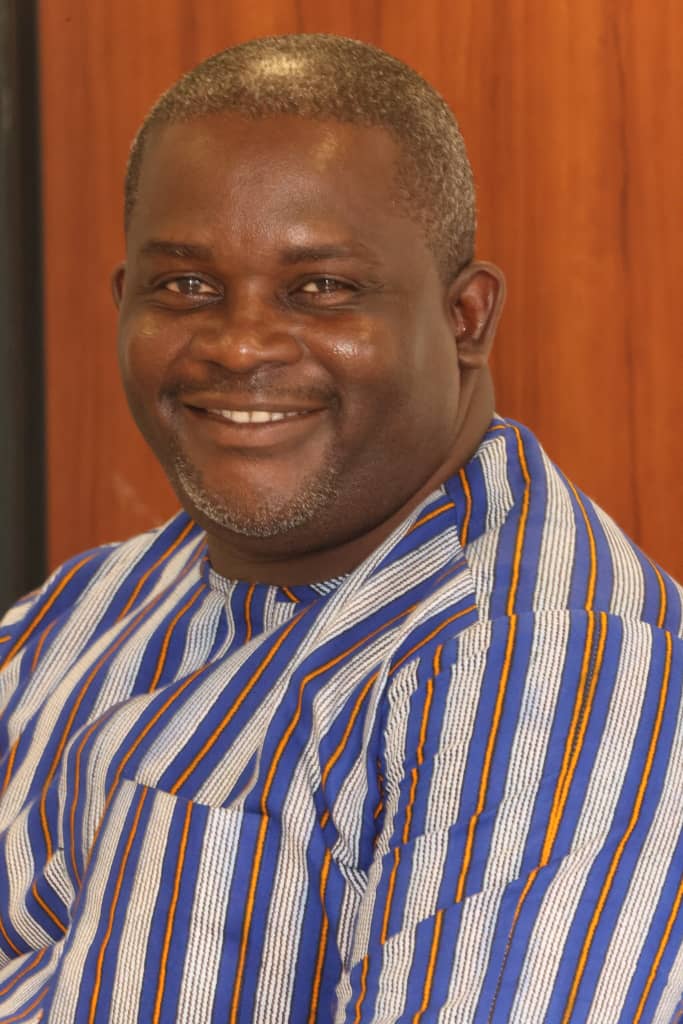
By Sam Agogo
Nigeria today stands on the edge of a dangerous precipice — a nation where fear has become the new normal. From bustling cities to remote villages, insecurity has spread its venom across all regions, threatening not only lives but the very soul of the country. What was once seen as isolated bandit attacks or localised insurgency has now become a nationwide nightmare — a collective trauma that touches every class, tribe, and faith.
In the North-West and North-Central states such as Kaduna, Niger, Katsina, Zamfara, Plateau, and Benue, communities live in constant dread as bandits and terrorists raid homes, burn villages, and kidnap citizens for ransom. In the North-East, Boko Haram and ISWAP remain unrelenting, attacking soft targets and military positions alike. Even the Federal Capital Territory, Abuja, has tasted fear, with reports of kidnappings and attacks stretching uncomfortably close to the nation’s seat of power.

The South-East has not been spared. In Imo, Anambra, Abia, Enugu, and Ebonyi States, violent separatist activities, killings, and attacks on public facilities have left the region in ruins and its people in perpetual tension. In the South-West, states like Ondo, Ekiti, and Oyo have suffered from farmer-herder clashes, highway kidnappings, and cult-related violence, while the South-South, with states such as Delta, Rivers, and Bayelsa, continues to battle oil theft, militancy, and ritual killings. From every direction, it feels as though the nation is bleeding without restraint.

Even sacred spaces are no longer safe. Churches and mosques have been invaded, worshippers slaughtered, and holy grounds desecrated. This collapse of sanctity underscores a terrifying truth — that insecurity in Nigeria no longer respects God, law, or humanity. Not even those who once carried the nation’s flag are spared: a retired Army General was recently kidnapped and released only after a huge ransom was paid, symbolizing how deep the rot has gone.

The human cost of this tragedy is staggering. Thousands have been displaced, children orphaned, and families broken beyond repair. Economic life has been crippled in many communities as farmers abandon their fields and traders flee marketplaces. The nation’s psyche is damaged — citizens now live behind walls, gates, and security dogs, trusting more in private vigilantes than in public forces meant to protect them.

Yet, amid this chaos, one thing is clear: Nigeria cannot continue this way. The government must move beyond rhetoric and embrace a new, technology-driven, intelligence-based security architecture. Community policing should no longer be a slogan but a practical tool — empowering local communities to defend themselves with coordination and accountability. The use of drones, surveillance technology, and rapid-response mechanisms should be prioritized, and the security agencies must be better equipped, trained, and motivated to match the sophistication of modern criminals.
Equally important is the role of leadership at all levels — governors, traditional rulers, religious leaders, and civil society must collaborate genuinely to rebuild trust. No region can solve insecurity alone. Nigeria must rise above politics, ethnicity, and pride to confront this collective threat with unity of purpose and moral clarity.
Ultimately, the battle for Nigeria’s security is not just about guns and checkpoints; it is about justice, jobs, and the restoration of hope. When citizens feel heard, protected, and included, peace becomes sustainable. But when hunger, corruption, and neglect rule, violence will always find a home.
If Nigeria fails to act decisively now, fear may soon replace freedom as our national identity.
For comments, reflections and further conversation:
📩 Email: samuelagogo4one@yahoo.com
📞 Phone: +2348055847364