News
Greed, Corruption, and Betrayal: Nigeria’s Quiet Moral Crisis


By Sam Agogo
In a nation gasping under the weight of moral collapse, the daily stories of exploitation, abuse, deceit, and predatory behaviour have become the new normal. We now live in a society where integrity is mocked, where those in trusted positions weaponize authority, and where the vulnerable are left bleeding in silence. The tragedy is not only that evil is rising — it is that society is slowly accepting it as culture.
One of the most dangerous tendencies today is how ordinary Nigerians, when given even the slightest measure of power, behave as though they are gods. A clerk, a supervisor, or a minor officer suddenly wields their limited authority as absolute, locking doors, hoarding opportunities, and barring access to others. Jobs that should be opportunities for merit and growth are sold to the highest bidder, traded among elites long before the public is even aware. Those who are meant to help you often refuse, choosing instead to collect information about openings and pass them to relatives, friends, or clients, leaving the deserving frustrated and helpless. Ambition is no longer about excellence; it is about leverage, greed, and domination.

Meanwhile, the exploitation of young women has reached horrifying heights. Lecturers who should mentor students have turned offices into dens of abuse, demanding sex in exchange for grades, projects, or graduation. Corporate and government offices are no different — young women are coerced into degrading compromises because supervisors see vulnerability as an invitation. These abuses are rarely reported because speaking out carries the threat of ruin: blackmail, lost opportunities, and public shame. Morality, dignity, and fairness are daily casualties in a system where power is worshiped above all.

As this darkness spreads, society has normalized performative charity. Churches and organizations now scramble for visibility, turning genuine service into staged performances. Many give with cameras on, recording every act of kindness as though compassion itself has become a content brand. Humility has been replaced by spectacle; the poor are used as props for applause. When churches and organizations prioritize visibility over integrity, the very essence of service is corrupted.
Even worse, in communities across Nigeria, the act of giving has increasingly become a political tool. Anyone who suddenly digs a borehole, sponsors scholarships, initiates a community project, or distributes relief materials is immediately suspected of seeking political power, a government appointment, or influence. Politicians and aspirants have perfected the art of turning philanthropy into a stepping stone for ambition: feeding the hungry before elections, building schools or clinics to gain loyalty, paying for funerals to impress elders, or sponsoring youth groups to harvest votes. The generosity is calculated, the compassion staged, and the service conditional. It is rare that these acts are done purely out of love, conscience, or commitment to community development.
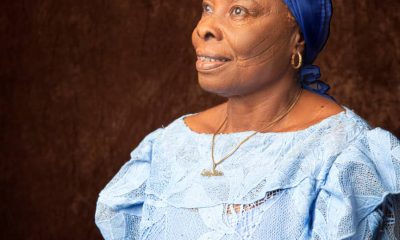
Yet, in the midst of this pervasive greed and moral bankruptcy, a few rare individuals stand tall as reminders that humanity can survive quietly and faithfully. Dr. Kate Ogah, an Igede woman from Benue State, runs a fully free, tuition-free school in her village, educating children whose families cannot afford learning. She does this without calling the media, filming the children, or seeking political leverage. Her life is a testament that true philanthropy requires neither cameras nor ambition — only conscience, courage, and commitment.
Similarly, Mr. David Okponya, who is only an aide in one establishment, has quietly secured jobs for over 30 persons from his community. What makes him exceptional is not the position he holds — modest as it is — but how he wields it: quietly, humbly, and without seeking any recognition, gain, or political advantage. Unlike the majority who exploit small power for fame or profit, Mr. David Okponya helps because it is morally right. When asked about politics, he simply says he wants to become a lecturer. His life contrasts sharply with a society where service has become a currency for personal gain, ambition, or visibility.
But these shining examples only highlight the darkness surrounding them. Nigerians sabotage Nigerians with shocking regularity. Friends leak secrets to destroy reputations. Business owners sell fake, unsafe products. Landlords hike rent mercilessly. Security officers extort the helpless. Elders and officials hoard opportunities while pretending to help. Lecturers, supervisors, and even some community leaders exploit trust for personal benefit, betraying the very people they are supposed to guide. Politicians manipulate every good deed for publicity, votes, or personal gain. Schools, boreholes, scholarship programs, and even empowerment initiatives are increasingly just a performance — a currency for political influence rather than a gift to humanity.
We are living in a time when wickedness is bold, and virtue is silent. A time when those given tiny powers act as petty gods, locking doors against others, selling jobs to the highest bidder, or diverting opportunities to friends and relatives. A time when churches give charity for cameras, and mentors exploit vulnerability for pleasure or gain. Accountability has been buried, and truth suffocates under pretense, greed, and envy.
Unless we rise with courage…
Unless we confront these evils without fear…
Unless we stop celebrating predators in classrooms, offices, churches, and communities…
Unless we begin to honor the quiet integrity of people like Dr. Kate Ogah and Mr. David Okponya…
We will soon wake up in a society where goodness is extinct, and exploitation becomes the accepted definition of power.
And if we refuse to act, we will become the generation that watched evil grow wings, take flight, dominate our institutions — and did absolutely nothing.
Comments, Reflections & Further Conversation:
Email: samuelagogo4one@yahoo.com
Phone: +2348055847364