Business and Economy
Cyber Threats, Vandalism Endanger Telecom Sector As NCC Calls For Judicial Support

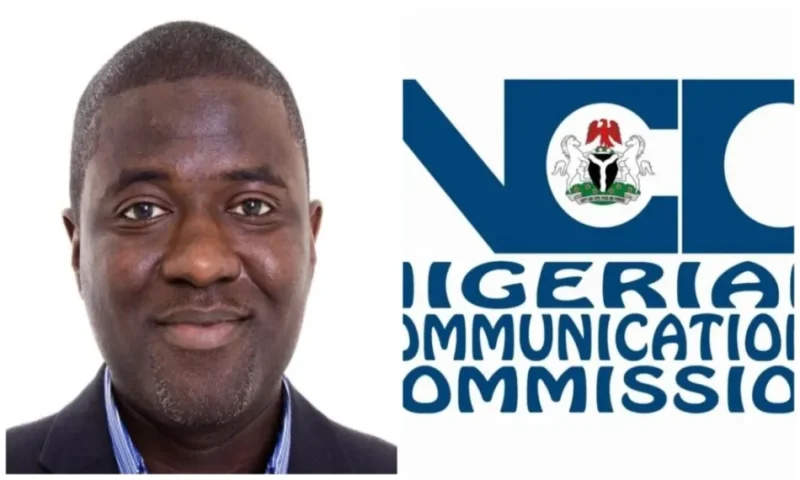
The Nigerian Communications Commission (NCC) has emphasized the crucial role of the judiciary in protecting Nigeria’s digital economy, telecommunications infrastructure, and online ecosystem against rising cyber and security threats.
The Commission also disclosed that it has reviewed the Internet Code of Practice to promote responsible internet governance while balancing innovation, investment opportunities, and the protection of vulnerable citizens from online harms.
Executive Vice Chairman of the NCC, Dr. Aminu Maida, stated this during the 2026 Workshop for Judges on Legal Issues in Telecommunications held in Lagos on Thursday, May 14, 2026. He explained that vandalism, fibre cuts, theft, and sabotage continue to threaten telecom infrastructure, posing significant dangers to service reliability, national security, and public confidence in Nigeria’s digital economy.
Maida noted that Nigeria’s digital economy is expanding rapidly, driven by increased digital payments, e-commerce activities, startups, and technology-based literacy programmes aimed at promoting economic inclusion and wider access to digital services.
Represented by the Executive Commissioner, Stakeholder Management, Ms. Rimini Makama, the NCC boss said Nigerians consumed over 1.42 million terabytes of data in March 2026, compared to 995,000 terabytes recorded during the same period in 2025.
According to him, daily data consumption has increased to approximately 15 million hours of high-definition video streaming, compared to 10.7 million hours recorded a year earlier. He explained that the development demonstrates the nation’s growing reliance on digital connectivity and online platforms.
Maida further stated that broadband penetration rose from 47.7 percent in 2025 to 54.3 percent in 2026, thereby improving access to faster and more reliable internet services across the country.
He also revealed that telecommunications operators invested more than one billion dollars in network expansion projects in 2025, with thousands of additional telecom sites established to improve coverage, service quality, and digital access in underserved communities nationwide.
The NCC chief said President Bola Ahmed Tinubu had designated telecommunications infrastructure as Critical National Information Infrastructure, requiring stronger protection from government institutions, security agencies, industry operators, and citizens because of its strategic importance to national development.
Maida announced that the Commission is working closely with security agencies and telecom operators through a nationwide initiative involving asset mapping, advocacy, mediation, and enforcement measures to safeguard critical telecom infrastructure.
According to him, the Commission’s collaboration with the Office of the National Security Adviser has already disrupted criminal syndicates involved in the theft, vandalism, and illegal resale of telecommunications infrastructure and network equipment across the country.
He added that the NCC would further strengthen collaboration with the Economic and Financial Crimes Commission (EFCC), National Identity Management Commission (NIMC), and other relevant agencies to combat cybercrime and protect telecom subscribers as well as digital consumers nationwide.
Maida also identified misinformation, hate speech, child exploitation, data privacy breaches, and cybersecurity threats as major concerns associated with increasing internet penetration and the broader use of digital communication platforms.
In his remarks, Chairman of the NCC Governing Board, Idris Olorunnimbe, said digital technologies have significantly transformed governance, commerce, security systems, and social interactions globally.
He stressed that issues relating to cybersecurity, online harms, infrastructure protection, artificial intelligence, and consumer rights require stronger institutional collaboration and deeper judicial understanding of Nigeria’s evolving telecommunications and digital regulatory environment.
Olorunnimbe expressed confidence that the workshop would enhance the capacity of judges to effectively handle telecommunications-related disputes while promoting innovation, protecting citizens, and safeguarding Nigeria’s critical digital infrastructure and overall digital economy.