General News
Malnutrition, Drug Abuse Worsening Nigeria’s Security Crisis, NUJ Warns

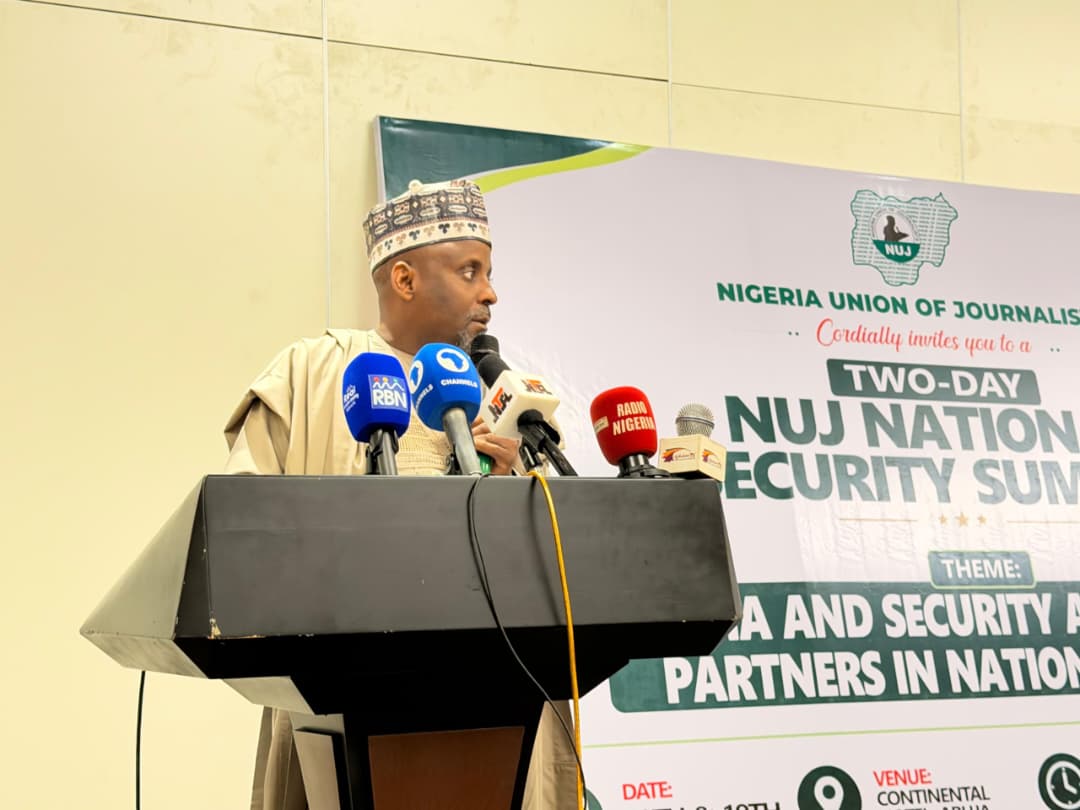
The Nigeria Union of Journalists (NUJ) has identified malnutrition, rising drug abuse and the growing presence of foreign actors in Nigeria’s media space as emerging threats contributing to insecurity across the country.
Speaking at the National Security Summit organised by the NUJ in partnership with the Department of State Services (DSS) in Abuja, NUJ National President, Comrade Alhassan Yahaya Abdullahi, urged journalists and security agencies to strengthen collaboration in addressing the nation’s complex security challenges.
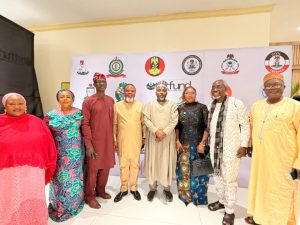
The two-day summit, themed “Media and Security Agencies as Partners in Nation Building,” brought together media practitioners, security experts, retired military officers and stakeholders to explore strategies for improving cooperation between the press and security institutions.

Among those in attendance were former NUJ Presidents, Chris Isiguzo, Abdulwaheed Odusile and Lanre Ogundipe, as well as current and former leaders of the Nigeria Association of Women Journalists (NAWOJ), including National Chairperson Hajiya Aisha Ibrahim Kwaya-Bura.
Addressing participants, Abdullahi said the media must continue to play a strategic role in promoting national development and supporting efforts to secure the country.
He expressed concern over what he described as the increasing influx of foreigners into Nigeria’s media environment, warning that the trend could have implications for national security if not properly monitored.
The NUJ president also highlighted malnutrition as an often-overlooked contributor to insecurity, arguing that poor nutrition affects children’s physical and intellectual development, with long-term consequences for national productivity and social stability.
“Many people may wonder why malnutrition is being discussed at a security summit, but it is a major issue. Children affected by malnutrition often experience stunted growth and reduced cognitive development, and this ultimately impacts society and national development,” he said.
Abdullahi further described drug abuse as a growing national emergency, citing data presented at the summit which showed a disturbing rise in substance addiction among young Nigerians.
“The statistics are alarming. Drug abuse is becoming increasingly prevalent among our youths, and its links to crime and insecurity make it a matter that demands urgent national attention,” he said.
He stressed that meaningful progress in tackling insecurity would require closer cooperation between journalists and security agencies, noting that both institutions share a common responsibility in promoting peace, stability and national unity.
Also speaking at the summit, President of the International Press Institute (IPI), Musikilu Mojeed, called for dialogue and institutional engagement as the most effective means of resolving disputes between government agencies and the media.
Mojeed cited previous instances where misunderstandings between security agencies and media organisations were successfully resolved through communication rather than intimidation or legal confrontation.
According to him, disagreements between the media and government institutions are inevitable, but mechanisms must be established to prevent such disagreements from escalating into conflicts.
“The challenge is not how to eliminate disagreements but how to reduce misunderstandings through continuous engagement. Dialogue should not only happen during crises when positions have already hardened,” he said.
He advocated the creation of structured platforms for regular interaction between security agencies and media organisations while encouraging government institutions to utilise established complaint mechanisms and legal channels when challenging media reports.
Former Director of Defence Information, Major General Chris Olukolade (rtd.), also underscored the importance of dialogue, recalling a controversial military operation that involved the search of newspaper distribution vehicles during a period of heightened security concerns.
Olukolade explained that intelligence reports at the time suggested that terrorist groups could exploit newspaper delivery channels to transport weapons and dangerous materials.
He noted that although the operation generated criticism, consultations between security authorities and media stakeholders quickly resolved the matter.
“The searches were never intended to target newspapers. The concern was national security. Through engagement and dialogue, the issue was resolved within a day,” he said.
Similarly, former Director of Naval Information, Commodore Kabir Aliyu (rtd.), urged security agencies to view journalists as strategic partners rather than adversaries.
Drawing from both local and international military experiences, Aliyu said the media remains a critical force multiplier in shaping public understanding and support for national security objectives.
“The media are not enemies of government or security agencies. They are partners whose role is vital in informing the public and promoting national cohesion,” he said.
In his remarks, former NUJ President Chris Isiguzo called on journalists to exercise greater caution in reporting security matters, warning that irresponsible coverage could inadvertently aid criminal and terrorist groups.
He stressed the need for professional, responsible and conflict-sensitive journalism that balances the public’s right to know with national security considerations.
Participants at the summit agreed that stronger collaboration, mutual trust and sustained dialogue between the media and security agencies are essential to effectively addressing Nigeria’s evolving security challenges.