
General News
MIGIN Awards 2026: Ngbako Demands Stronger Gbagyi Voice in Governance

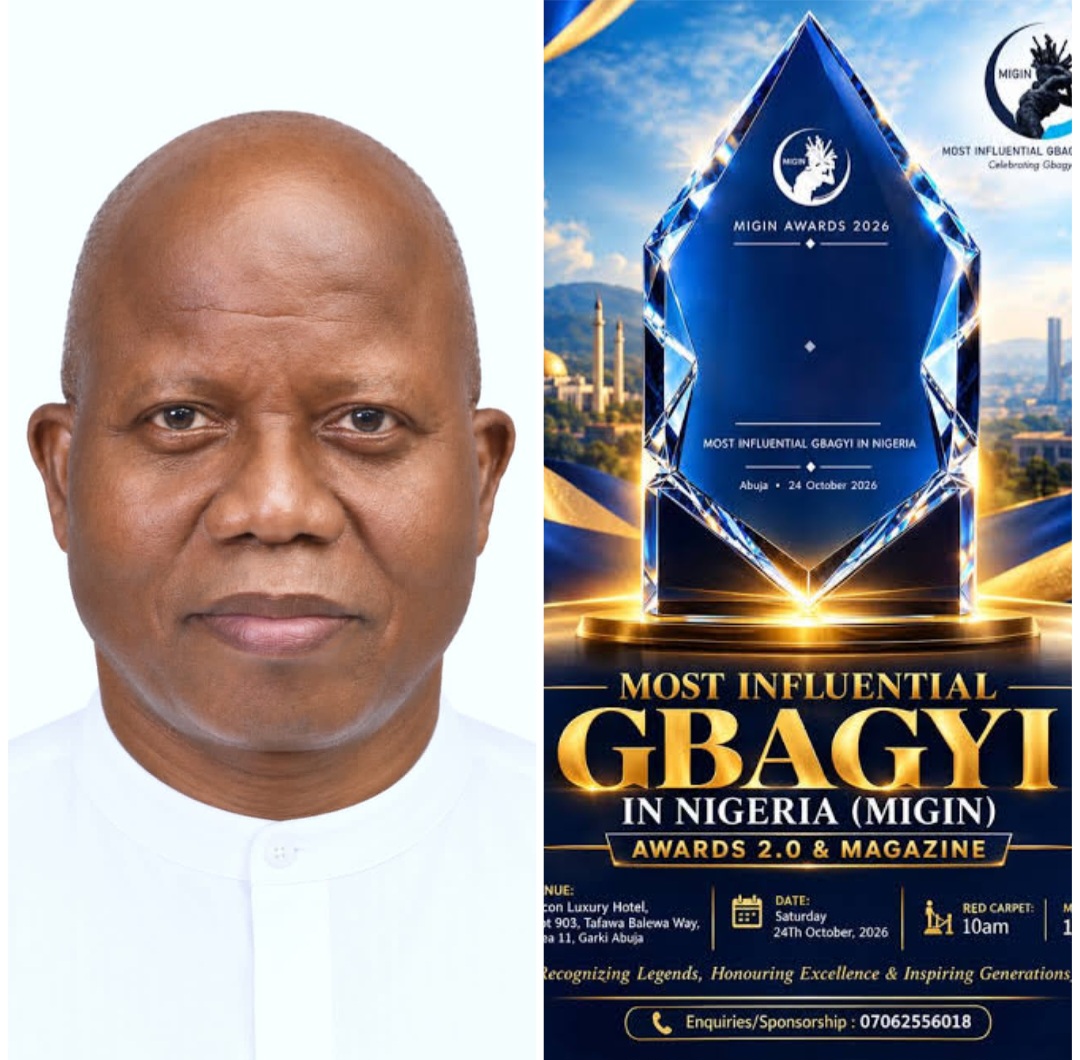
Ambassador Ayuba Jacob Ngbako has urged the Gbagyi/Gbari people to close ranks and pursue stronger political representation, cultural preservation and educational advancement, warning that disunity could undermine their collective interests.
Ngbako made the call on Saturday at the Most Influential Gbagyi in Nigeria (MIGIN) Awards and Magazine 2026, held at NICON Luxury, Abuja, where he served as Chairman of the Occasion.
The event, themed “Building the Gbagyi/Gbari Nation: Advancing Unity and Development Through Politics, Tradition, Religion and Education,” focused on the community’s role in governance, cultural identity and socioeconomic development.
Ngbako said the Gbagyi people had contributed significantly to the development of Abuja but needed greater political influence to ensure that their interests received adequate attention at different levels of government.
He urged the people to unite across the Federal Capital Territory, Kaduna, Niger, Nasarawa and Kogi states, stressing the need to translate their population and electoral participation into meaningful political representation.
“How do you build a nation without politics?” he asked, advocating greater participation in elective offices, legislative positions, ministerial appointments and local government leadership.
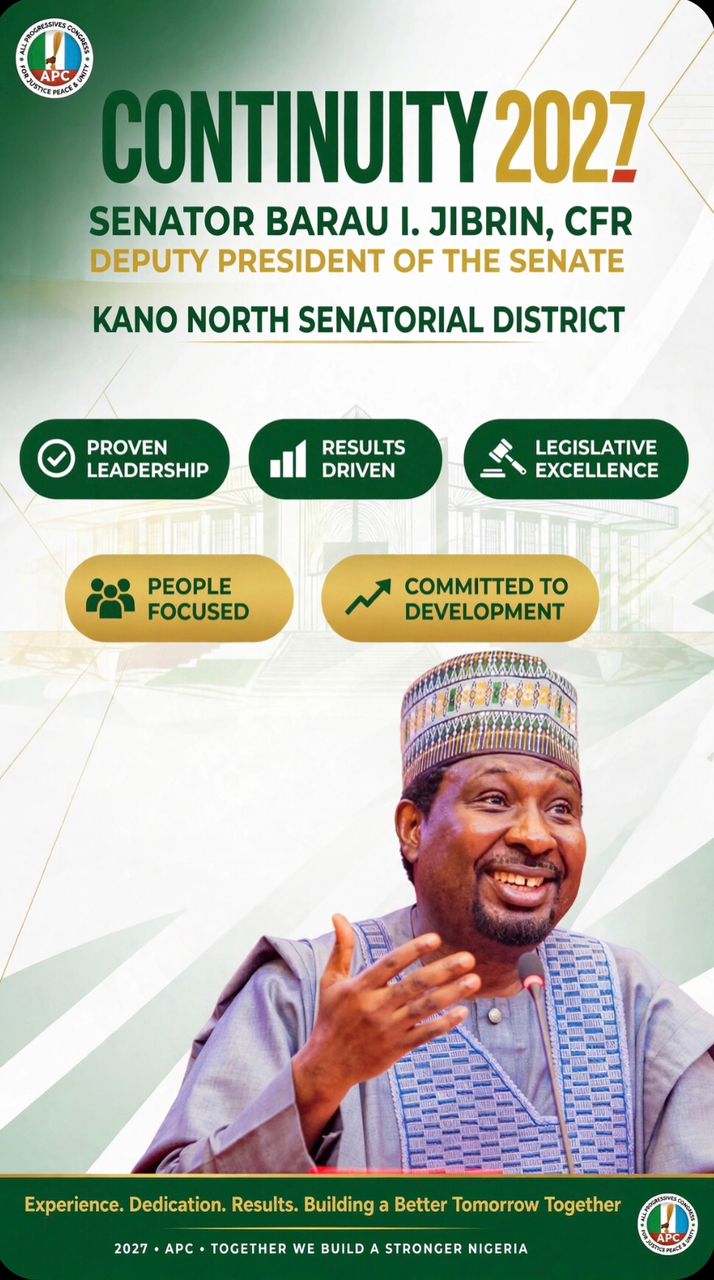
The chairman also called on Gbagyi people to support President Bola Tinubu and the All Progressives Congress (APC), urging them to back the party’s candidates in the FCT and other states.
He said stronger APC representation in the National Assembly would provide an avenue for sustained engagement with the Federal Government, particularly on the demand for an elected governor for the FCT.
Ngbako commended the Tinubu administration’s infrastructure projects in the territory, citing road construction in Bwari, Kwali, Abaji, Kuje and Gwagwalada, alongside educational interventions such as the Nigerian Education Loan Fund (NELFUND).
On cultural identity, he expressed concern over the declining ability of younger Gbagyi people to speak their indigenous language.
He called on parents to teach the language at home and urged traditional rulers, community leaders and educational institutions to intensify efforts to preserve Gbagyi history, customs and festivals.
He described the MIGIN magazine and awards as platforms for documenting the community’s heritage, recognising outstanding contributions and promoting a stronger sense of collective identity.
Ngbako further urged Christians and Muslims within the community to strengthen peaceful coexistence and use their religious institutions to advance social development.
He said the ability of people of different faiths to work together was essential to sustaining the Gbagyi tradition of hospitality and peaceful coexistence.
On education, he called for greater investment in children’s schooling, vocational training and digital skills, urging young people to take advantage of available opportunities, including NELFUND and the Three Million Technical Talent programme.
According to him, education would equip Gbagyi youths with the knowledge and skills needed to compete for opportunities, participate in governance and protect their communities’ interests.
He also highlighted the Tinubu administration’s economic reforms, agricultural initiatives, infrastructure investments and security measures, describing them as components of its national development agenda.
Addressing the award recipients, Ngbako challenged them to use their recognition to promote unity, mentor younger people, support disadvantaged children and contribute to community development.
He urged traditional institutions, religious leaders, politicians and professionals to work together towards a common vision for the Gbagyi/Gbari people.
Ngbako subsequently declared the 2026 MIGIN Awards ceremony open, expressing hope that greater cooperation across politics, tradition, religion and education would strengthen the community’s identity and development prospects.