Business and Economy
NSDC Boss Urges Policy Consistency to Boost Sugar Production, Create Jobs

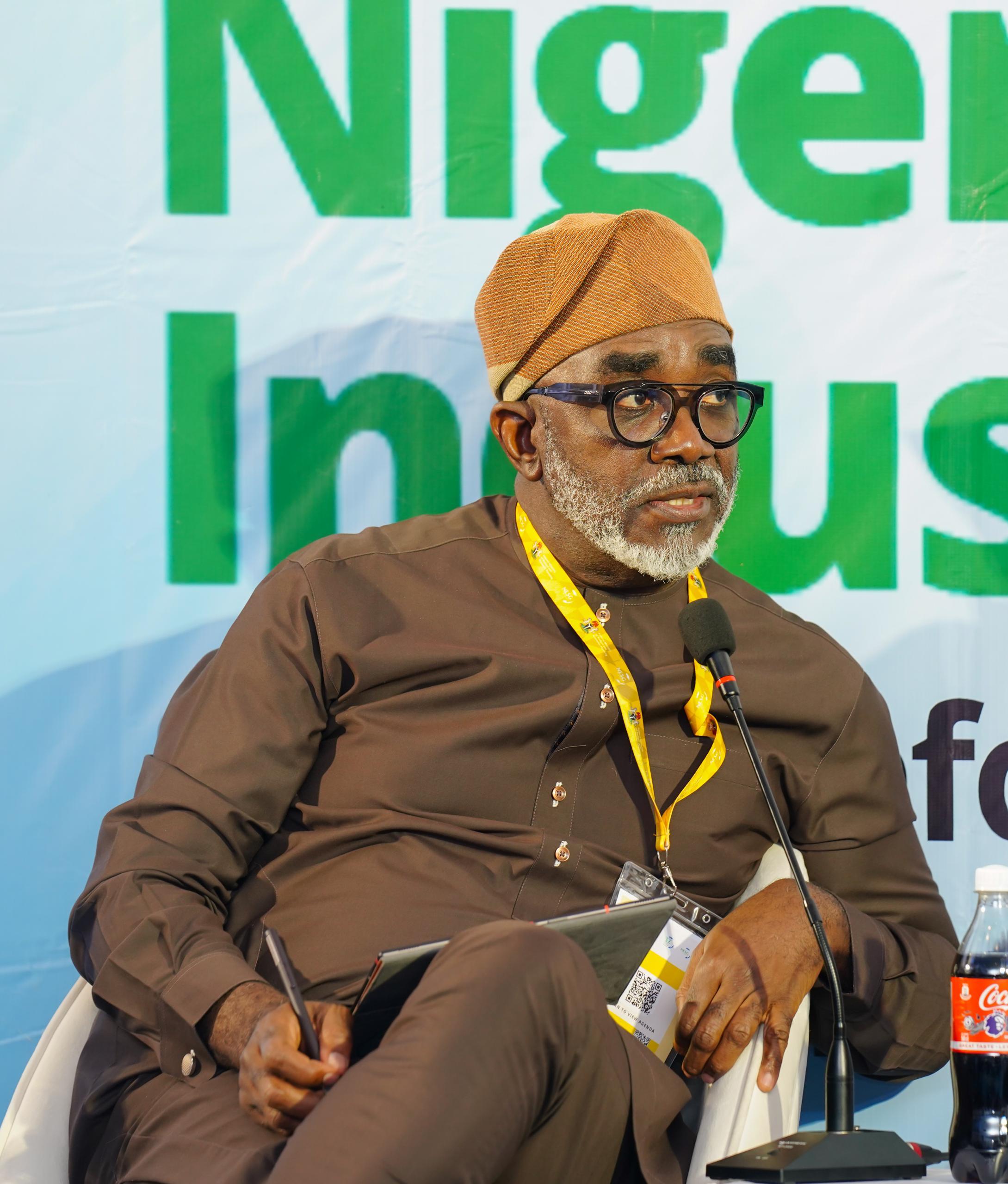
The Executive Secretary/CEO of the National Sugar Development Council (NSDC), Mr. Kamar Bakrin, says the bold macroeconomic reforms introduced by President Bola Ahmed Tinubu have made local sugar production attractive and paved the way for Nigeria to achieve self-sufficiency.
Mr. Bakrin stated this while speaking as a panelist at the 32nd Nigerian Economic Summit (NESG #32), during a session on “Strengthening Policy Coordination for the Non-alcoholic Drink Sector Competitiveness.”
He said the reforms had brought stability to the economy, adding that the next step was to translate that stability into growth that benefits ordinary Nigerians.
“Our most pressing priorities are well known: jobs, especially for young people; rural livelihoods; security, pressure on foreign exchange; food security; and the cost of living.
“Every Government must make choices among competing priorities. Our contribution as a Council is to make sure that, when those choices are made, the full economic picture of the sugar value chain is on the table. This is because very few sectors touch all of these priorities at once the way sugar does,” the NSDC boss said.
One Value Chain, From Cane Field to Bottle
Mr. Bakrin urged participants to view sugar and beverages as one value chain, “from the cane field to the bottle.”
He noted that the beverage industry is Nigeria’s largest industrial consumer of sugar, stressing that strengthening one sector also benefits the other.
Responding to the Summit’s theme of turning economic stability into growth that works for ordinary Nigerians, he said the sugar sector offers a practical pathway.

Under the Nigeria Sugar Master Plan (NSMP) 2.0, the goal is to achieve self-sufficiency in sugar production. Mr. Bakrin said achieving this target would save the country about US$1 billion in foreign exchange annually and create approximately 110,000 direct jobs, mostly in rural communities, on estates, in mills and on outgrower farms where smallholder farmers cultivate sugarcane for mills.
“The gains go beyond the factory gate. Sugar estates bring roads, schools, clinics and electricity generated from bagasse, the fibre left after cane is crushed. Sugarcane is also a source of fuel ethanol, bio-electricity and biodegradable packaging, which links to the circular-economy agenda this session is discussing,” he said.
He added that investors were responding positively, noting that brownfield investors had committed to delivering 1.22 million metric tonnes of sugar annually by 2030, two years ahead of the NSMP’s 2032 timeline.
He further disclosed that a pipeline of greenfield projects was expected to contribute an additional 830,000 metric tonnes annually by 2030.
Consistency Is the Bridge
Mr. Bakrin said investor confidence was very high but warned that sustaining it depended on policy consistency.
“A sugar estate takes at least four years from land clearing to full production, with capital committed long before the first tonne is sold.
Investors therefore look for stable demand and a predictable policy environment,” he told the audience.
He stressed that the Council fully supported the Government’s objectives, including its public-health goal of tackling non-communicable diseases.
“We are not asking anyone to choose between health and industry,” he said.
He added that investors considered two major factors when deciding whether to invest: the availability of stable demand for sugar and the predictability of the policy environment throughout the investment period.
“An investor making that decision looks at two things: will there be stable demand for this sugar, and will the policy environment be predictable over the life of the investment. So, every fiscal and regulatory decision that touches this value chain also sends a signal to the investors we are working hard to attract,” Mr. Bakrin added.
He proposed that any measure affecting the sugar and beverage value chain should be assessed for its implications for jobs, investment and the NSMP before being finalised.
He also recommended that such measures be introduced through established mechanisms and with a reasonable transition period.
A Commitment Both Ways
Mr. Bakrin said policy coherence was very important, adding that beverage manufacturers could help anchor demand for Nigerian-grown sugar through local offtake commitments, support for outgrower farmers, market data and investment in the Backward Integration Program (BIP).
“When Government protects the conditions for demand, and industry commits to local supply, the whole value chain grows, and the jobs stay in Nigeria,” he said.
He recommended that the Nigeria Industrial Policy Sectoral Competitiveness and Growth Initiative (NSCGI) adopt alignment with the Sugar Master Plan as one of its measures of success.
“When the sugar sector and the beverage sector grow together, Nigeria wins: on jobs, on foreign exchange, and on rural prosperity,” he concluded.
About the Nigeria Sugar Master Plan (NSMP) 2.0
The Nigeria Sugar Master Plan (NSMP) 2.0 is the country’s strategy for achieving self-sufficiency in sugar production.
Its implementation is projected to save about US$1 billion in foreign exchange annually and create approximately 110,000 direct jobs, largely in rural communities.
Brownfield investors have committed to delivering 1.22 million metric tonnes of sugar annually by 2030, two years ahead of the 2032 timeline, while greenfield projects are expected to contribute an additional 830,000 metric tonnes annually by 2030.