News
States Now Have More Resources to Work With — Senator Babangida

By Iyojo Ameh
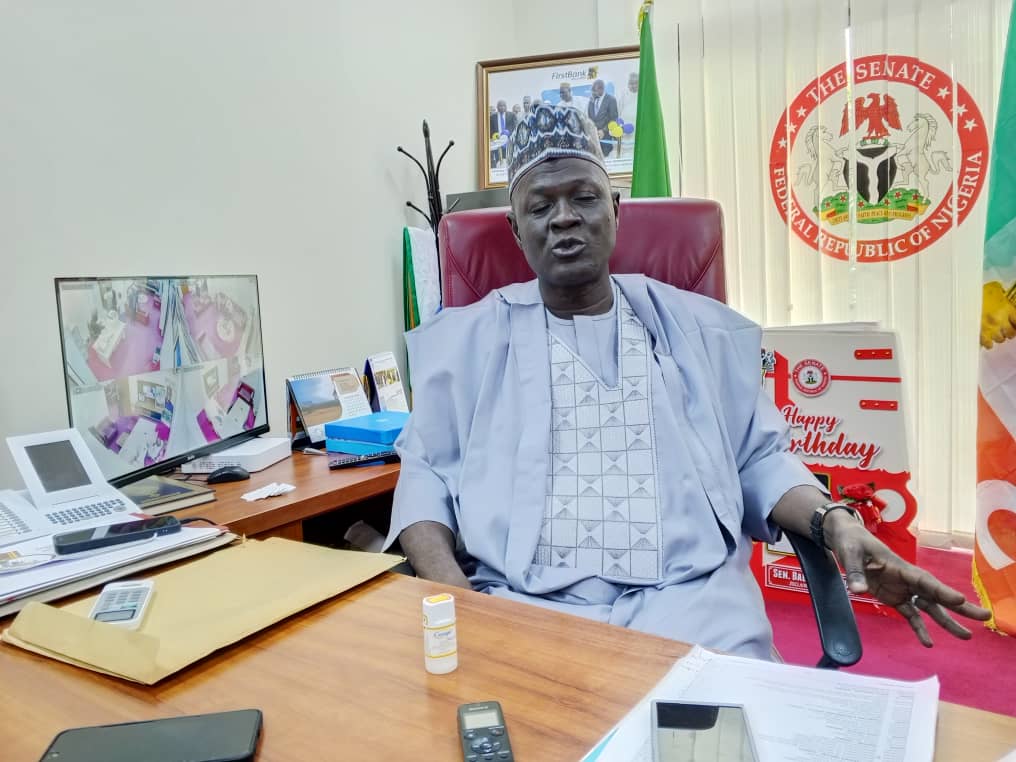
Senator Hussaini Babangida, who represents Jigawa North West in the Senate, has stated that the present administration’s economic reforms has improved the financial capacity of states and local governments.
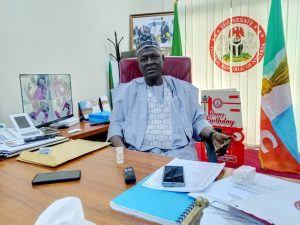
Speaking in an interview with citypost.ng in Abuja, Babangida said Nigeria’s pluralistic nature makes the fear of the country becoming a one-party state unfounded. According to him, the current administration is focused on repositioning the economy through both macroeconomic and microeconomic reforms.

The senator noted that Nigerians are gradually beginning to appreciate the policies introduced by the president, particularly in stabilising key economic indicators.
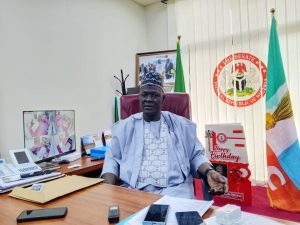
He explained that in the past, funds released to states for socio-economic development were limited despite the heavy responsibilities placed on state and local governments. Babangida said the situation has changed under the present administration.
According to him, allocations to states have increased significantly, giving them more resources to execute development projects and meet their obligations.

He added that the administration has also enhanced the financial capacity of local governments, strengthening their ability to operate effectively.
Babangida also pointed to improvements in the country’s economic indicators, noting that inflation has declined compared to figures recorded when the administration assumed office in 2023.
He cited data from the National Bureau of Statistics, saying headline inflation, which was about 34 per cent in 2023, has dropped to between 18 and 19 per cent, while food inflation has also moderated.
The lawmaker acknowledged that some Nigerians believe improvements in the macroeconomy have yet to significantly impact the microeconomic conditions affecting ordinary citizens. However, he maintained that economic reforms take time and that the benefits will gradually reach the grassroots.
“There are challenges, but they are expected during major reforms. The pains are temporary and will eventually give way to the benefits,” he said, urging Nigerians to remain patient as the reforms continue.
On political developments, Babangida dismissed concerns about internal tensions within political parties, saying parties are structured to manage competing interests and remain strong enough to accommodate members.
He also played down speculations about defections that may occur ahead of future party primaries, noting that political contests often involve different motivations, including testing popularity and offering public service.
When asked about his political ambitions ahead of the 2027 elections, the senator said he was focused on delivering effective representation to his constituents in the National Assembly, adding that the future would be determined in due course.
Babangida also commented on global tensions involving Iran, Israel and the United States, describing the situation as worrisome due to its potential impact on global energy supply.
He warned that the crisis could affect fuel prices and transportation costs, which in turn could influence the cost of food and other commodities in Nigeria.
According to him, while higher crude oil prices may bring some revenue benefits to oil-producing countries, the broader impact of conflict on the global economy could be significant.
The senator expressed hope that diplomatic dialogue would prevail over conflict, stressing the need for peaceful resolution of international disputes.