
News
The Shift of Brilliance: South East Rises, South West Struggles to Remember Its Legacy

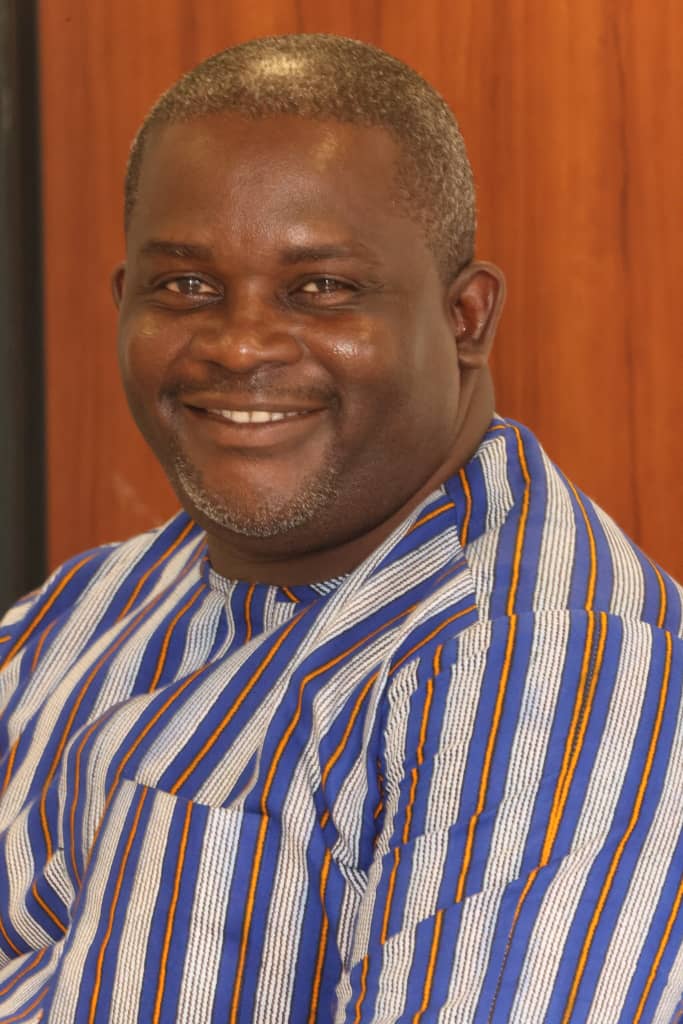
By Sam Agogo
I recently had a deep conversation with a brother from the South West, and his words carried the weight of disappointment. He was troubled that the region once known as the intellectual pride of Nigeria — the land of the first university, great scholars and thinkers — is now falling behind the South East in major examinations like WAEC and JAMB. For a people whose identity was built on knowledge and enlightenment, this decline is more than statistics; it is a stain on legacy.
For many years, the South West stood as the home of education, the South East was respected for business and industry, while the North held political power. But today, the tide has turned. The South East, once seen more as a land of traders, now dominates the academic space, while the South West struggles to remember the glory it once proudly wore.
The data is clear. In WAEC and NECO, the South East has consistently recorded the highest percentage of students scoring five credits including English and Mathematics. In 2021, almost 90% of candidates from the South East met this benchmark. Abia, Anambra, Imo and Enugu keep appearing in top national performance lists. Even in JAMB, though the highest individual scorers come from different regions yearly, overall excellence continues to favour the South East and South South.
So, what happened to the South West?
The decline did not begin in one day. Over time, complacency replaced commitment. The glory of the past became a pillow of comfort instead of a foundation for growth. Public schools that once produced brilliant minds are now weak — underfunded, abandoned, with unmotivated teachers, dilapidated classrooms and little supervision. Libraries are empty, laboratories are unused, and policies are inconsistent.
While books were neglected, distractions took over — social media obsession, entertainment, betting, shortcuts to wealth, online fraud and a growing disregard for discipline. Many parents, weighed down by economic hardship, no longer closely monitor the academic life of their children. The strong home-school-community partnership that once defined education in the South West has quietly faded.
But in the South East, education became a fight for survival and dignity. Families see education as a weapon, a future, a name. Parents sacrifice and deny themselves to see their children succeed. Churches, town unions and alumni associations offer scholarships, support schools and reward excellence. Even in rural areas, students attend extra lessons, complete assignments and are held accountable. Their schools may not be luxurious, but they have discipline, structure and purpose — and the results speak loudly.
This is not a call for rivalry. It is a call for responsibility. The South West must rise again — not in memory, but in action. It must rebuild public schools, train and pay teachers well, restore discipline, regulate substandard private schools, revive reading culture and make education a regional priority once more. Communities, traditional rulers, religious institutions and alumni must return to protect the heritage of learning.
If the South East could rise through sacrifice, the South West can return through humility and deliberate action. Nigeria cannot afford any region to collapse intellectually. Education built the South West. Discipline now elevates the South East. And the future belongs to those who refuse to take knowledge for granted.
For Comments, Reflections and Further Conversation:
📩 Email: samuelagogo4one@yahoo.com
📞 Phone: +234 805 584 7364