
Business and Economy
Women Must Move From Consumers to Producers, NCBC Tells Entrepreneurs

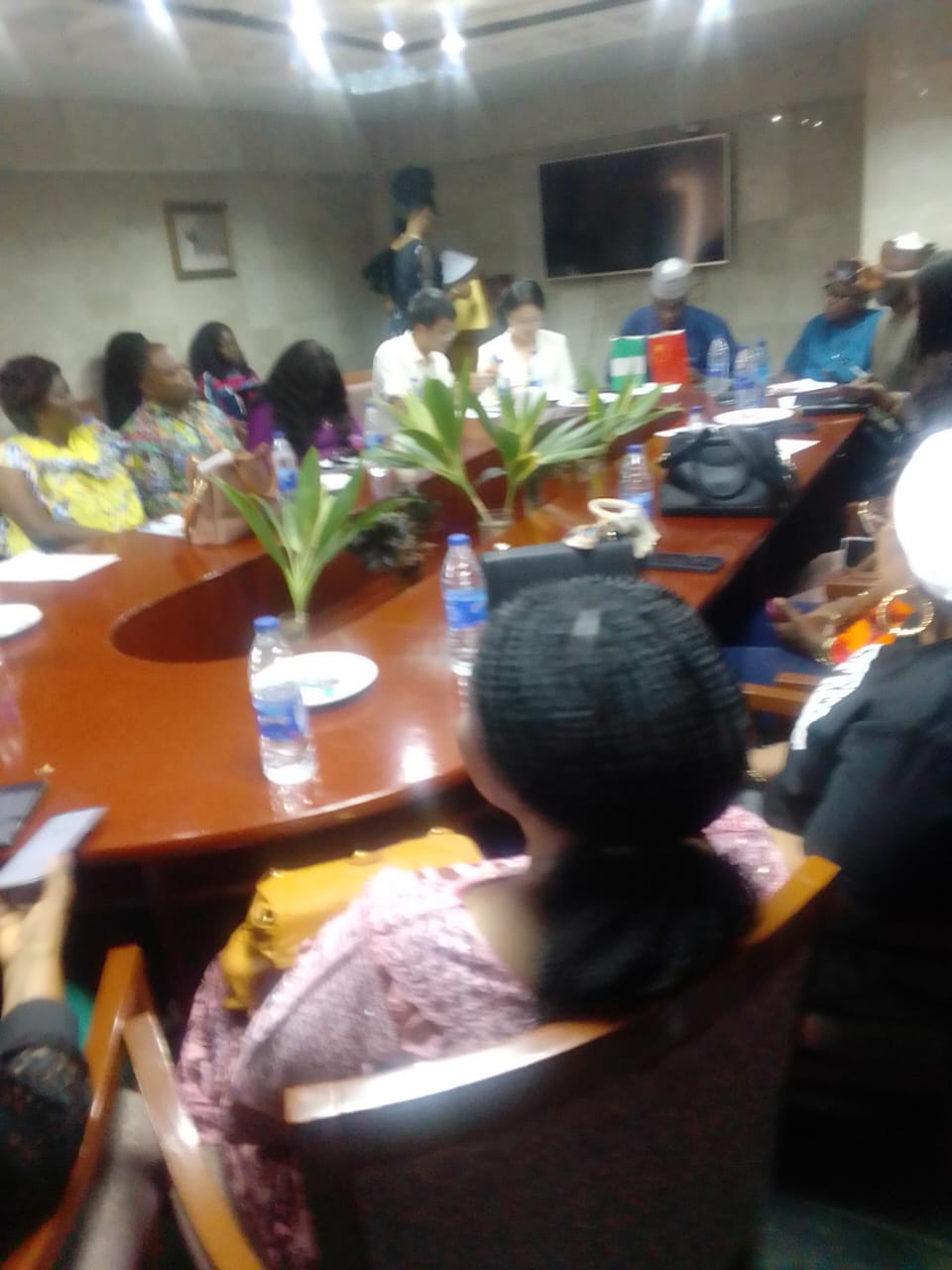
The Nigeria Investment Promotion Commission (NIPC) has advised women entrepreneurs to believe in the value of their ideas and take advantage of government business intervention programmes aimed at promoting economic empowerment and transformation.
The Executive Secretary of NIPC, Ms. Aisha Rimi, gave the advice in Abuja at a forum organised by the Nigeria-China Business Council (NCBC), where she described women as key drivers of national economic development and stressed the need for their effective participation in growing Nigeria’s trade and investment.
Rimi, who was represented by a Deputy Director in NIPC, Mrs. Victoria Aigbedion, said the Commission would continue to support initiatives aimed at promoting women’s inclusion in economic development.
She also identified various business opportunities and advantages Nigerian women entrepreneurs could benefit from through China, urging them to embrace technology to improve productivity and expand their businesses.
Speaking on the theme, “The Role of Women and the Benefits of Nigeria-China Bilateral Business Relations,” the National Coordinator of NCBC, Dr. Sam
Agbi, highlighted the contributions of women to economic development and stressed the need for them to become stronger economic actors, innovators and leaders.

Agbi said the Nigeria-China Business Council was not established simply to encourage importation, noting that its vision was broader and more strategic.
According to him, the Council believes the Nigeria-China relationship must translate into investment, manufacturing, technology transfer, skills acquisition, job creation, entrepreneurship development, industrialisation and sustainable economic growth.
He said the Council had, over the years, organised and facilitated trade missions, investment forums, business matchmaking programmes, seminars and engagements between Nigerian and Chinese entrepreneurs and institutions.
He added that its activities had also focused on connecting members with suppliers, investors, manufacturers and business opportunities, while promoting stronger economic cooperation between the two countries.
“Our journey has produced visible and tangible results. Through our networks and engagements, companies such as Skyrun and other Chinese enterprises have been attracted and connected to opportunities in Nigeria as part of the broader effort to promote investment, manufacturing and commercial partnerships,” he said.
Agbi further disclosed that the Council had recently reported efforts that helped attract significant investment interest and commitments into Nigeria, demonstrating that purposeful business diplomacy could produce measurable economic outcomes.
He cited the Council’s flagship programme and advocacy initiative, “From Trade to Transformation,” as well as the Investment Roundtable held with investors from Shanghai, China, in Abuja, Kano and Lagos, as some of its testimonials.
However, he said much more needed to be done, particularly in empowering women to play a greater role in business and nation building.
“There is no serious discussion about economic development without recognising the indispensable role of women. Women are not only participants in the economy; women are builders of economies,” Agbi stated.
He noted that women manage businesses, create markets, provide leadership, nurture families, educate children and sustain communities, while contributing immensely to agriculture, trade, manufacturing, services, technology and the creative economy.
According to him, a woman who succeeds in business does not succeed alone, as she creates employment, strengthens families, educates children, inspires communities and contributes to national development.
He stressed that empowering women economically should not be seen as charity but as an economic strategy.
“When women have access to knowledge, finance, markets, technology and international partnerships, they become stronger contributors to national prosperity,” he said.
On Nigeria-China relations, Agbi said the partnership presented enormous possibilities for Nigerian women entrepreneurs, particularly in manufacturing, technology, e-commerce, agriculture, textiles, renewable energy and small-scale enterprise development.
He said the bilateral relationship could provide Nigerian women with access to new markets, technology and innovation, skills and capacity development, manufacturing partnerships, machinery and equipment, international sourcing opportunities, business networking, investment partnerships and greater participation in global value chains.
He, however, noted that opportunities would not come to those who merely waited, stressing that “opportunities respond to preparation.”
Agbi urged Nigerian women to move from being merely consumers to producers, importers to manufacturers, small business operators to owners of scalable enterprises, and from local markets to regional and international markets.
He also challenged women entrepreneurs to believe in the value of their ideas, noting that every great enterprise started with an idea and every successful entrepreneur started somewhere.
“Nigeria needs women entrepreneurs who will think beyond today’s challenges and prepare for tomorrow’s opportunities, and the Nigeria-China Business Council remains committed to building bridges between Nigerian businesses and genuine Chinese partners,” he said.
He explained that the NCBC would continue to promote investment, facilitate business engagements, encourage technology transfer, support entrepreneurship and create platforms for meaningful economic cooperation.
Agbi said the future of Nigeria-China business relations should not be measured only by the volume of goods traded between the two countries but also by the factories built, technologies acquired, skills developed, businesses established, jobs created and lives transformed.
He stressed that women must be at the centre of this transformation.
“Let this Forum become more than a gathering. Let it become a movement. A movement for stronger women, a movement for stronger businesses, and a movement for stronger Nigeria-China economic cooperation,” he said.
He thanked the strategic partner, Women Inspire Africa, as well as the distinguished guests, speakers, entrepreneurs, investors and other participants for being part of the forum.
Agbi said the Nigeria-China Business Council would continue to support efforts aimed at inspiring women entrepreneurs to actualise their business ideas for economic growth and empowerment.
Other speakers at the forum commended the NCBC for organising the event and emphasised the need for women to have access to business financing, infrastructure and technology to enable them contribute their quota to national economic development.
The women’s business parley was attended by representatives of trade associations, women entrepreneurs and other stakeholders in Nigeria’s economic sector.