General News
2027 Polls: IGP Warns Journalists Against ‘First To Report’ Race

By Iyojo Ameh
The Inspector General of Police, Olatunji Rilwan Disu, has urged journalists to put accuracy ahead of speed in reporting security incidents ahead of the 2027 general elections, warning that unverified information could heighten tension and undermine public confidence.
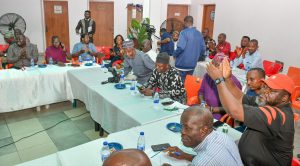
Disu gave the warning on Wednesday in Abuja at a one day capacity building workshop on responsible security reporting organised by the Nigeria Union of Journalists, FCT Council.

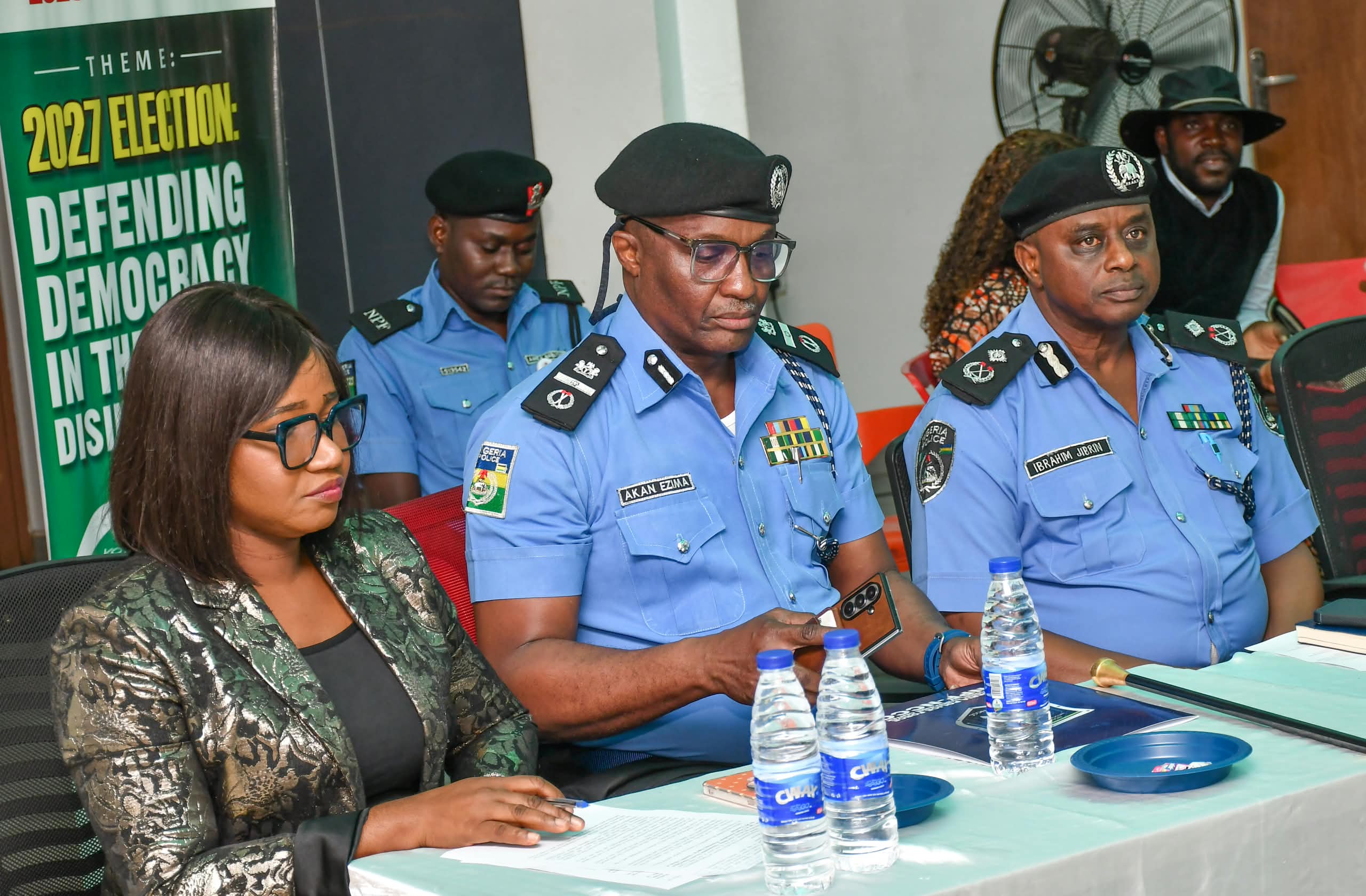
Represented by the Director of the National Cybercrime Centre, AIG Akaninyene Ezimma, the police chief said journalists had a crucial role in election security because their reports could influence how citizens perceive unfolding events.
“The media has the power to shape how Nigerians understand what is happening around them. That power must be exercised with responsibility,” he said.
Disu said the emergence of AI generated content and the rapid circulation of digital material had made verification increasingly important.
He identified old photographs, recycled videos, fabricated statements and artificially generated content among materials that could be used to spread false narratives, create fear and trigger confrontation.
The IGP urged journalists to adopt the principle, “Stop! Check! Confirm! Report!”, stressing that the desire to break news first should not override the obligation to publish accurate information.
He described election security as a shared responsibility between the media and law enforcement agencies and urged journalists to seek confirmation from authoritative sources before publishing sensitive security reports.
The Commissioner of Police, FCT Command, Ahmed Muhammed Sanusi, represented by DCP Ibrahim Jibrin, also urged journalists to verify information while assuring them that the police would remain accessible to legitimate media inquiries.
Sanusi said security reporting could help calm tensions and promote public understanding when handled responsibly, but inaccurate or sensational reports could contribute to fear, panic and distrust.
Chairman of the NUJ FCT Council, Comrade Grace Ike, said the workshop was organised to equip journalists with the skills required to report security issues responsibly in an era of citizen journalism and rapid information sharing.
Ike said journalists must balance the public’s right to know with the professional responsibility to avoid causing harm, particularly when reporting incidents involving security, violence or vulnerable communities.
She identified verification of eyewitness material, source protection, contextual reporting, digital literacy and ethical restraint as key areas requiring greater attention ahead of the elections.
The NUJ FCT chairperson also urged security agencies to provide timely and transparent information to the media while respecting press freedom.
Retired Commissioner of Police, Lawrence Alobi, called for expanded digital literacy and fact checking initiatives, particularly for citizen journalists who increasingly provide information during breaking news situations.
Other resource persons, including former NUJ Chairman Abduljelil Adebayo and Deputy Director of the Centre for Journalism Innovation and Development, Busola Ajibola, urged newsrooms to clearly distinguish official information from unofficial claims.
They advised journalists to label unverified material, avoid sensational headlines that could inflame ethnic or religious tensions and protect vulnerable sources.
They also called for stronger newsroom verification systems and mental health support for journalists covering traumatic security incidents.
Organisers said the workshop was designed to strengthen cooperation between journalists and security agencies and ensure that reporters know where to obtain authoritative information before publishing sensitive security reports.
They said the initiative was particularly important ahead of the 2027 elections, when accurate and responsible reporting would be essential to informed public participation and peaceful democratic processes.