General News
Ahead of 2027 Polls, Nigerian Youths Sound Alarm Over Democratic Trust Deficit, Women’s Exclusion

By Iyojo Ameh
Young Nigerians have expressed growing concerns over declining confidence in democratic institutions, the continued marginalisation of women in politics, and weak civic engagement, warning that these challenges could undermine meaningful participation in the 2027 general elections.

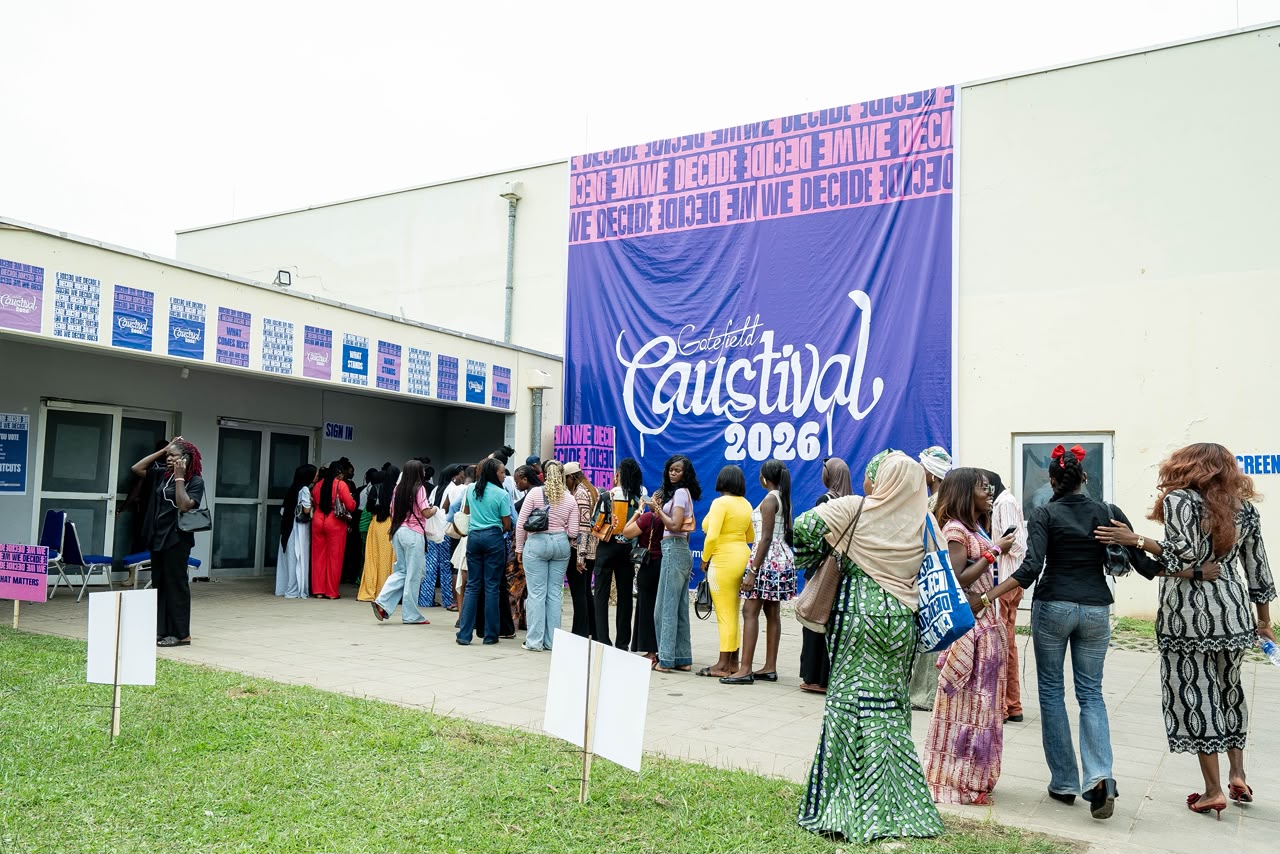
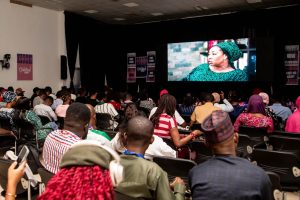
The concerns dominated discussions at Gatefield Caustival 2026, a social justice arts and film festival held in Abuja to mark Democracy Day, where hundreds of young people gathered under the theme “We Decide” to examine the state of Nigeria’s democracy and their role in shaping its future.

The festival brought together artists, filmmakers, activists, researchers and citizens in a series of exhibitions, film screenings, performances and panel discussions focused on power, governance, inclusion and civic responsibility.
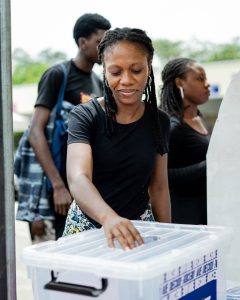
A dramatic mock voting exercise, deliberately disrupted by organisers, emerged as one of the event’s most memorable moments. The exercise was designed to provoke reflection on electoral integrity, voter confidence and the vulnerabilities within democratic systems.
Throughout the festival, participants repeatedly returned to three key issues: the shrinking trust between citizens and political institutions, the barriers limiting women’s participation in public life, and the need for stronger civic and historical awareness among Nigerians.
Speakers argued that while elections remain a cornerstone of democracy, broader social and institutional reforms are needed to make citizens feel represented and heard.
Discussions on women’s participation highlighted how online harassment, political violence and entrenched cultural norms continue to discourage women from seeking leadership positions or participating actively in public affairs.
Producer of the documentary Double Minority, Nabilah Usman, said digital abuse has become a major obstacle for women attempting to build public profiles or influence conversations online.
“Digital violence makes women leave the digital space, which means they can’t be out there to talk about their work, campaign for themselves and make money,” she said.
Gender justice advocate Fakhriyyah Hashim noted that women aspiring to public office often face intimidation that extends beyond the internet.
“These physical threats, digital threats, they take a toll on women’s mental health when they want to run for office,” she said.
Contributors also challenged the notion that access to funding is the principal barrier preventing women from entering politics.
According to Solape Sonuga, Curator of the Abuja Global Shapers, the problem is deeply rooted in social attitudes and gender inequality.
“The overall barrier to women’s participation in politics is not money,” she said. “It is a cultural problem rooted in gender disparity.”
Beyond representation, participants stressed the importance of civic education in building a stronger democratic culture.
Documentary producer and cultural archivist Salma Ja’eh argued that greater knowledge of Nigeria’s political history could encourage citizens to engage more actively in governance.
“If we actively go out of our way and seek knowledge about Nigeria’s political history, it will make you want to sit up,” she said.
The discussions also examined the strained relationship between elected officials and the electorate, with participants arguing that politicians often disengage from citizens once elections are over.
Hashim observed that this disconnect fuels public distrust and encourages transactional politics.
“People extract as much as they can from politicians because they know they only see them once every four years,” she said.
Organisers said the festival sought to create a platform where art, storytelling and civic dialogue could inspire critical conversations about the future of democracy in Nigeria.
With less than a year before political campaigns for the 2027 elections begin in earnest, the conversations at Caustival 2026 reflected a growing determination among young Nigerians to demand a more inclusive
accountable and participatory democratic system, one that extends beyond the ballot box and addresses the deeper social realities shaping the nation’s political future.