
General News
Shocking Details Emerge in Edwin Clark’s Will: Wives Excluded

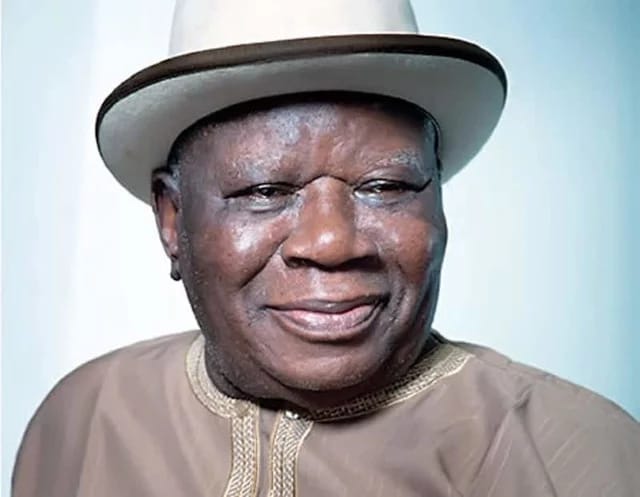
The late Ijaw leader and elder statesman, Chief Edwin Clark, was a lawyer, politician, and a towering voice for the Niger Delta. Between 1966 and 1975, he served under the administrations of former military governor Samuel Ogbemudia and Head of State, Gen. Yakubu Gowon.
Until his passing in February 2025 at the age of 97, Clark remained an outspoken advocate for justice and emancipation, particularly for the Niger Delta people. He also founded Edwin Clark University in 2015.
Though regarded by some as controversial, those who worked closely with him described him as a fearless and uncompromising figure who never kept silent in the face of tyranny—an image echoed in the words of Nobel laureate Prof. Wole Soyinka.

However, controversy has resurfaced following the unveiling of his Will, which contained startling provisions.
According to the document, sighted by Society Watch, Clark left behind billions of naira across several bank accounts and numerous properties across Nigeria. But in a surprising move, he excluded his three wives—Mrs. Elizabeth Kofo Clark, Mrs. Theresa Clark, and Mrs. Abisola Sodipo-Clark—from his list of beneficiaries.
When the Will, titled “The Last Will and Testament of Chief (Dr.) Edwin Kiagbodo Clark”, was read in June 2025 by Miss M. A. Akujobi of M. A. Akujobi & Co., Legal Practitioners, Effurun/Warri, Delta State, it was revealed that the wives were deliberately left out. The reason given was that they had been “constructively divorced,” having lived apart from him for years after he reportedly sent them away, declaring they were “no longer useful to him.”

Instead, Clark appointed Dr. C. C. Clark, Mrs. Koshare Clark-Omoudoye, Prof. Victor Esekumemu Clark, and Barr. Andrew A. Bekederemo—all from the Bekederemo-Ogein family of Kiagbodo, Delta State—as Executors of the Will. Their responsibilities are to be funded from the estate.
The Will named his 15 children as primary beneficiaries. Additionally, Clark directed that his nephews and nieces who had been benefiting from his support—through education, employment, or otherwise—should continue to do so until they complete their tertiary education. Those already employed or found guilty of dishonest practices, however, would be excluded.
In another directive, Clark declared that his properties in Kiagbodo and elsewhere identified as his should remain family houses, accessible to all his children whenever they visit.
He also added a strict condition: any child who fails to visit Kiagbodo for three consecutive years would forfeit their entitlements from his estate for that period, except in cases where the child resides outside Nigeria.