
Entertainments
Fashion and Creative Industry Poised to Become Africa’s Next Major Economic Driver — Stakeholders …Sector capable of generating over $30 billion by 2030

By Iyojo Ameh
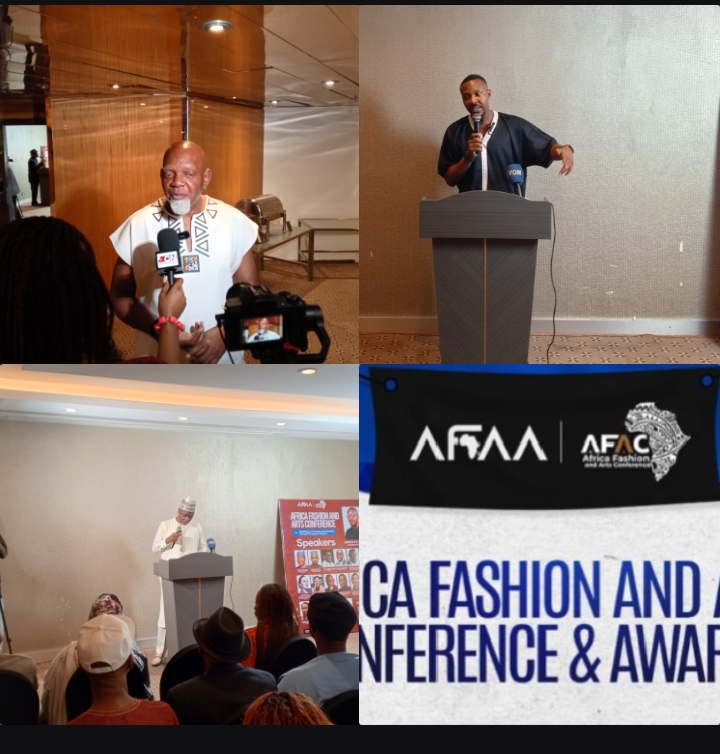
Stakeholders in Nigeria’s fashion and creative ecosystem say the industry is positioned to become Africa’s next major economic growth pillar, with the potential to generate over $30 billion before 2030. This projection was shared during the Africa Fashion and Arts Conference (AFAA) held in Abuja on Friday.
Speaking at the opening session, the Founder and Convener of AFAA, Mr. Kingsley Amako, said the conference was designed to provide a unified platform for dialogue, collaboration and capacity-building among emerging and established voices in the industry.
Amako noted that the fashion industry has evolved beyond aesthetics into a structured value chain capable of creating jobs, wealth and global cultural influence.
“Fashion and arts are no longer side interests. They are legitimate industries with the capacity to compete with medicine, law and other traditional professions. From the moment a child is born, the first product they engage with is textile,” he said.
He added that with over 8 billion people globally wearing clothing daily, fashion remains one of the most indispensable industries with limitless potential.

Delivering a keynote presentation, Mr. Sola Oyebade, CEO of Fashion Finders Africa and Mahogany International, said Africa’s fashion industry is already valued at over $31 billion, according to the African Development Bank.
He projected that the sector could grow to $50 billion by 2030, surpassing the combined economic value of the continent’s film and music industries.
“Africa has the youngest population in the world. With 70% of our people under 30, the future belongs to young creatives. The next generation of billionaires will emerge from fashion, technology, tourism and content,” Oyebade said.
He highlighted the role of social media, digital manufacturing and global fashion partnerships in reshaping production, marketing and access to international markets.
Representing the Federal Ministry of Industry, Trade and Investment, Alhaji Mouhktar Abdullahi reaffirmed government’s commitment to strengthening policies that support the creative economy, enhance exports and empower SMEs.
“This platform aligns with the Federal Government’s agenda to expand non-oil exports and build a competitive creative industry capable of contributing to sustainable national growth,” he stated.
He said the ministry would continue working with industry actors to boost local production and expand market opportunities for Made-in-Nigeria products.
Representing the Director-General of the National Institute for Hospitality and Tourism (NIHOTOUR), Maryam Inuwa described the creative and tourism sectors as inseparable engines of economic transformation.
“Fashion drives tourism, cultural storytelling and youth empowerment. We commend the organisers for sustaining this space for African creatives,” she said.
Similarly, delivering the keynote address on digital innovation and cultural identity, Dr. Uche Nwadozie, representing the Director-General of the National Gallery of Art, said technologies such as AI, blockchain, digital museums and virtual galleries are reshaping how art is produced, preserved and consumed.
“The future of African art is not only digital, it is cultural. Technology must not replace our heritage; it must expand it,” he said.
The conference also featured technical sessions on: Intellectual property and creative monetization, fashion entrepreneurship,digital arts and AI and creative styling and visual art masterclasses.
International facilitators from South Africa and Cape Town are expected to lead workshops later today, ahead of the Africa Fashion and Arts Awards scheduled for 6 p.m.
Participants described the event as a strategic step toward elevating African creativity to the global stage while building sustainable value chains for fashion, arts and cultural production.