General News
NiMet, C-WINS Seal Partnership to Drive Climate-Smart Solutions in Nigeria


By Iyojo Ameh
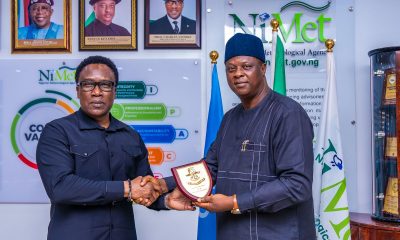
The Nigerian Meteorological Agency (NiMet) has entered into a strategic partnership with the Centre for Well-being and Integrated Nutrition Solutions (C-WINS) to strengthen climate action in Nigeria through integrated solutions that address climate change, public health, food security, soil health, and community resilience.
The agreement will see both organizations roll out early-warning systems tailored for local farmers, enabling them to respond proactively to adverse weather conditions. They will also co-host community workshops on climate-smart agriculture, training farmers in adaptation techniques that make use of real-time climate data. The initiative is aimed at boosting crop yields in rural communities while reducing climate-related health risks through timely alerts to farmers and health workers.
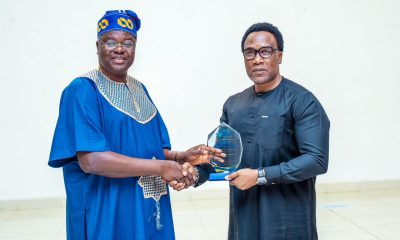
Speaking at the signing event, NiMet’s Director-General/CEO, Prof. Charles Anosike, emphasized the importance of embedding climate intelligence into everyday decision-making.
“By integrating climate information into health, food, and agricultural systems, we can reduce risks, strengthen nutrition security, improve soil health, and enhance resilience to disasters,” Anosike said. He reaffirmed NiMet’s commitment to providing accurate meteorological data and tailored forecasts as the foundation of the collaboration.
Also speaking, Dr. Mahmud Mustafa, Head of Missions at C-WINS, praised NiMet’s progress and pledged that C-WINS would take climate intelligence directly to the grassroots.

“C-WINS will leverage NiMet’s data to design practical training for health workers and engage directly with farming communities. Our focus is to ensure that climate information is accessible, actionable, and responsive to local needs,” he stated.
Through this partnership, both institutions aim to build climate-resilient communities where farmers can increase productivity, health workers can better anticipate risks, and rural populations are better prepared to adapt to the realities of a changing climate.