
International
Tension in Katsina as Nigerien Army Convoy Enters Nigeria Illegally and Opens Fire

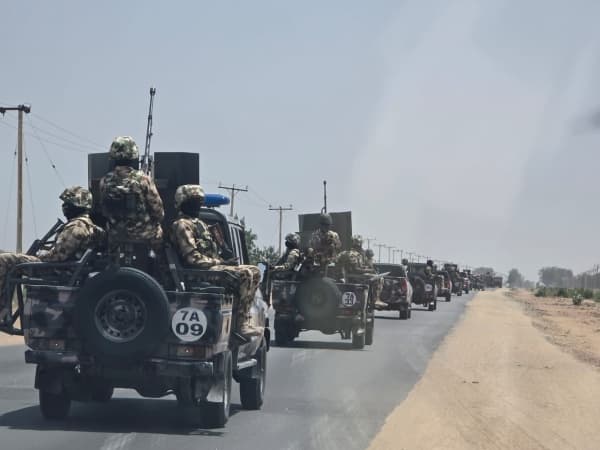
A fresh wave of concern has swept through Katsina State following an unauthorized incursion by military personnel from the Republic of Niger into Nigerian territory, an incident that has further intensified calls for stronger diplomatic and security collaboration between the two neighbouring nations amid escalating instability in the Sahel.
According to security sources cited by Zagazola Makama, a convoy consisting of four Nigerien military gun trucks and a Toyota Jeep, led by Captain Salifou Mono, crossed into Mazanya Village in Jibia Local Government Area around 2:00 p.m. on Saturday. The troops reportedly began firing sporadically upon entry, causing fear among residents, as the convoy was heavily armed.
Joint Nigerian security forces—including troops of Operation FANSAN YANMA, the police, DSS, and members of the Civilian Joint Task Force—swiftly traced the Nigerien soldiers and escorted them back to the Danmasani border crossing. The Nigerien commander later apologised for the unauthorized operation and assured that such an incident would not happen again.
Zagazola noted that the illegal entry highlighted the vulnerability of the Nigeria–Niger border corridor, particularly as jihadist activities intensify across the Sahel. While Nigeria has recently appointed ambassadors to strengthen ties with neighbouring states, experts argue that deeper cooperation is needed, especially in coordinating military efforts along shared borders.
He further emphasized that, with active counter-terrorism campaigns ongoing on both sides—Nigeria’s Operation Farautar Bauchiya and Operation Fansan Yanma, as well as Niger’s battles against ISGS, JNIM, and other Al-Qaeda-linked groups—there is a pressing need for more structured and harmonised joint operations.
Zagazola warned that inadequate coordination between the two countries’ forces could result in civilian harm, miscommunication, or unintended clashes similar to the Mazanya incident. He stressed the importance of clearer communication channels, shared intelligence, and synchronised border operations, especially as Al-Qaeda and Islamic State affiliates—including Boko Haram and ISWAP—seek to exploit poorly governed spaces stretching from southern Libya through Niger into Nigeria’s North-West.

He insisted that both nations must urgently establish protocols for cross-border hot pursuit, joint patrols, and real-time information exchange to prevent mistaken incursions and reinforce the fight against terrorism.
Given the shared threats of banditry, extremism, and infiltration, Zagazola argued that only a coordinated and comprehensive strategy can safeguard border communities and sustain stability. Saturday’s incident, he said, should stand as a firm reminder that enhanced diplomacy and joint security cooperation are not optional but essential to countering the expanding network of Sahelian insurgents.