
Business and Economy
NEPZA Pushes for 10-Year Tax Exemption for Investors in Special Economic Zones

The Nigeria Export Processing Zones Authority (NEPZA) has appealed to the Federal Government to exempt all operators in the Special Economic Zones (SEZs) from the recently introduced tax laws for a minimum of ten years, allowing them ample time to adapt their operations to the new regulatory framework.
The Authority explained that the request became necessary due to growing concerns raised by operators across local and international platforms—concerns that could negatively impact efforts to attract Foreign Direct Investment (FDI) through the scheme.
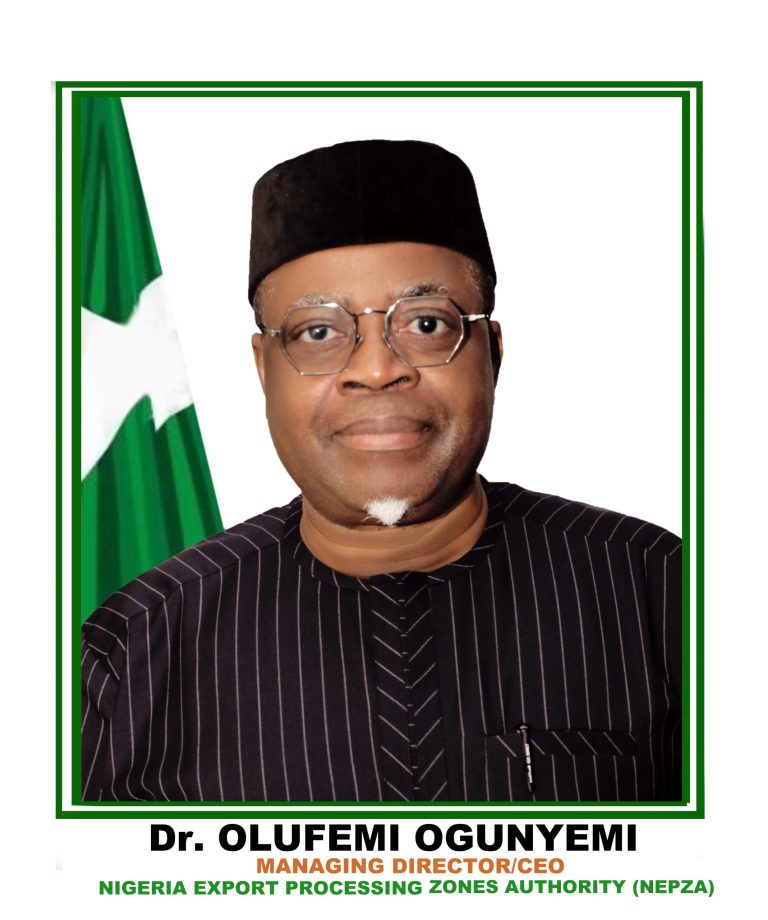
Managing Director of NEPZA, Dr. Olufemi Ogunyemi, made the appeal during a virtual stakeholder meeting organized by the Federal Ministry of Industry, Trade & Investment in Abuja.
Ogunyemi, who also serves as NEPZA’s Chief Executive Officer, noted that tax incentives form the core of the scheme. He emphasized that granting a reprieve would ensure stability, predictability, and stronger backward linkages with the local economy.
Represented by the Director of Corporate Services, Mrs. Haleema Sani Kamba, the NEPZA boss said the country could achieve a balance between revenue generation and the incentive framework promised under the scheme by approving at least a 10-year “sunset period” for tax relief.
> “The Managing Director/CEO has directed me to present this special appeal to the Chairman of the Federal Inland Revenue Service, seeking a sunset period of about 10 years for all our investors. We hope the Chairman will consider this in the best interest of the scheme. He has asked that I restate this request, just as he previously did.”

She reaffirmed that NEPZA remains aligned with the Renewed Hope Agenda of the current administration, committed to driving growth and efficiency within the Free Trade Zone ecosystem, which she described as central to achieving sustainable economic expansion and industrialisation.
> “Our 63 Free Trade Zones and more than 700 enterprises operating within them remain vital pillars of Nigeria’s industrial and export strategy. The revenue potential is enormous if the zones continue to operate under the global tax model, offering a blend of incentives that attract and retain investors.”
Ogunyemi added that Nigeria remains open for business, and NEPZA will continue to collaborate with the FIRS and other stakeholders during this transitional phase to uphold investor confidence and maintain competitiveness.
The Managing Director further highlighted the importance of clarity and consistency in the tax framework as investors prepare their business plans for 2026, noting that the stakeholder forum demonstrated the government’s commitment to transparency and partnership.
In her remarks, Minister of Industry, Trade & Investment, Dr. Jumoke Oduwole, underscored the significance of ongoing reforms across the National Revenue System, the Special Economic Zones’ incentive structure, and updated Financial Reporting Council compliance—reforms she said are essential to strengthening Nigeria’s trade, investment climate, and economic growth.