
General News
Calls for INEC Chairman’s Resignation Premature, Says Analyst

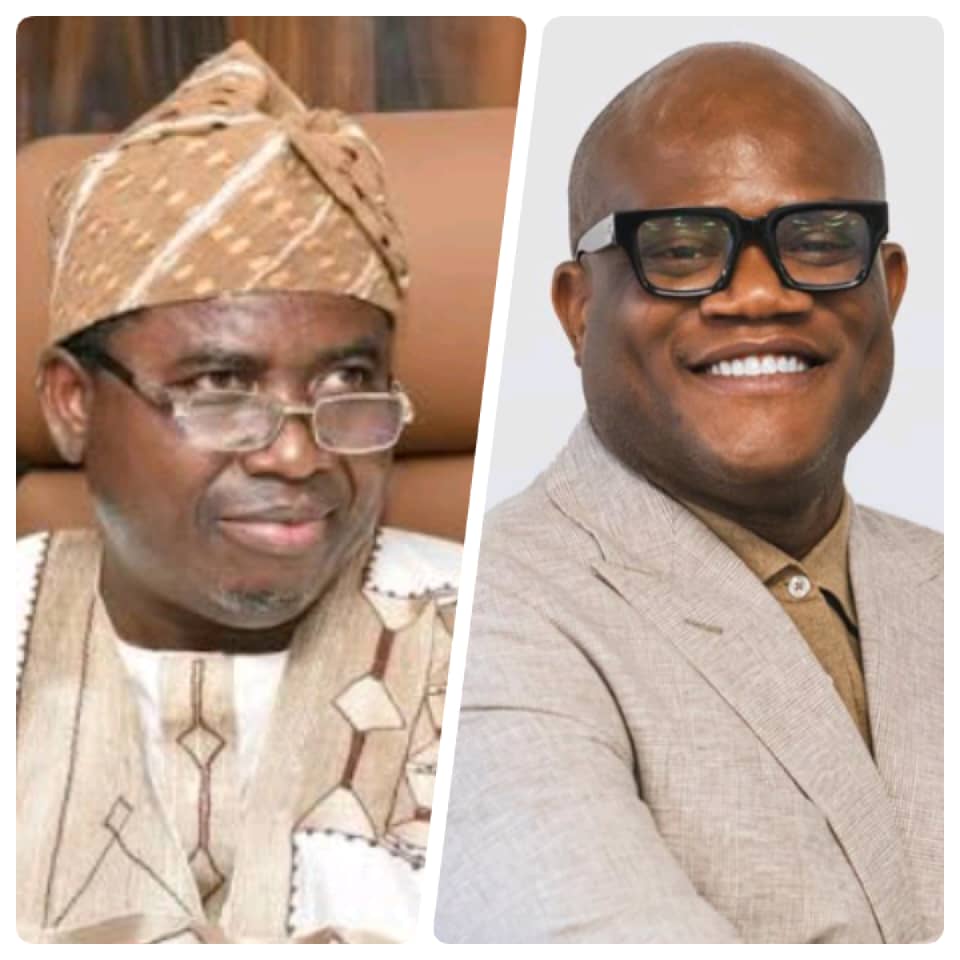
A public affairs analyst, Sir Victor Walsh Oluwafemi, has cautioned against growing calls for the resignation of the Chairman of the Independent National Electoral Commission (INEC), Joash Amupitan, warning that such demands could undermine democratic stability if not grounded in due process.
In a statement he personally signed, Oluwafemi stressed the need for restraint, responsible public discourse, and adherence to constitutional procedures in addressing allegations against public office holders.
While acknowledging that accountability is fundamental to democracy, he questioned the basis and timing of the calls for resignation, urging stakeholders to determine whether such demands are supported by verifiable evidence or driven by political pressure.
He referenced positions taken by the African Democratic Congress and the Supreme Council for Shari’ah in Nigeria, cautioning that public agitation should not replace constitutional mechanisms for addressing grievances.
Oluwafemi emphasised that Nigeria’s legal framework clearly outlines the process for removing an INEC chairman, noting that such action cannot be determined by public sentiment or media campaigns but must follow established judicial and constitutional procedures.
“At this stage, restraint is not only advisable but essential. In every serious democracy, accusation must travel through the courts, not through microphones,” he stated.

He also expressed concern over what he described as rising levels of inflammatory rhetoric across media platforms, warning that unguarded statements could heighten political tensions and erode public trust in institutions.
Citing past electoral experiences, Oluwafemi noted that election-related violence has often been fuelled by premature delegitimisation of institutions and reckless public commentary.
“Words, when recklessly deployed in a fragile political climate, can become triggers rather than expressions,” he warned.
He urged political actors, civil society groups, and media commentators to exercise discipline and responsibility in their engagements, adding that freedom of expression must not be used to weaken institutional credibility.
According to him, his position is not a defence of any individual but a call to uphold due process, rule of law, and democratic order.
Oluwafemi maintained that where credible allegations exist, they should be tested through lawful channels, stressing that premature calls for resignation risk setting a dangerous precedent.
“A nation does not strengthen its democracy by removing officials through pressure, but by upholding the systems designed to hold them accountable,” he said.