
International
Over 82,000 migrants lost since 2014 as dangerous routes continue to shift

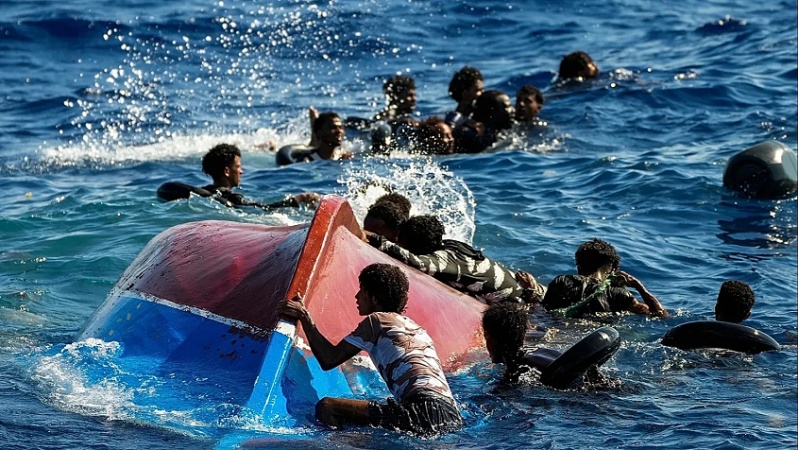
No fewer than 8,000 migrants were reported dead or missing across the world in 2025, pushing the total number since 2014 to over 82,000, according to new data released on Tuesday by the International Organisation for Migration (IOM).
The figures also indicate that at least 340,000 family members have been directly affected. Although arrivals have declined in some regions, migration routes are not easing but rather shifting, with risks remaining high as journeys become increasingly dangerous.
The data comes from IOM’s Displacement Tracking Matrix (DTM) Global Overview of Migration Routes and new analysis from the Missing Migrants Project (MMP).
DTM monitors movements, evolving routes and conditions along migration corridors through field tracking and government data, while MMP records migrant deaths and disappearances using official sources, media reports and information from IOM missions worldwide.
Together, the reports highlight how factors at migrants’ places of origin, as well as policy changes along transit routes, are reshaping migration journeys, even as the human toll of unsafe migration continues to rise.
“Routes are shifting in response to conflict, climate pressures and policy changes, but the risks are still very real,” said IOM Director-General Amy Pope.
“Behind these numbers are people taking dangerous journeys and families left waiting for news that may never come. Data is critical to understanding these routes and designing interventions that can reduce risks, save lives and promote safer migration pathways.”
The 2025 Global Overview of Migration Routes shows that lower arrival figures in some regions do not necessarily mean reduced migration pressure. Instead, journeys are changing due to stricter enforcement measures, evolving conflicts and environmental challenges.
In the Americas, northbound migration along the Central American route dropped significantly compared to 2024. In Europe, overall arrivals declined, but migration patterns shifted, with Bangladeshi nationals becoming the largest group of arrivals while Syrian numbers fell due to political and policy developments.
In the Horn of Africa, movements towards Saudi Arabia declined slightly from 2024 levels but remained higher than in 2023. Meanwhile, migration from East Africa towards Southern Africa increased later in the year, influenced by changing labour demands in southern Ethiopia.
Along the West African Atlantic route, arrivals to the Canary Islands decreased sharply following strengthened border cooperation. However, journeys along this route have become longer, more dangerous and more dispersed geographically.
Across all regions, DTM data shows continued pressure along migration routes. Thousands of migrants were stranded in border areas with limited access to shelter, healthcare and protection. At the same time, increased returns and relocations have placed additional strain on local services and complicated reintegration efforts.
The findings emphasise that shifting migration routes do not translate into reduced harm. As journeys become more fragmented and hazardous, deaths, disappearances and the suffering of affected families remain widespread.
The reports reflect IOM’s route-based approach, combining mobility tracking with risk and fatality analysis to better guide interventions, prioritise resources and support governments along key migration corridors.
Ahead of the International Migration Review Forum scheduled for May, IOM is urging renewed global commitment to protecting migrants, preventing deaths and disappearances, and supporting families impacted by migration tragedies.
According to the organisation, the evidence is clear: fewer movements do not automatically mean safer journeys, and saving lives will require stronger international cooperation and sustained investment in evidence-based solutions.