International
Royal Diplomacy Rises: King Misuzulu kaZwelithini, King Bulelani Lobengula Khumalo Lead New Push for African Unity

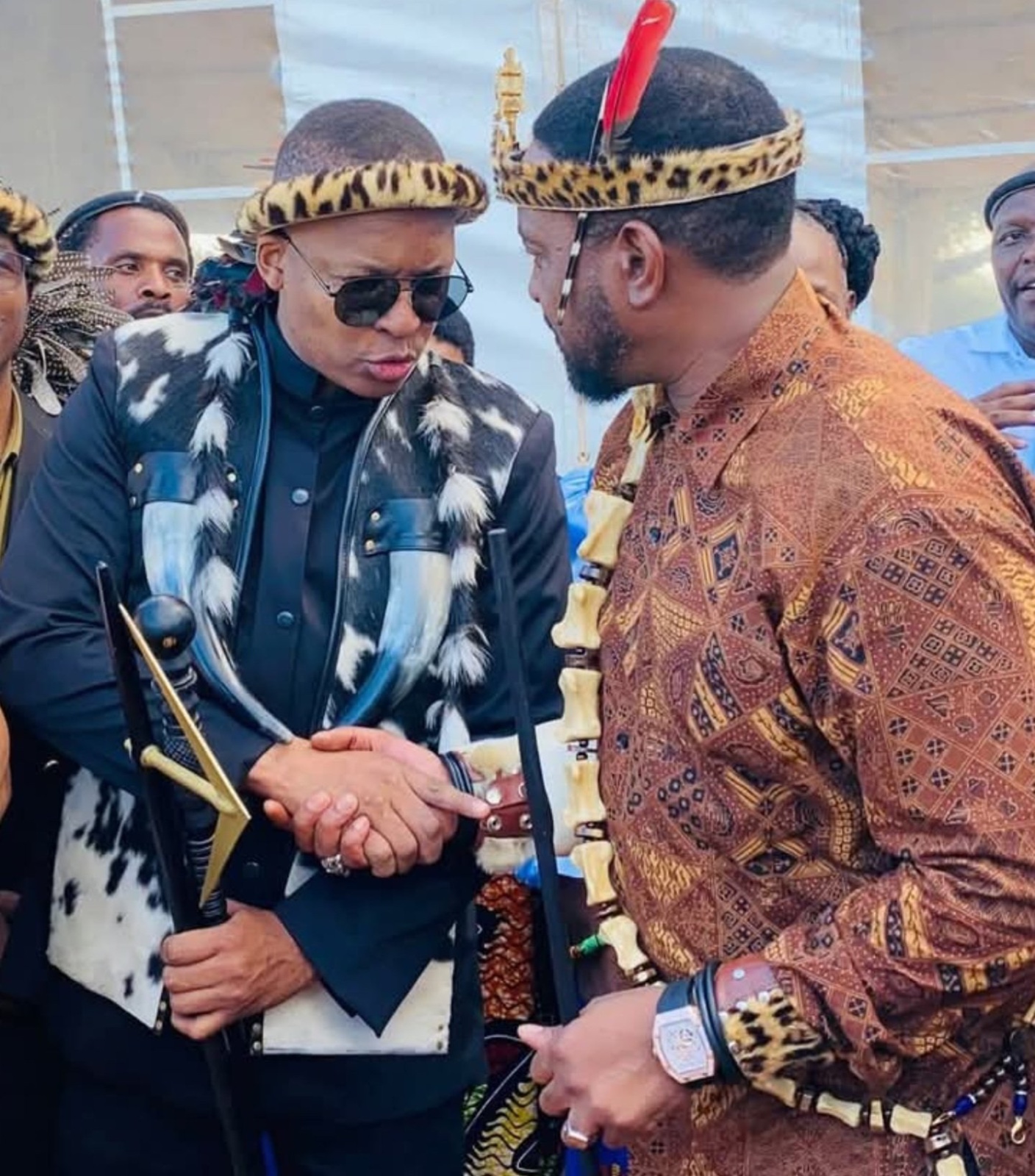
A renewed wave of “royal diplomacy” is emerging in Africa as King Misuzulu kaZwelithini of South Africa and King Bulelani Lobengula Khumalo of Zimbabwe forge a historic alliance aimed at strengthening unity across the continent.
The meeting, described by the United Africa Royal Assembly as a landmark engagement, marks the reconnection of two kingdoms whose shared history dates back over two centuries.
Their separation traces to the era of King Shaka Zulu and King Mzilikazi kaMashobane, when migrations led to the establishment of the Ndebele Kingdom in present-day Zimbabwe.
In a press release signed by Prince Estifanos Matewos, the Assembly described the reunion as a deliberate step toward restoring ancestral ties and confronting divisions created by colonial borders, stressing that many African communities remain interconnected despite modern state boundaries.
According to Prince Matewos, the engagement aligns with broader efforts to address the fragmentation of African societies and promote unity rooted in shared heritage.
He noted that many communities across Southern Africa remain deeply linked by ancestry and culture, even as political borders continue to separate them.
The Assembly also pointed to past tensions, including xenophobic incidents in South Africa affecting Zimbabweans, as evidence of the urgent need for cultural reorientation and deeper historical awareness among African populations.
Observers say the involvement of traditional rulers in cross-border engagement reflects a growing trend in which monarchs are reclaiming influence in shaping social and diplomatic narratives.
Unlike elected governments, traditional institutions are often seen as enduring and culturally grounded, giving them unique leverage in promoting reconciliation.
The initiative also complements the African Union’s Agenda 2063 vision of a unified and prosperous continent. Yet, the Assembly stressed that such goals cannot rely solely on political institutions, calling for greater participation from citizens and traditional authorities to drive meaningful integration.
As Africa continues to grapple with divisions rooted in history and geography, the renewed ties between the Zulu and Ndebele monarchs signal a potential turning point—one where unity is pursued not only through policy, but through shared heritage and indigenous systems of leadership.