
Uncategorized
UN Women rallies traditional, religious leaders to boost male participation in maternal healthcare services in Benue.

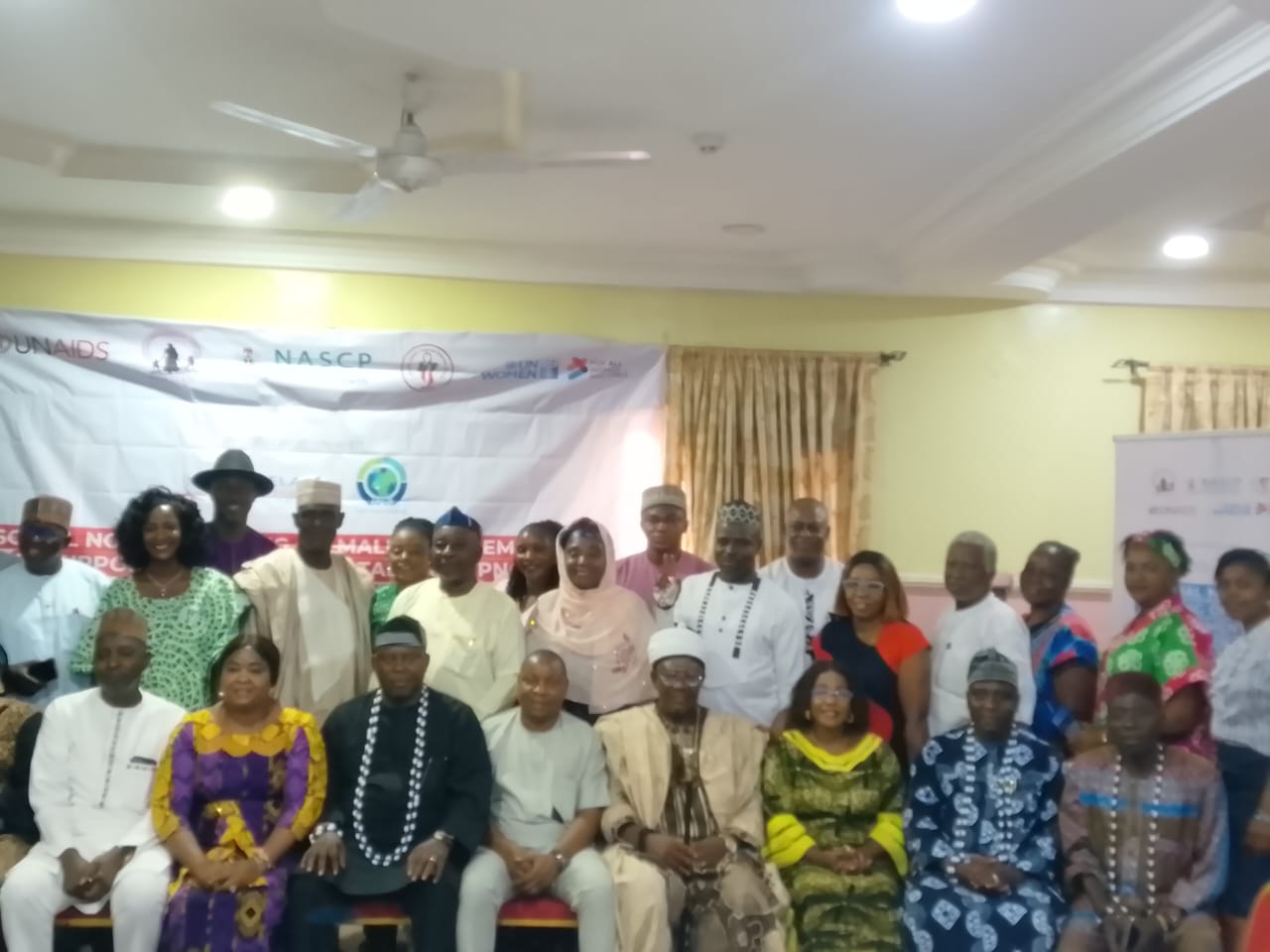
From Dooshima Terkura, Makurdi
The United Nations Women (UN Women) has urged traditional rulers, religious leaders and community stakeholders to take decisive steps towards addressing the low level of male involvement in maternal and child healthcare services in Nigeria.
The organisation warned that inadequate support from men could put the lives of women and children at risk.
Speaking during a two-day Social Norms Training for Traditional, Religious and Community Leaders on promoting Male Engagement in Antenatal Care (ANC), Postnatal Care (PNC), and Prevention of Mother-To-Child Transmission (PMTCT) in Makurdi, the Country Representative of UN Women to Nigeria and ECOWAS, Beatrice Eyong, stated that community leaders play a critical role in changing harmful social norms that discourage men from supporting their wives during pregnancy and childbirth.
Eyong, who was represented by the Acting Deputy Representative of UN Women, Mrs. Patience Ekeoba, disclosed that findings from a recent UN Women study revealed extremely low male participation in maternal healthcare services across the country.
According to the findings, only 3.4 percent of men accompany their spouses to antenatal and postnatal clinic visits, while only 3.3 percent attend more than two antenatal sessions with their wives. The study further showed that overall male partner involvement stood at 13.8 percent, with an average Male Involvement Index of 19.8 percent.
She described the situation as worrisome, noting that cultural beliefs, gender stereotypes, misinformation, stigma and lack of family support continue to prevent many women from accessing proper maternal healthcare services.
Eyong observed that many pregnant women still register late for antenatal care, give birth outside healthcare facilities or fail to receive postnatal care, thereby increasing maternal and infant illnesses, preventable deaths and the risk of HIV transmission from mothers to children.
According to her, lasting progress in maternal and child healthcare cannot be achieved by the health sector alone, stressing that traditional institutions, religious bodies and community structures must actively participate in changing attitudes and behaviours.
“When traditional rulers encourage families to support pregnant women, when religious leaders use their platforms to promote healthy practices, and when community leaders champion inclusion and male involvement, communities become safer and healthier for mothers and children,” she said.
She explained that the training was designed to equip participants with the knowledge and skills needed to promote positive social norms, encourage early antenatal attendance, support postnatal care services and strengthen PMTCT interventions within their communities.
Eyong further stressed that messages delivered in palaces, churches, mosques, women meetings, youth gatherings and family circles often have greater impact than formal public enlightenment campaigns, urging participants to use their influence to advocate healthier families and gender equity.
In separate remarks, representatives of religious and traditional institutions, including the Ter Makurdi, Chief Vincent Aule, the representative of the Christian Association of Nigeria (CAN), Rev. Jesse Tsekeh, Chairman of Jama’atu Nasril Islam (JNI) Benue State, Mallam Ahmed Baba and the Sarkin Hausawa of Makurdi, Imam Sani Yusuf, commended UN Women and its partners for organising the training.
Represented by Chief Justin Terser, the Ter Makurdi noted that many pregnant women in rural communities do not attend antenatal clinics and are often unaware of their health conditions. He pledged the support of traditional institutions in taking the campaign to the grassroots.
Also speaking, the Benue State Commissioner for Women Affairs and Social Welfare, Mrs. Theresa Ikwue, assured that the ministry would continue to collaborate with UN Women, civil society groups and community women to improve male participation in maternal and child healthcare services, especially in ANC and PNC services.
Representative of the National Action Committee on AIDS (NACA), Kasali Abiola, described the initiative as “a sensitive innovation,” stressing that the wellbeing of women and children is essential to national development. He acknowledged the low level of male involvement in ANC and PNC services and expressed optimism that the programme would improve support for pregnant women.
The programme was sponsored by UN Women in partnership with the Nigeria Network of Religious Leaders Living with or Personally Affected by HIV/AIDS (NINERELA+).
Executive Secretary of NINERELA+, Amber Itohan, explained that the organisation deliberately engaged traditional and religious leaders because of their strong influence on public opinion and social behaviour. She added that participants were expected to replicate the training in their various communities, especially on issues relating to Sexual and Gender-Based Violence (SGBV) and male involvement in maternal healthcare services.
A Deputy Director of the National HIV/AIDS Programme at the Federal Ministry of Health, Mrs. Stella Ekeh, stated that the Federal Government has consistently advocated greater involvement of men in supporting their wives during pregnancy and after childbirth. She called on UN Women to extend the initiative to other states and urged participants to spread the message among men and boys in their communities.