Uncategorized
TCN, ONSA, NSCDC Intensify Crackdown on Power Infrastructure Vandalism

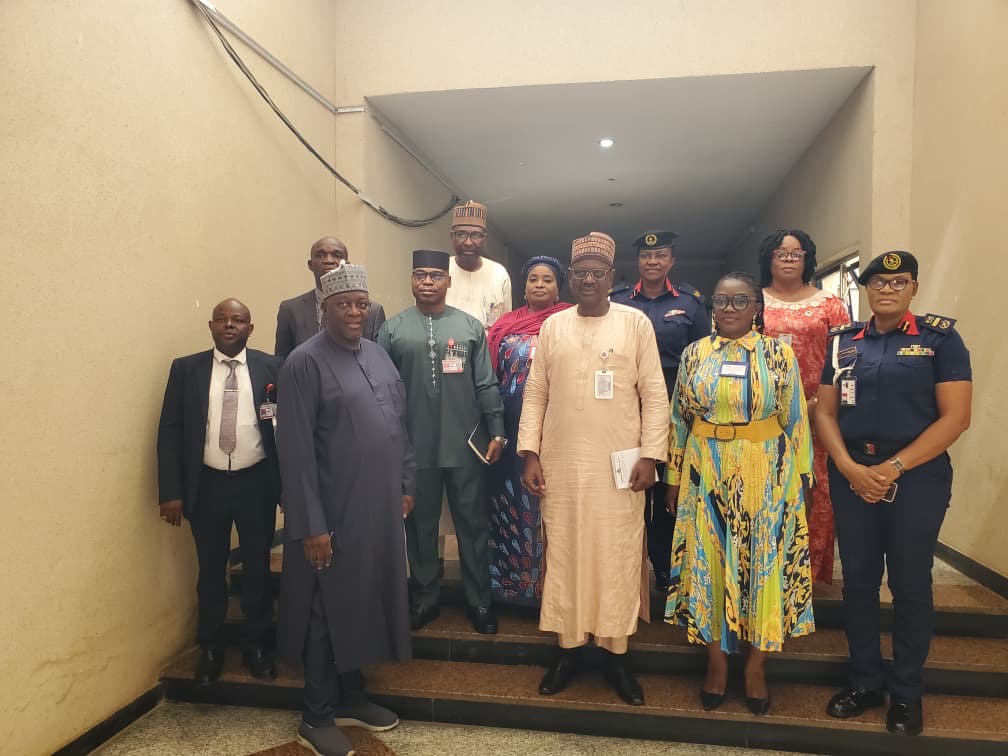
The Transmission Company of Nigeria has strengthened its partnership with the Office of the National Security Adviser and the Nigeria Security and Civil Defence Corps in a renewed effort to tackle the persistent vandalism of electricity transmission infrastructure across the country.




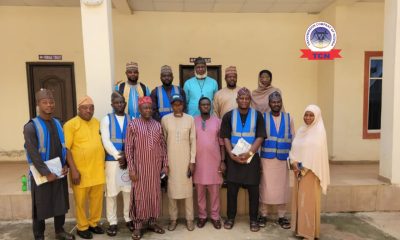
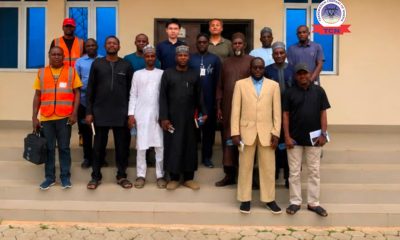
The commitment was reaffirmed during a high-level strategic meeting held at TCN’s corporate headquarters in Abuja, where officials from the three institutions agreed to deepen collaboration through intelligence sharing, coordinated security operations and the deployment of technology-driven surveillance systems to safeguard critical national assets.

Speaking at the meeting, Managing Director and Chief Executive Officer of TCN, Sule Ahmed Abdulaziz, described the destruction of transmission facilities as a major threat to the stability of Nigeria’s power sector and a significant financial burden on the company.
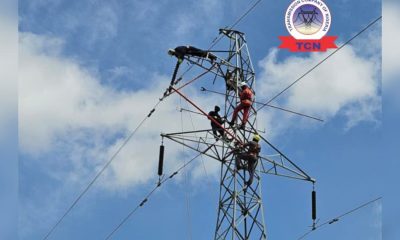
He noted that vandalism continues to undermine efforts to improve electricity supply, citing recent attacks on six transmission towers along the Apir–Makurdi transmission line and the destruction of 14 spans of conductors on the Lambata 132kV transmission line.
According to him, TCN was forced to mobilise contractors for emergency repairs despite prevailing financial constraints, only for vandals to strike again while restoration work was ongoing.
“The recurring attacks on transmission infrastructure highlight the urgent need for stronger security measures and enhanced collaboration among all stakeholders responsible for protecting critical national assets,” Abdulaziz said.
He stressed that sustained inter-agency cooperation, prompt response mechanisms, intelligence sharing and effective law enforcement remain essential in curbing vandalism and sabotage.
The TCN boss also disclosed that the company has intensified community sensitisation campaigns across the country, engaging traditional rulers, host communities and security agencies to encourage collective ownership and protection of transmission facilities.
Given the vast spread of the national transmission network, Abdulaziz called for the establishment of a joint monitoring centre and the deployment of advanced surveillance technology to enable real-time monitoring of transmission assets and rapid response to security threats.
Representing the Office of the National Security Adviser, Deputy Commandant of the Nigerian Army Intelligence Programme, E. E. Effiom, advocated a comprehensive three-tier infrastructure protection strategy centred on delay, awareness and response.
He explained that physical barriers should be deployed to slow down intruders, while surveillance technologies should be utilised to detect threats early and support rapid intervention by security personnel.
Effiom emphasised that effective protection of critical infrastructure requires a combination of technology, intelligence and swift law enforcement action, noting that community vigilantes can only be effective when supported by timely intelligence and modern security tools.
Also speaking, Assistant Commandant General in charge of Power at the NSCDC, Akinlade Esther O, reaffirmed the Corps’ commitment to protecting power infrastructure nationwide.
She assured TCN that NSCDC commands across the federation remain prepared to respond promptly to incidents of vandalism and to work closely with the company to ensure offenders are apprehended and prosecuted.
The meeting ended with a renewed pledge by TCN, ONSA and the NSCDC to strengthen institutional collaboration through regular stakeholder engagement, intelligence sharing and coordinated security operations aimed at protecting the nation’s transmission network.
The stakeholders expressed confidence that sustained cooperation among security agencies and the power sector would significantly reduce incidents of vandalism and contribute to a more reliable and resilient national electricity grid.