
Special Report
WATER-TIGHT SWALLOW (TUWON RUWA)

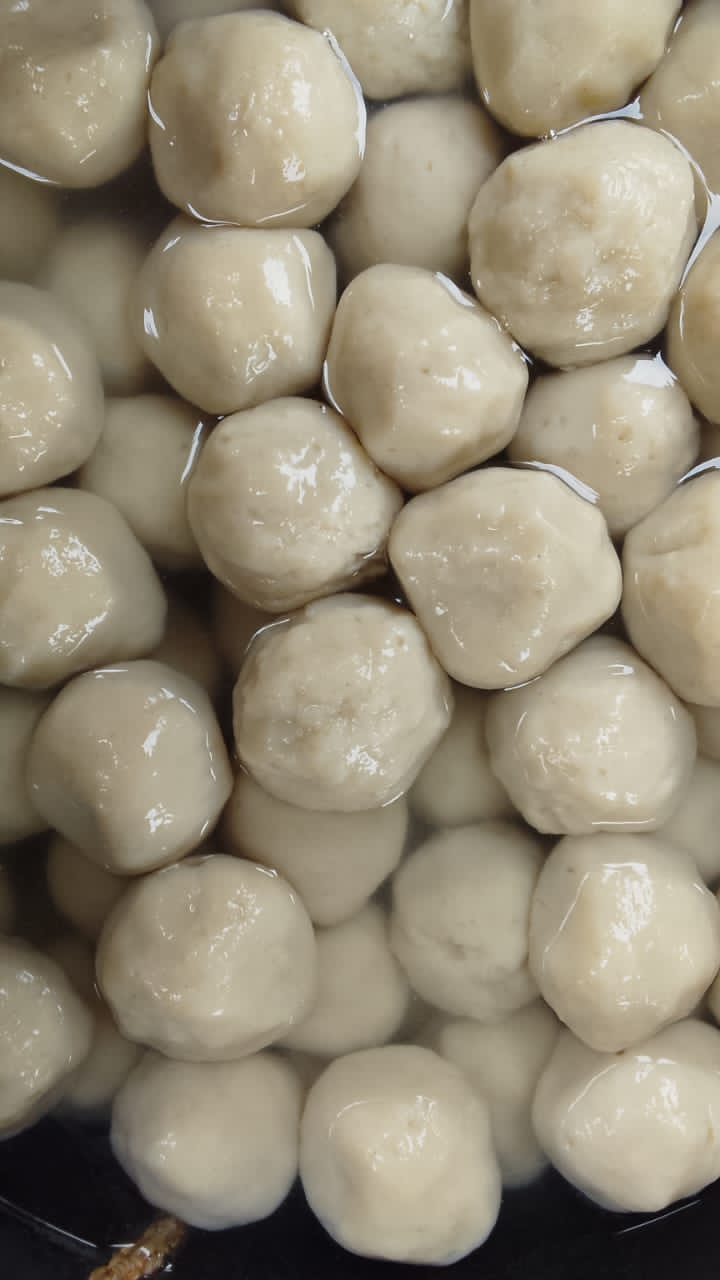
By Aliyu Abdullahi Dankama
A brand of takeaway and edible food found in three states in Nigeria.
To an ordinary Nigerian who patronises the roadside restaurant, also known as a “Bukka,” swallow usually refers to Semovita, Garri, “Akpu” or “Amala,” served with assorted vegetable stew, Okro, Egusi, “Ewedu” and other soups that provide energy for hours.

However, many people do not know much about a readily available substitute for the highly priced plate of food, known as the water-tight swallow, called “Tuwon Ruwa” in Hausa. A pack could feed an average family of six as an evening meal at a cost of less than three thousand Naira.
Produced from millet or sorghum, which is also known for making Fura da Nono, and other forms of Pap, “Koko” or “Akamu,” the same ingredients are used in making the water-tight swallow known as Tuwon Ruwa.
After treating the millet and keeping it overnight, it is then ground for the Tuwon Ruwa.

It is then rolled into tennis-ball-sized portions. After that, it is left in a water-tight container for days or as long as one needs to keep it.
The interesting thing here is that instead of being kept in a food flask or refrigerator, Tuwon Ruwa is left inside water, and the water has to be changed daily or intermittently.
When satisfied with the texture and flavour, Tuwon Ruwa is then served with any soup the family chooses.
This delicacy is wrapped in catering leaves like “Agidi” or “Kafa.” It is common in parts of Kogi, Kwara, Niger and Nasarawa states.
In Sokoto and Zamfara states, it is known as “Bula” (Vula), the same name used in neighbouring communities of Maradi in the Niger Republic.
When contacted on the nutritional value of Tuwon Ruwa, a Katsina-based nutritionist said it is a healthy food and also diabetic-friendly.
Write-up:by Aliyu Abdullahi Dankama