General News
Enikanolaiye: Nigeria’s Global Image Begins With Governance At Grassroots

The Minister of State for Foreign Affairs, Ambassador Sola Enikanolaiye, has said Nigeria’s foreign policy and global image are inseparable from the quality of governance and development delivered at the grassroots.
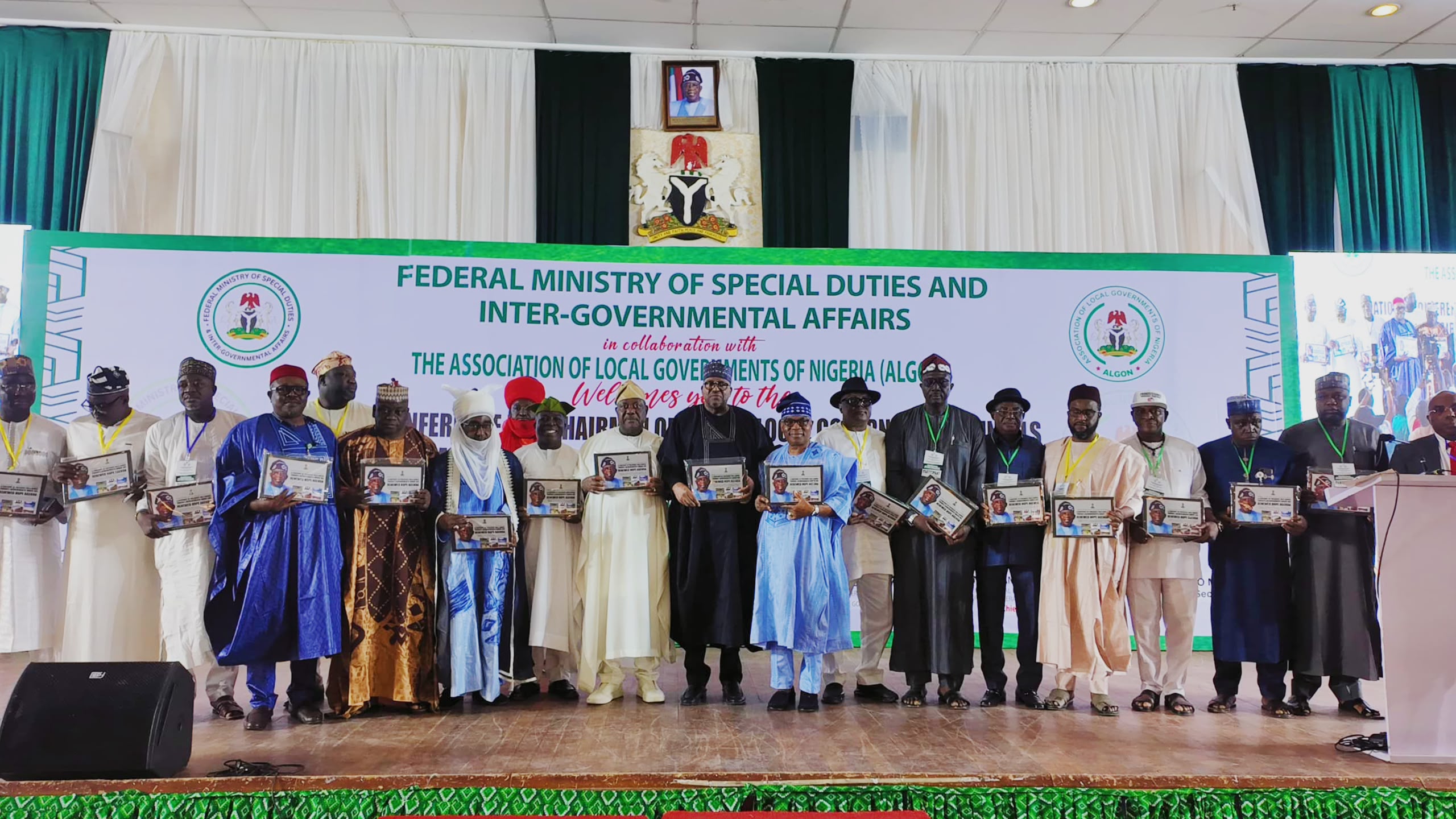
Enikanolaiye made the assertion on Tuesday in Abuja at the maiden 2026 National Conference of the 774 Local Government Chairmen and Chairmen of Traditional Rulers’ Councils.
The conference, held at the State House Banquet Hall, was convened by the Federal Ministry of Special Duties and Inter-Governmental Affairs and themed, “Cascading President Bola Ahmed Tinubu’s Renewed Hope Agenda to the Grassroots.”

The minister said the activities of government at the local level have consequences for Nigeria’s international relations, arguing that foreign policy is, in part, a reflection of domestic governance.
“For us in the Ministry of Foreign Affairs, we believe that every aspect of our government policy at home has implications for foreign policy and Nigeria’s international relations,” he said.
According to Enikanolaiye, grassroots mobilisation and development should therefore be treated as strategic national priorities because they influence Nigeria’s capacity to attract investment, engage its diaspora and project its interests abroad.
He called for inclusive governance that moves from the grassroots upward, rather than a system driven solely from the centre.
The minister also recognised the role of traditional rulers in governance, describing them as important institutions for community engagement, stability and national development.
He commended President Bola Ahmed Tinubu for approving the conference and for recognising the roles of local governments and traditional rulers in the ongoing constitutional amendment process.
Speaking within the framework of the President’s 4-D foreign policy doctrine of Democracy, Development, Demography and Diaspora, Enikanolaiye said the Renewed Hope Agenda would ultimately be judged by its impact on Nigerians at the local level.
On demography, he described the youth population spread across Nigeria’s 774 local government areas as a major national resource, saying investment in young people could transform the country’s population into economic strength.
On development, the minister said the Federal Government’s ambition of building a $1 trillion economy could not be achieved without productive local economies.
He pointed to agriculture, Nigeria’s mineral resources and major infrastructure projects, including the Lagos-Calabar and Sokoto-Badagry highways, as opportunities for economic expansion and foreign investment.
Enikanolaiye said grassroots stability was essential to creating an environment capable of attracting and retaining foreign direct investment.
On democracy, he said stronger local governments and effective engagement with traditional institutions would deepen bottom-up participation in governance.
He also linked conditions at home to Nigeria’s diaspora relations, saying a secure and economically productive country would encourage Nigerians abroad to invest and promote a positive image of the country.
The minister disclosed that the Ministry of Foreign Affairs would support grassroots economic development through investment matchmaking using Nigeria’s 110 diplomatic missions abroad, partnerships with international partners and the use of traditional institutions to provide community-level intelligence relevant to national security.
Also speaking, the Head of the Civil Service of the Federation, Mr Olumuyiwa Enitan Abel, represented by Dr Vitalis Obi, described local governments as the level of